
Last updated November 24, 2026
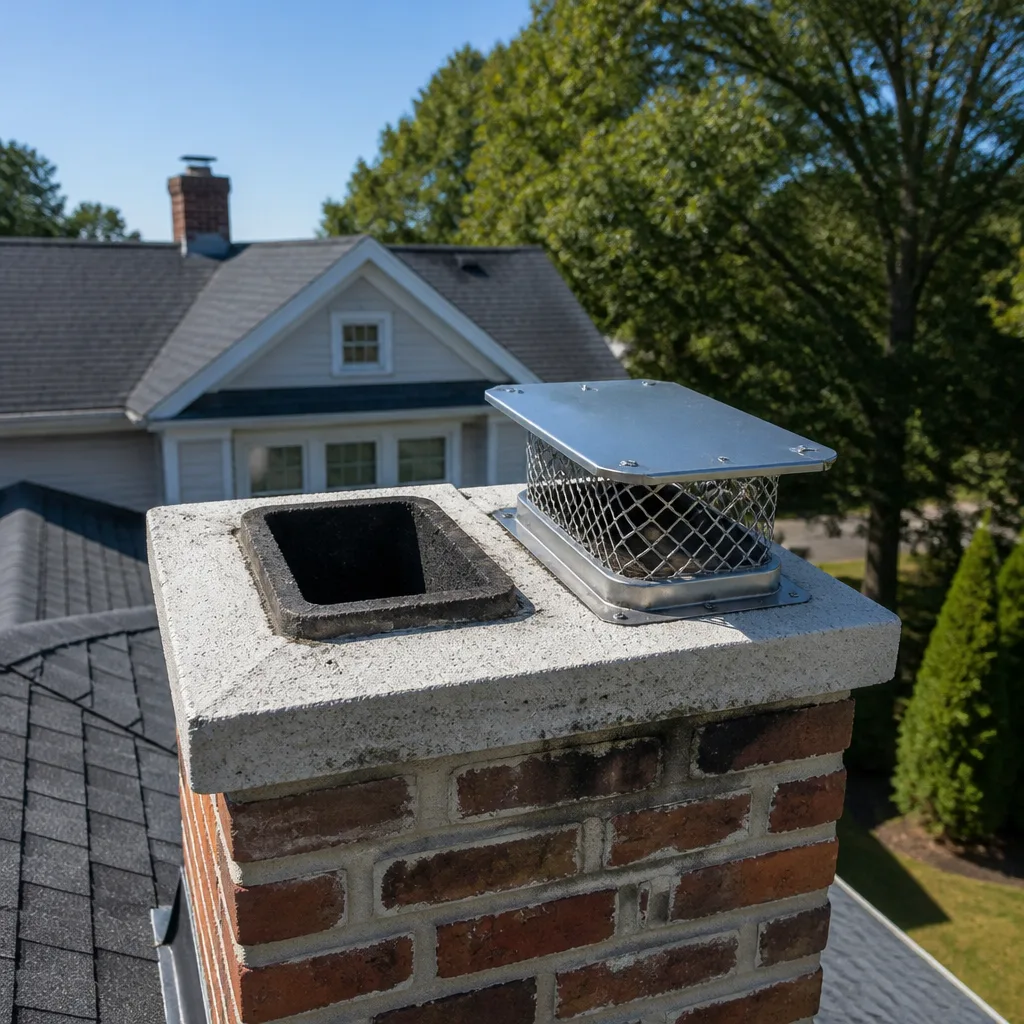 Sweep & inspection
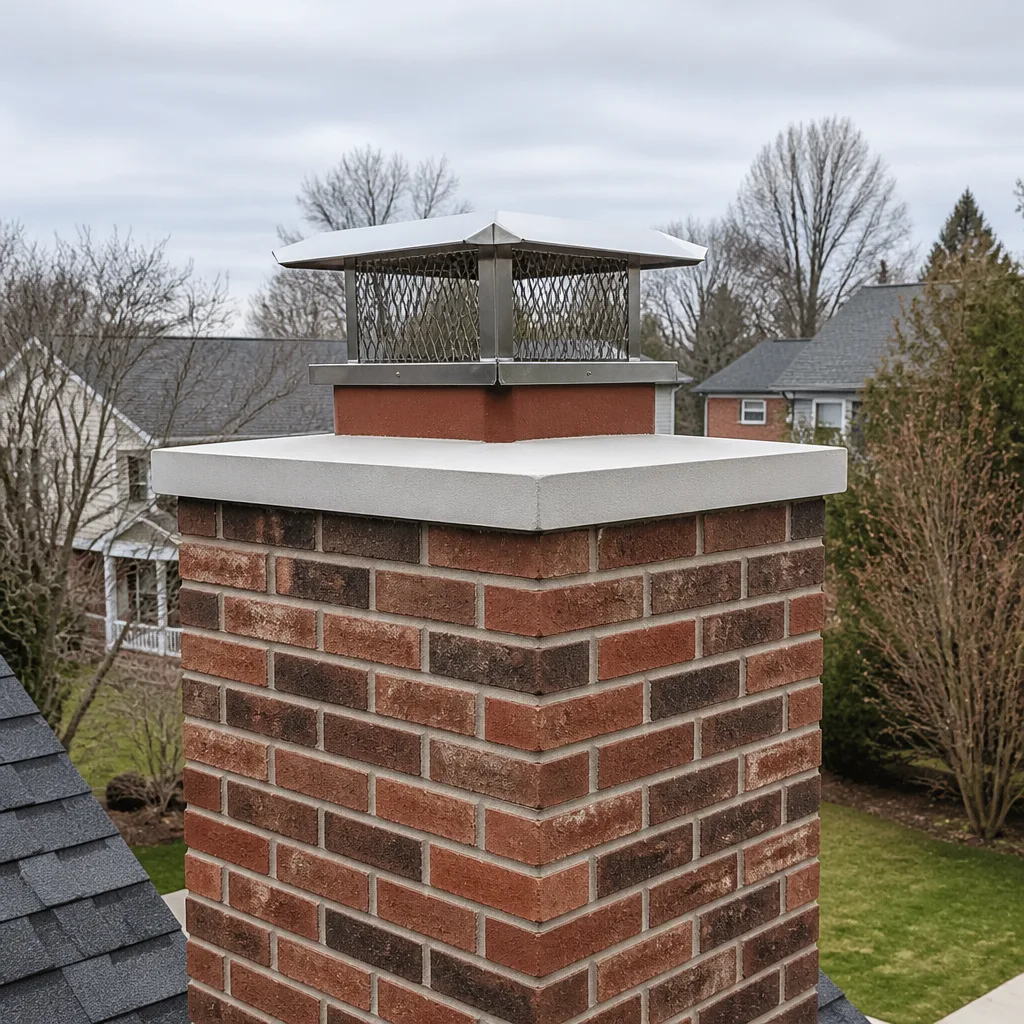 Caps & crowns
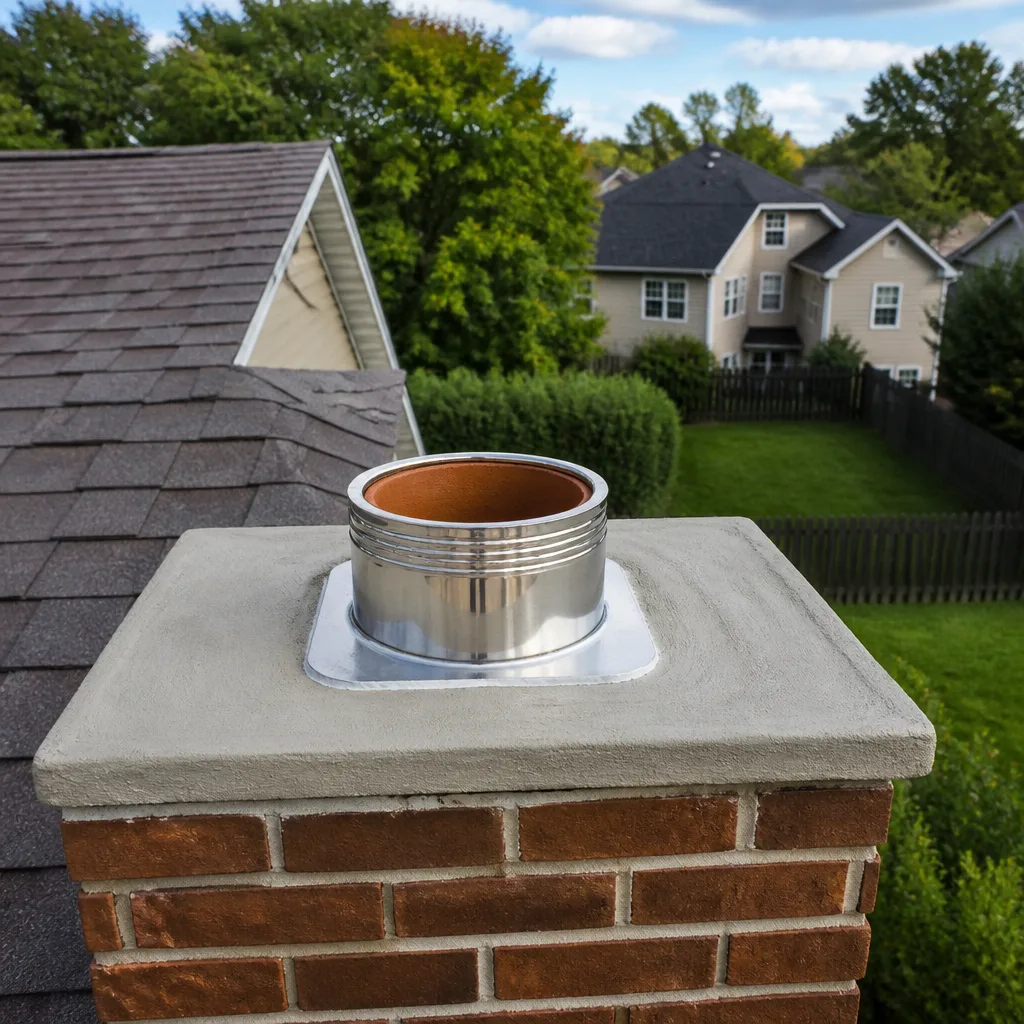 Flue relining
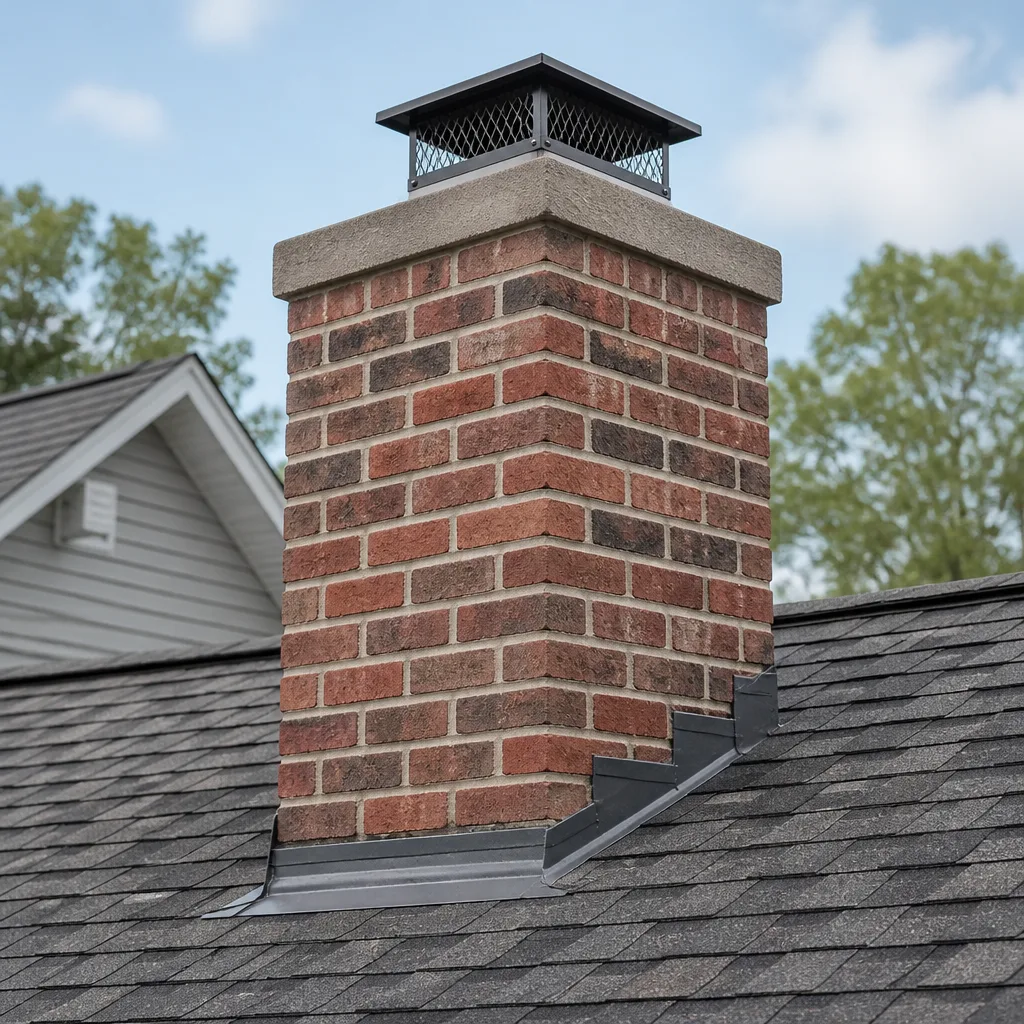 Masonry repair
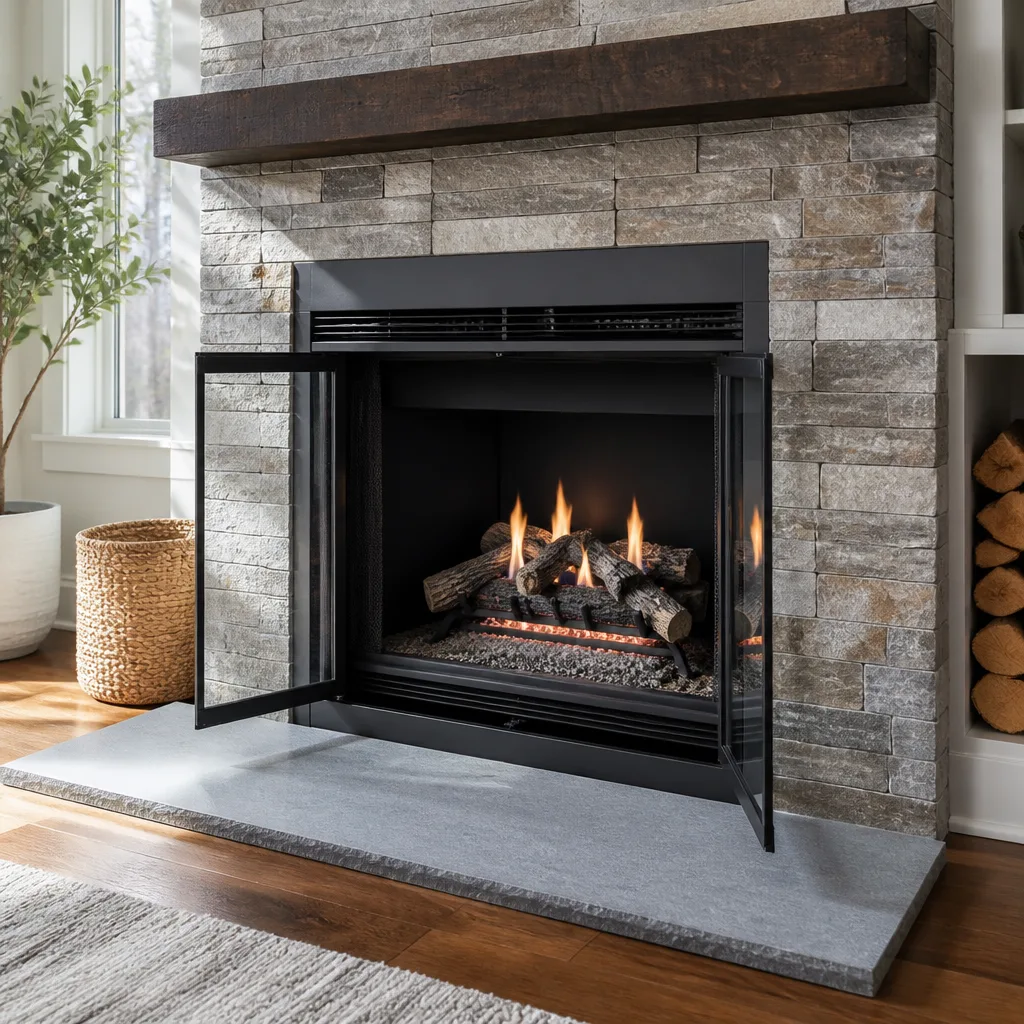 Gas fireplace service
Level 1 sweep and inspection to the NFPA 211 annual standard - flue, crown, cap, and flashing checked and photographed
Chimney sweep logs do not sweep chimneys. They loosen some creosote - which then falls where a brush and vacuum still have to collect it.
Seasonal Chimney Cleaning Care for Draper: Year-Round Homeowner’s Guide
Most homeowners in Draper think about their chimney twice: once when the first cold snap hits, and once when they notice something wrong. That schedule misses the season that actually does the most damage. Late March through April, when the burning season ends and attention moves to the yard and the garden, freeze-thaw cycling is working on crowns, flashing and mortar joints. By the time you notice a stain on the ceiling in October, the opening was made months earlier. This guide maps chimney care to four genuinely distinct stress periods in Draper’s climate, so each task lands in the season where it actually protects the system. You’ll learn what to check, when to book it, and which problems can safely wait.
Quick Answer
Seasonal chimney care in Draper means four separate maintenance windows rather than one annual sweep: a pre-season sweep and cap check in September and October, mid-season monitoring through the winter burn, a structural inspection in March and April when freeze-thaw damage peaks, and cap installation plus wildlife checks in summer. Sweeping removes creosote; the other three seasons protect the chimney itself. Both matter, and they fail in different ways.
Styles & brands we work with
- Sweep & inspection
- Caps & crowns
- Flue relining
- Masonry repair
- Gas fireplace service
Table of Contents
- Why Draper’s Climate Creates Four Chimney Seasons, Not Two
- Fall (September – October): The Pre-Season Window
- Winter (November – February): Reading the Mid-Season Signals
- Spring (March – May): The Freeze-Thaw Damage Window
- Summer (June – August): Caps, Screens and Nesting Season
- How Elevation and Temperature Swing Affect Mortar and Crowns
- The Year-Round Calendar at a Glance
- Common Mistakes to Avoid
Why Draper’s Climate Creates Four Chimney Seasons, Not Two
Most chimney advice is written as if the year has two halves: burning season and off season. That works in mild climates. It doesn’t describe what happens to a chimney along the east bench of the Salt Lake Valley, where Draper sits at elevation against the Wasatch foothills.
Four distinct stress periods hit a chimney in this city, and each one attacks a different part of the system:
- Fall is a preparation window. Creosote accumulated last season is still in the flue, the cap and screen have taken a year of weather, and the damper may not have moved since March.
- Winter is the working season. Heat, moisture and repeated fire cycles stress the flue from the inside while freezing temperatures work the exterior.
- Spring is the damage window. Water that got into masonry over the winter freezes and thaws repeatedly as daytime and nighttime temperatures cross the freezing line, and that cycling is what opens cracks.
- Summer is the intrusion window. An uncapped flue is an open chimney, and birds and squirrels treat it as real estate.
Treating chimney care as a single annual event means two of those four windows pass unattended every year. A sweep in October handles the creosote. It does nothing about a crown that’s been absorbing meltwater since February.
We say “inspection first, recommendations second” because the calendar only tells you when to look. What you find in Draper is what determines whether anything needs doing. A standalone inspection tells you the honest condition of the system, without being bundled into a cleaning upsell.
Fall (September – October): The Pre-Season Window
September and October are the right months to book a chimney sweep in Draper, before the first sustained burn and before the pre-season calendar fills. Sweeping removes the creosote load left from last winter, and it gives you a look at the flue while there’s still time to fix whatever a fire would expose.
Fall maintenance is the one window where a single visit handles most of the checklist:
- Sweep the flue. Creosote from last season is sitting in the flue whether or not you burned heavily. Sweeping before the first fire means the season starts from a clean baseline.
- Test the damper. Open and close it fully. A damper that sticks, drops or won’t seal is a draft and efficiency problem you want to find in October, not on the first cold night.
- Check the cap and spark screen. A cracked cap or a screen with a hole lets water and animals in. Both get worse over the winter.
- Look at the firebox. Cracked firebrick and loose mortar at the firebox affect how the fire burns and how much heat reaches the surrounding structure. fireplace repair at this stage is usually minor; left through a winter, it usually isn’t.
- Confirm your carbon monoxide detector. Test the unit and check the batteries before you start burning, not after.
If you’ve recently bought a home in Draper, or you’ve inherited one and don’t know the service history, fall is when a standalone inspection earns its place on the list. Nobody can tell you what the flue looks like from the ground, and the previous owner’s memory of the last sweep is not evidence.
Winter (November – February): Reading the Mid-Season Signals
Winter is when the chimney does its actual job, and it’s when you should be paying attention to how it’s performing rather than booking another sweep on a fixed date. Your burning habits change during the season. The right question is whether the creosote load has built up enough to justify a second cleaning before spring.
These indicators suggest your burning frequency warrants an additional sweep mid-season:
- A visible glaze or shiny, tar-like deposit inside the flue when you look up from the firebox.
- Heavy, frequent burning, especially with unseasoned or green wood. Wet wood produces more smoke and more creosote per fire.
- Smoke rolling back into the room instead of going up the flue. That’s a draft problem, and a partially blocked flue is one common cause.
- A strong, sharp creosote smell in the room on warmer days when the fireplace isn’t burning.
- Persistent burning smells or a draft you can’t account for. Have it looked at rather than waiting for spring.
Carbon monoxide detector placement deserves a specific note. A CO detector belongs on each level of the home and near sleeping areas, and the National Fire Protection Association also advises keeping one in any room where a fuel-burning appliance is installed. If your only detector is in a hallway on the other end of the house from the fireplace, the coverage is thinner than it looks.
Safety is the reason to take this season seriously. Creosote is a real fire hazard, and a blocked or damaged flue can push combustion gases back into the living space. We’re not going to tell you how to inspect your own flue from the inside, because that’s work for a trained professional. What we’ll say is that a professional evaluation is the only reliable way to know what’s in there.
If something changes mid-winter, a second Chimney Sweep Draper visit is not a wasted booking. It’s a baseline reset before the heavy part of the season.
Spring (March – May): The Freeze-Thaw Damage Window
Late March through April is when Draper chimneys take the most structural damage of the year, and it’s also when most homeowners stop thinking about the fireplace entirely. That combination is what makes spring the season that matters most and gets the least attention.
Freeze-thaw cycling is the mechanism. Across late winter and early spring, daytime temperatures rise above freezing and nighttime temperatures drop back below it, repeatedly, sometimes over the course of a single day. Water that has found its way into masonry, mortar joints or a hairline crown crack expands when it freezes and contracts when it thaws. Each cycle widens the opening a little further. By summer, a crack that started as a hairline can admit real water.
Spring inspection targets the exterior components that hold water out:
- The crown. The concrete cap on top of the chimney sheds water away from the flue. Cracks in the crown are the most common way water gets in.
- Flashing. The metal seal where the chimney meets the roof. Flashing failures show up as stains on the ceiling, usually far from the chimney itself.
- Mortar joints on the exterior stack. Recessed or crumbling joints let water in and weaken the whole structure over time.
- Efflorescence. This is the white, powdery staining you may see on exterior brick. It’s the visible salt residue left as water moves through masonry and evaporates at the surface. A light patch after a wet spring is not automatically a problem. Persistent efflorescence that keeps returning, or that’s paired with crumbling mortar, means water is actively moving through the brick and the source needs to be found.
When efflorescence appears on its own, the honest answer is to watch it. When it returns year after year in the same spot, the water is getting in from somewhere. chimney repair at this stage is usually crown work or masonry repointing. Left several springs, it becomes structural.
Summer (June – August): Caps, Screens and Nesting Season
Summer is the intrusion window. An uncapped flue is an open vertical shaft in a neighborhood full of birds and squirrels, and a warm, dry, protected cavity is exactly what they look for in June and July.
Nesting material inside a flue behaves as kindling. Twigs, dry grass, leaves, feathers and insulation fibers sit in the flue through the summer, and the first fire of the fall season finds them. A nest can also block the flue, which means smoke and combustion gases come back into the room rather than going up. Even after the birds leave, the material stays.
Why summer is the best time to install a cap:
- Nothing is burning. A cap installation in July doesn’t interfere with a fire.
- The nesting season is the reason. A cap and screen installed before or during the summer prevents the problem instead of clearing it after.
- The weather cooperates. Roof access and exterior work are more manageable in dry summer conditions.
- The crown inspection happens at the same time. A cap and crown are the two components most responsible for keeping water out of a chimney. Checking both together in summer means the fall sweep isn’t carrying an unresolved problem.
A properly sized cap with a spark screen closes the top of the flue against animals and weather while letting smoke escape. We work with Olympia Chimney and Copperfield caps and crowns because they’re made to survive the temperature swings this climate throws at them.
If you’ve heard scratching, flapping or bird activity around the chimney in June or July, get the flue checked before fall. Clearing a nest is straightforward. Ignoring one until the first cold night is not.
How Elevation and Temperature Swing Affect Mortar and Crowns
Draper sits at higher elevation than most of the Front Range cities to the north, and that difference changes what the freeze-thaw cycle does to masonry. Two things combine to make it harsher here.
First, the temperature swing range. Some days in this climate see a swing of 40°F between afternoon and overnight. That’s a swing large enough to cross the freezing line twice in one day in late winter and early spring. Each crossing is a full expansion and contraction cycle on water sitting in masonry, and more cycles per season means faster joint deterioration. Cities with a narrower daily swing simply don’t put their mortar through as many cycles.
Second, higher elevation means colder nights in the shoulder seasons. Where a lower-elevation city might see a brief freeze-thaw window in March, Draper sees a longer one that starts earlier and ends later. That extended window is the reason spring inspection here isn’t optional for a chimney that already shows weathering.
The practical effect shows up in the mortar joints on the exterior stack. Recessed joints, crumbling joints, joints that shed sand when you run a hand over them – these are the visible signs that the masonry is losing material with each cycle. Repointing with a mortar that matches the original is the standard repair, and Famco materials are what we use for that work. Timing matters, because a joint that’s been through three winters is a smaller repair than a stack that’s been through ten.
The Year-Round Calendar at a Glance
Here is the full year mapped to the four windows, so the tasks sit together in one place:
- September – October: Book the chimney sweep. Test the damper, check the cap and screen, inspect the firebox, test the CO detector.
- November – February: Watch for backdraft, glaze in the flue, sharp creosote smells. Book a mid-season sweep if burning frequency calls for it. Confirm CO detector coverage on each level and near the fireplace.
- March – May: Book an exterior inspection for the crown, flashing, mortar joints and efflorescence. Address crown cracks and repointing before the summer heat sets them in place.
- June – August: Install or replace the cap and spark screen. Clear any nesting material from an open flue. Inspect the crown while the roof is accessible.
Spread across the year, that’s one sweep and one or two inspection visits. Bunched into a single October booking, it’s a sweep, a guess and a follow-up visit when the guess turns out wrong. Full-system chimney service, meaning sweeping, inspection, fireplace repair, chimney repair, and cap and crown work, is why we structure the year this way. One company from sweep to repair means you’re not sourcing a separate contractor when the inspection finds something.
Common Mistakes to Avoid
- Treating the annual sweep as the whole plan. A sweep cleans the inside of the flue. It doesn’t touch the crown, flashing or mortar joints, and those are what freeze-thaw cycling damages. You need both a sweep and an exterior inspection, at different times of year.
- Stopping all chimney care in April. Spring is the damage window, and it’s the season most Draper homeowners stop looking up. A crown crack found in April is a repair; the same crack found in October is a water problem that’s had six months to develop.
- Leaving the flue uncapped through summer. An open flue in June and July is an invitation. Nesting material in a flue is kindling, and clearing it out after the fact is a smaller job than the cap that would have prevented it.
- Sweeping but never inspecting. A cleaning visit looks at the flue. A standalone inspection looks at the whole system, and it’s the only way to know whether a liner is compromised. Get the inspection even when the flue looks clean.
- Reading efflorescence as a cosmetic problem. A single light bloom after a wet spring isn’t automatically a concern. White staining that returns each year, or appears alongside crumbling mortar, means water is moving through the brick and the source needs to be found.
- Assuming the previous owner’s records are current. If you bought a home in Draper and don’t have a service record, treat the chimney as unverified until a professional has actually looked at it. Seller statements about the last sweep aren’t a substitute for an inspection.
- Skipping the mid-season check on a heavily used fireplace. Creosote builds with use, not with the calendar. A household that burns most nights will need a second cleaning sooner than one that burns on the occasional cold evening.
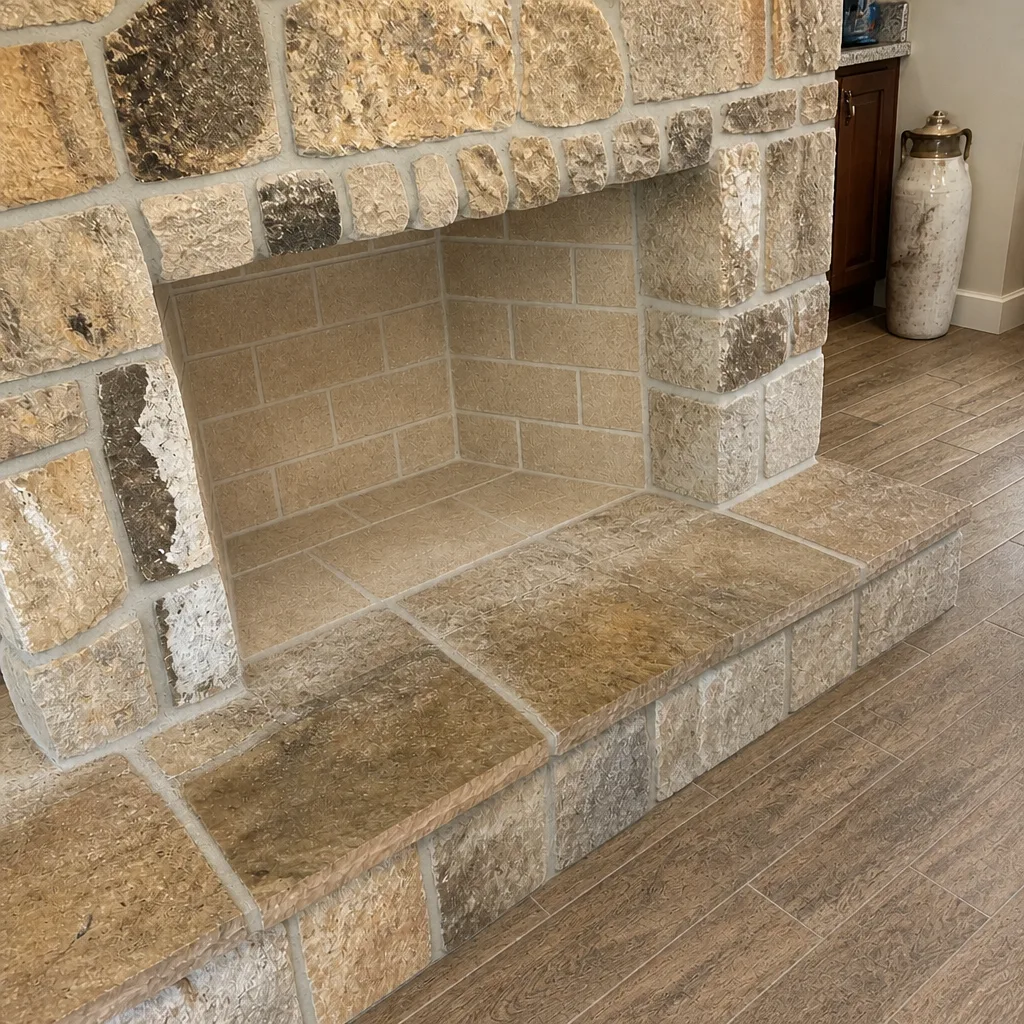
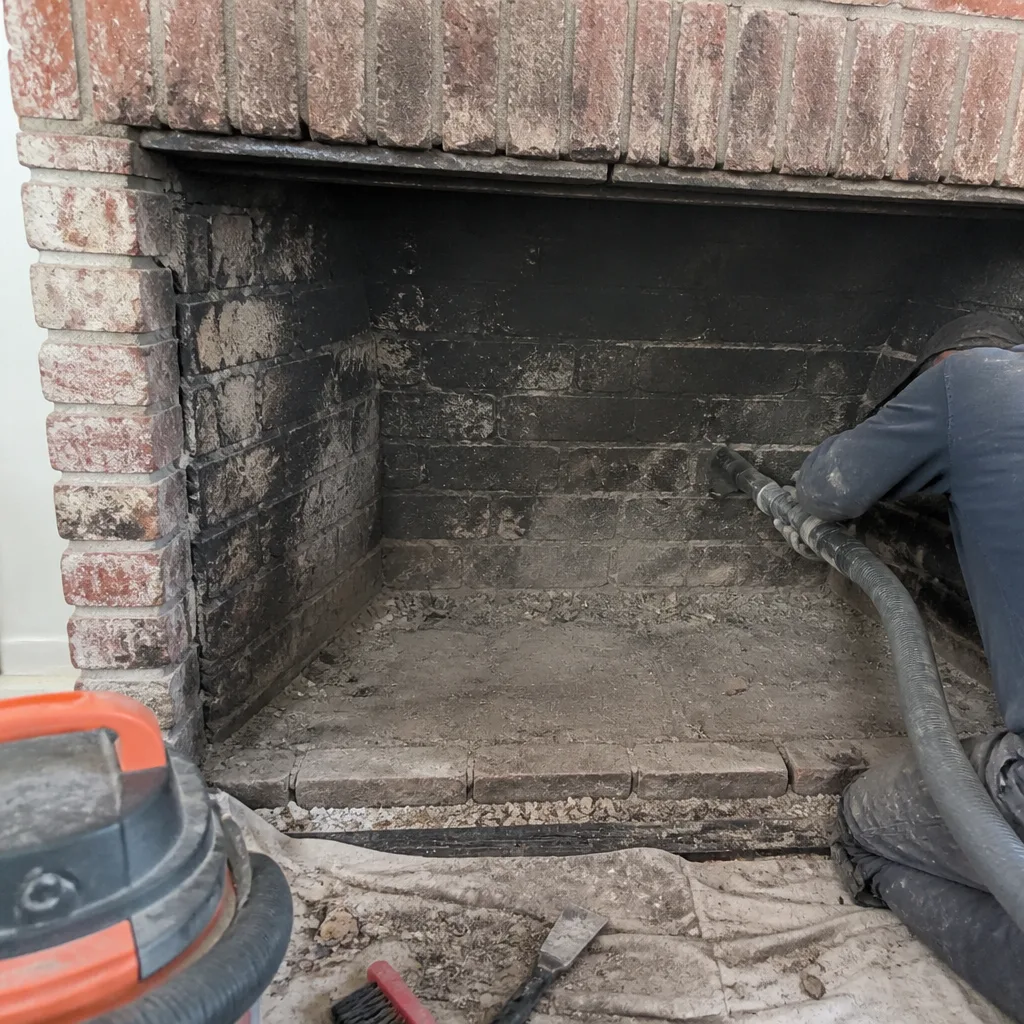
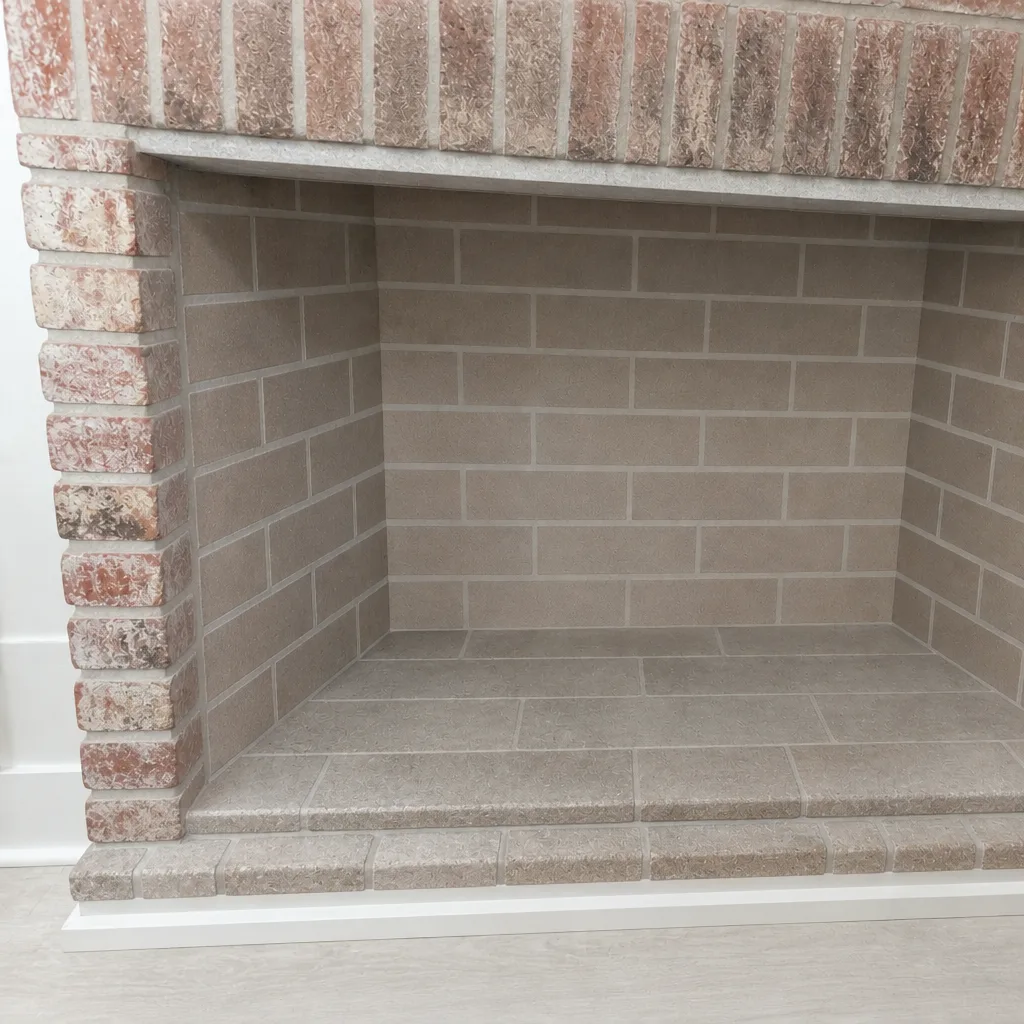
See the difference
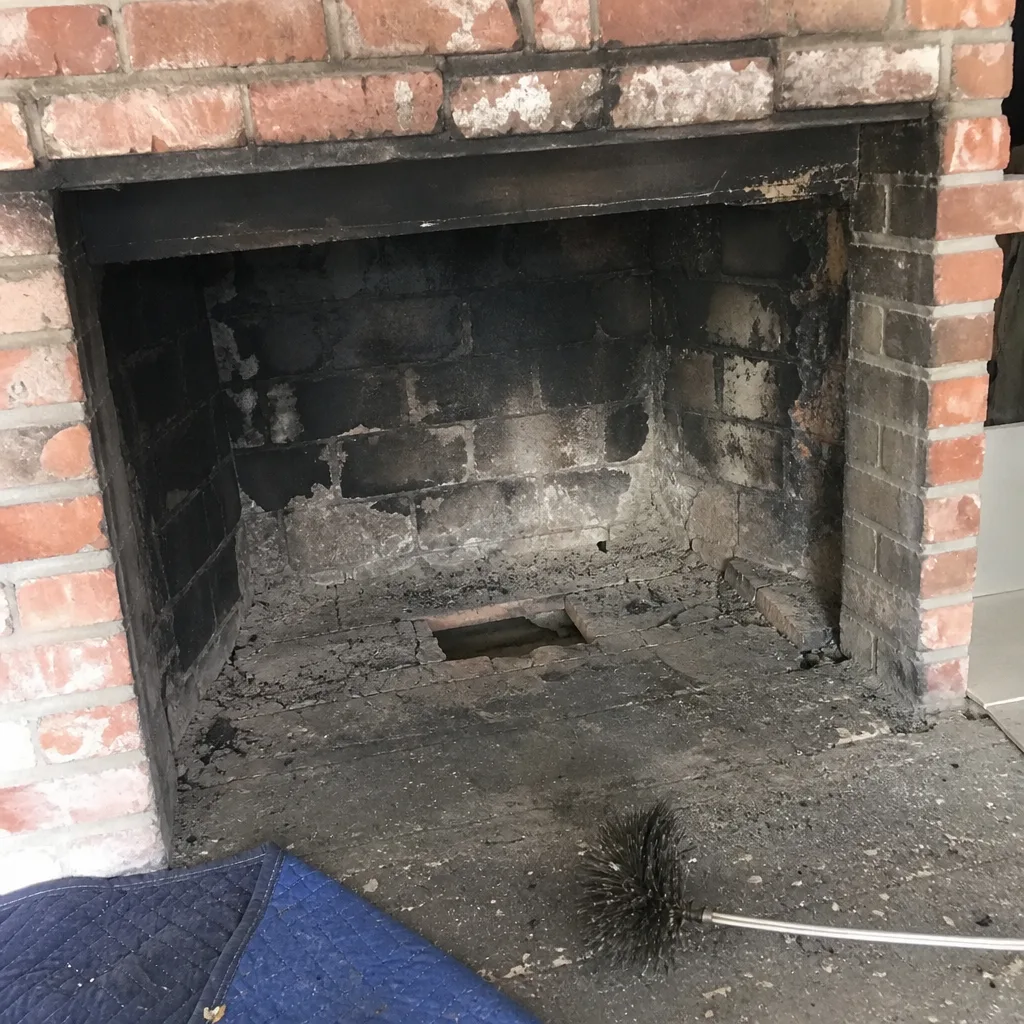 Before
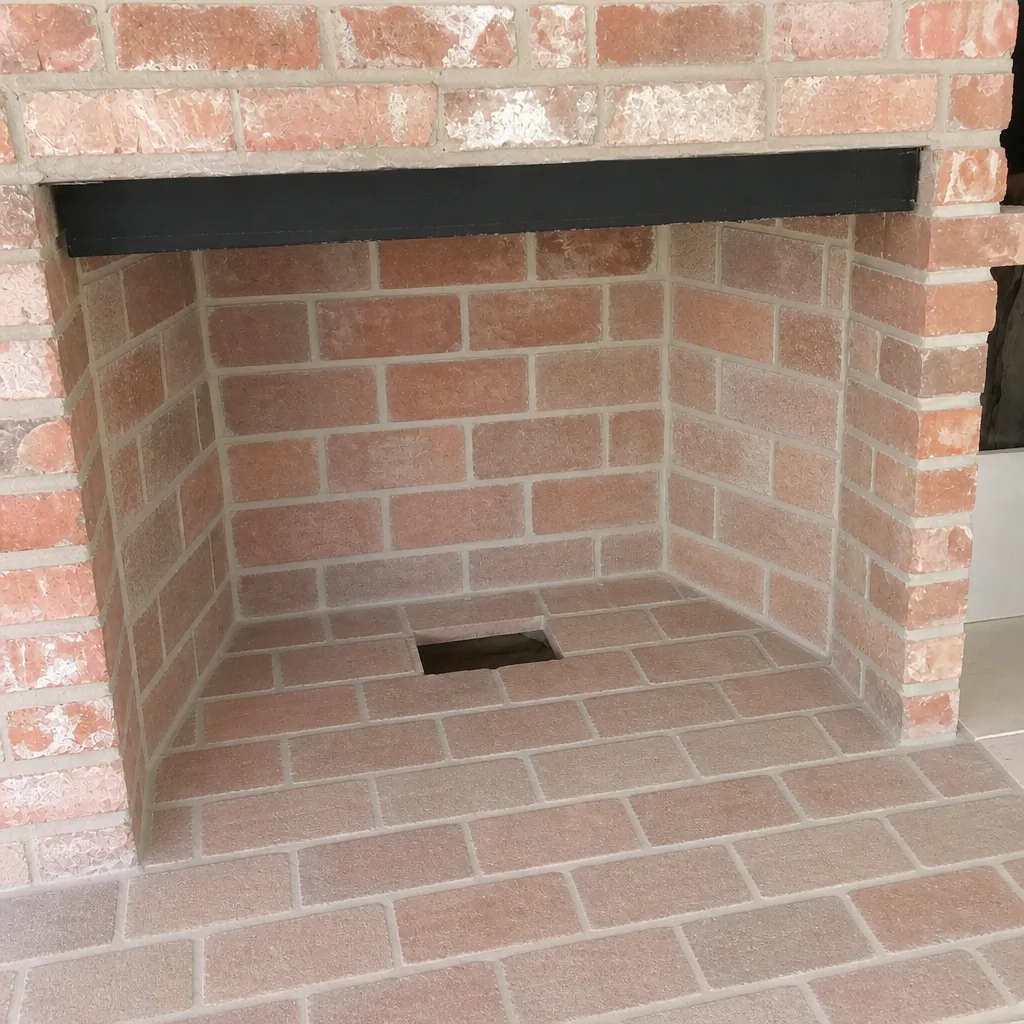 After
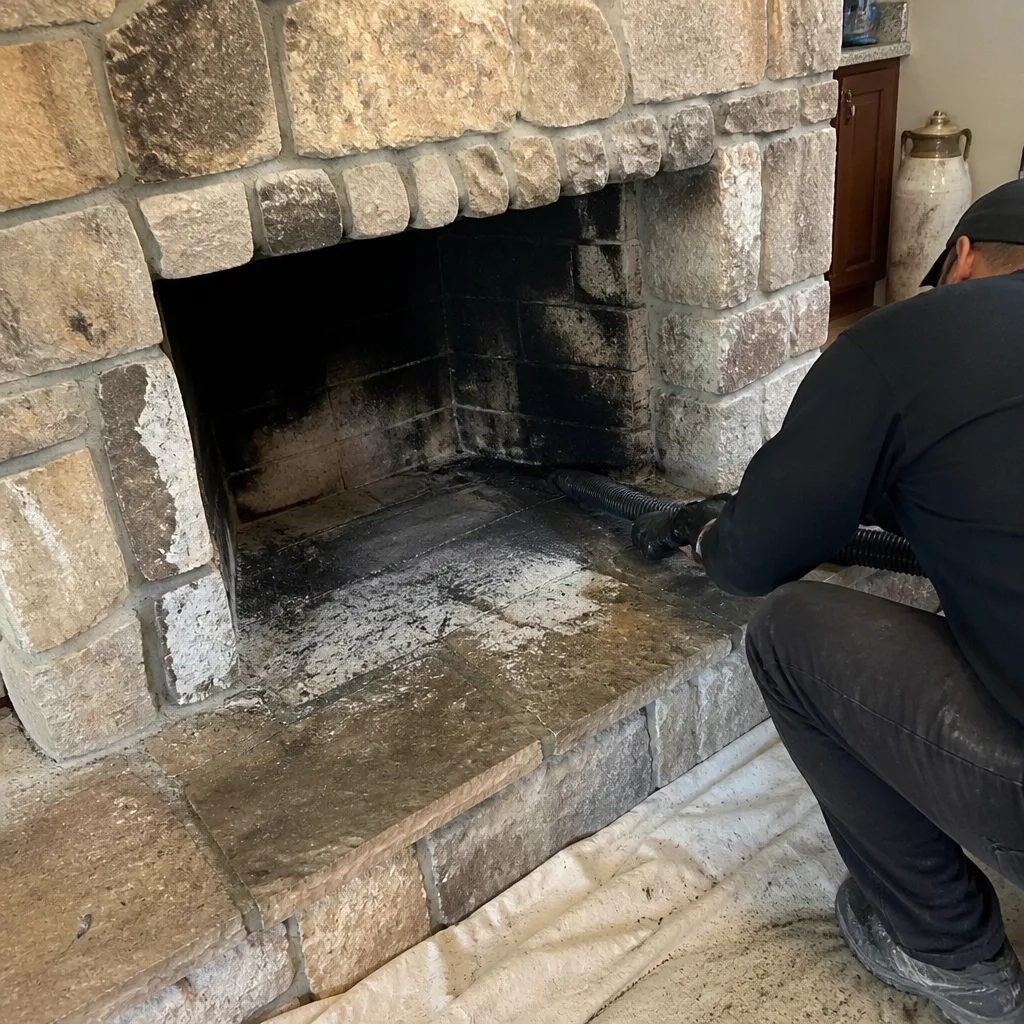 Before
 After
 Before
 After
When to Call a Professional
Call a professional when the question is about the condition of the system, not the look of the fire. Specific triggers: you’ve moved into a home and don’t know the service history, you’ve been burning heavily through the season, you see a glaze or shiny deposit in the firebox, you smell creosote in the room on warm days, you notice white staining on exterior brick, you’ve heard birds or animals around the chimney, or it’s been more than a year since the last time anyone looked at it.
Spring is the season to book the exterior inspection, and fall is the season to book the sweep. If the timing isn’t clear, book the inspection first and let what it finds set the rest of the schedule. Nothing gets recommended without camera evidence you can see for yourself, and if the work can safely wait, we’ll say so.
Chimney Sweep Draper offers free estimates in Draper. Call (866) 947-8303. We answer 24/7. Fast dispatch from 7am to 7pm, Sunday through Friday. A call outside dispatch hours is booked into the next opening, Sunday through Friday, 7am to 7pm.
Frequently Asked Questions
At least once a year, and again mid-season if you burn heavily or use unseasoned wood. The annual sweep covers the creosote load, and a second sweep during the burn season covers a household that fires most nights. The National Fire Protection Association recommends annual inspection, cleaning and repair as needed, which is the baseline we work from.
Freeze-thaw damage continues through the following winter with no one watching it. A hairline crown crack widens with each freeze cycle, water gets into the masonry and the repair grows with it. Skipping fall is a creosote problem; skipping spring is a structural one. Call (866) 947-8303 to get the exterior looked at before the next cycle.
We’d recommend a professional install it, because the chimney top is a height and fall hazard and the cap has to be correctly sized and sealed to the flue. A cap that’s the wrong size or poorly sealed lets water in around the edges, which defeats the purpose. Have it checked while the crown is being inspected at the same time.
It can, because the daily temperature swing here regularly crosses the freezing line in late winter and spring. More crossings mean more freeze-thaw cycles on water in the masonry, and that accelerates mortar joint deterioration. Higher-elevation nights extend the shoulder-season window. The result is a longer damage season than cities with a narrower daily swing.
That’s efflorescence, the salt residue left as water moves through masonry and evaporates at the surface. A single light bloom after a wet spring is not automatically a problem. White staining that returns each year, or appears with crumbling mortar, means water is actively moving through the brick and the source needs to be found. Call for an inspection rather than assuming it’s cosmetic.
It can be, if you’ve been burning heavily. Creosote builds with use, not with the calendar, and a household that fires most nights accumulates deposit faster than a household that burns occasionally. A glaze or shiny deposit visible in the firebox, smoke rolling back into the room, or a sharp creosote smell on warm days are the indicators to book one.
The Bottom Line
Chimney care in Draper runs on four windows, not one. September and October are for the sweep, the damper, the cap and the CO detector. Winter is for watching how the chimney performs and booking a second sweep if you’ve earned one. March through May is the freeze-thaw window, when the crown, flashing and mortar joints need a professional eye before the next winter widens what’s already open. Summer is for caps and nesting season. The sweep cleans the flue; the other three seasons protect the chimney around it. Get the inspection first, let what it finds set the rest, and put the work off only when it can actually wait.
Call (866) 947-8303 for a free estimate. We answer 24/7. Fast dispatch from 7am to 7pm, Sunday through Friday.
Written by the team at Chimney Sweep Draper.