
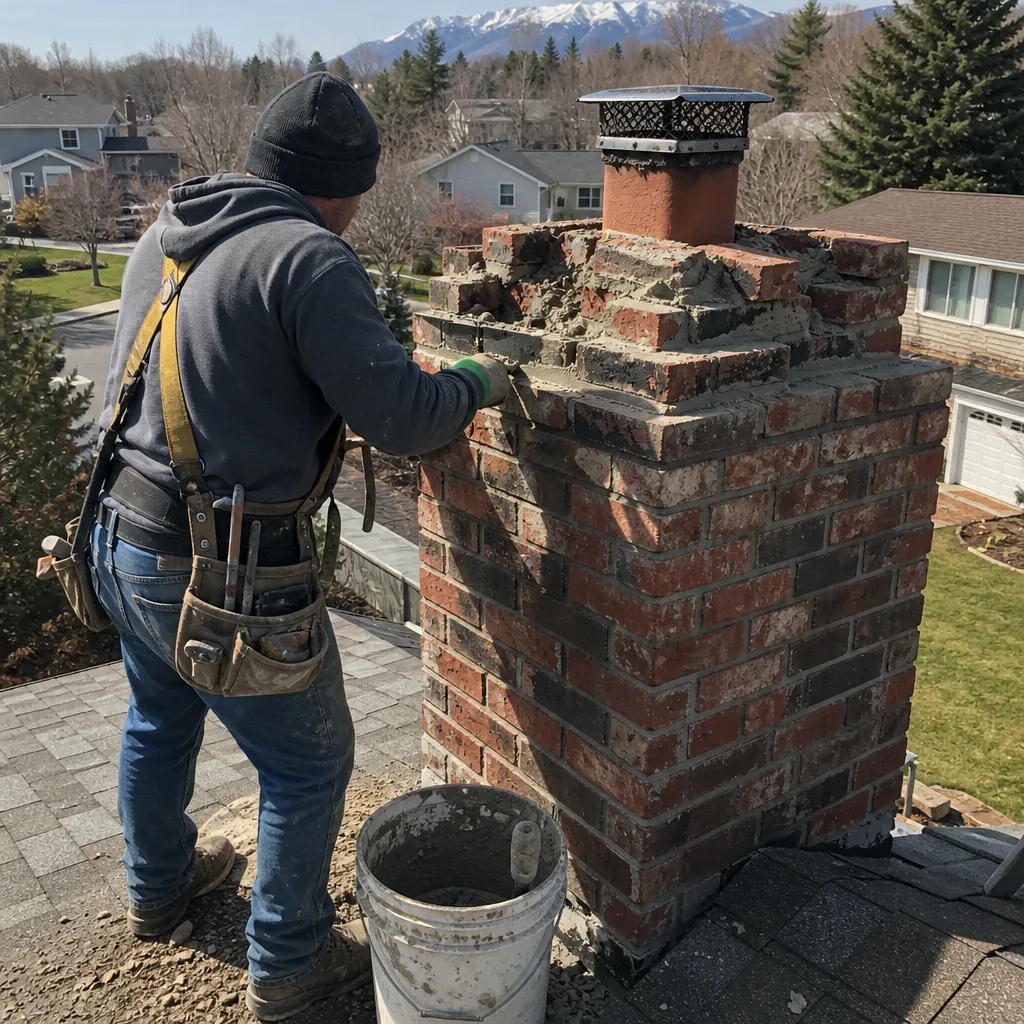
 Sweep & inspection
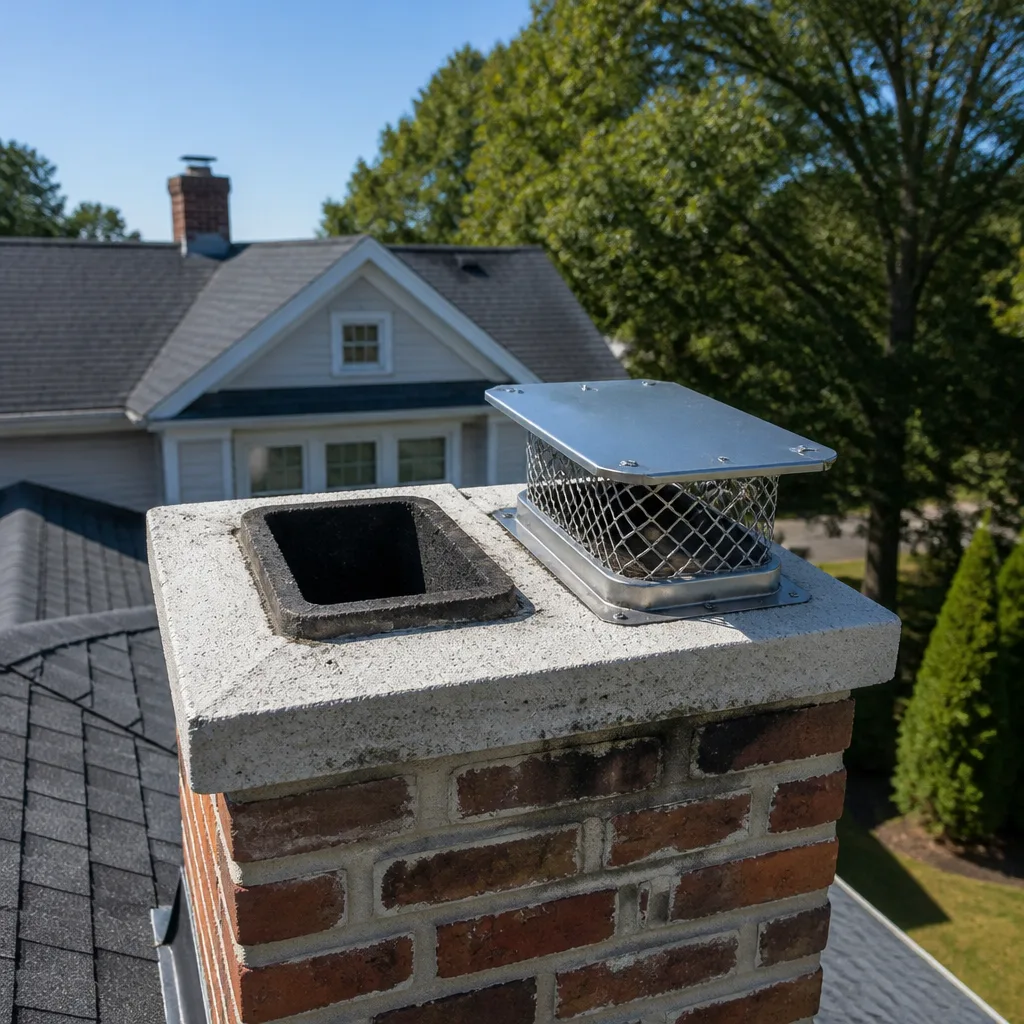
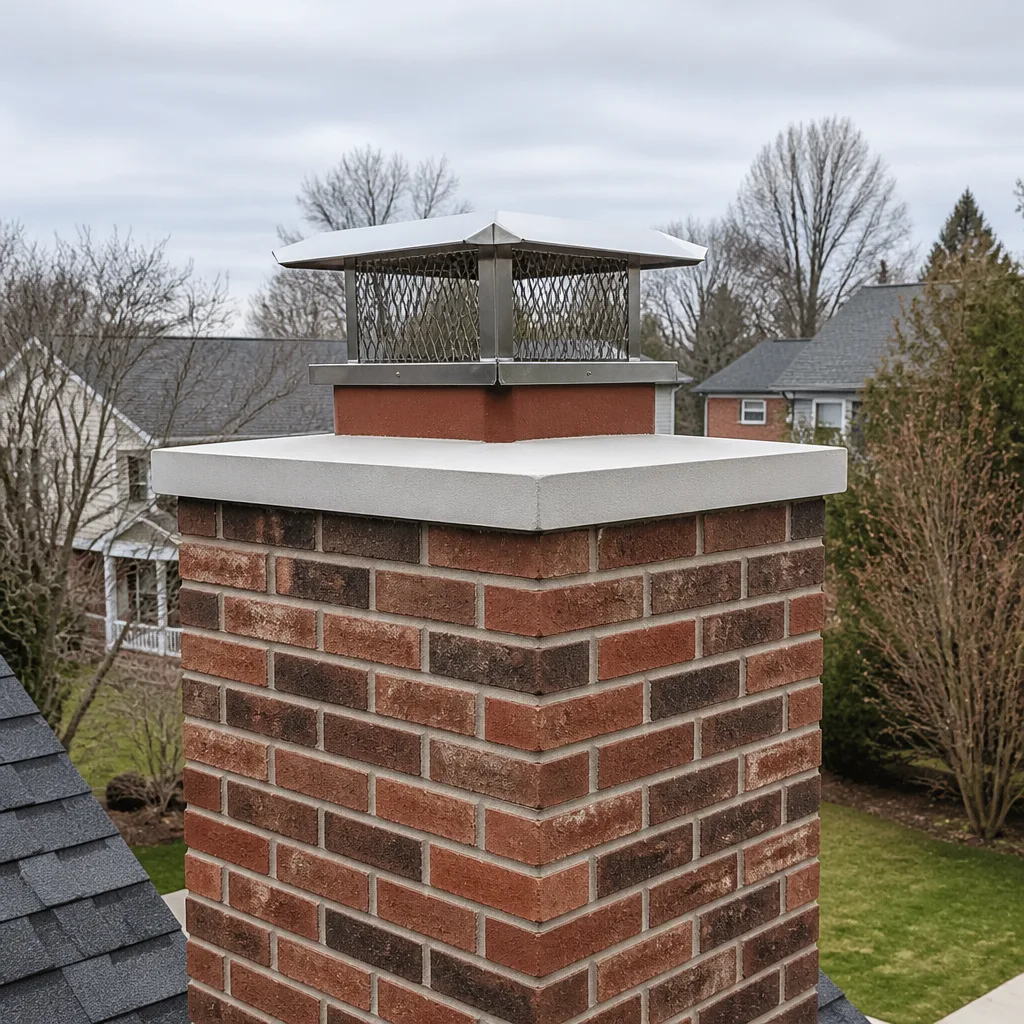 Caps & crowns
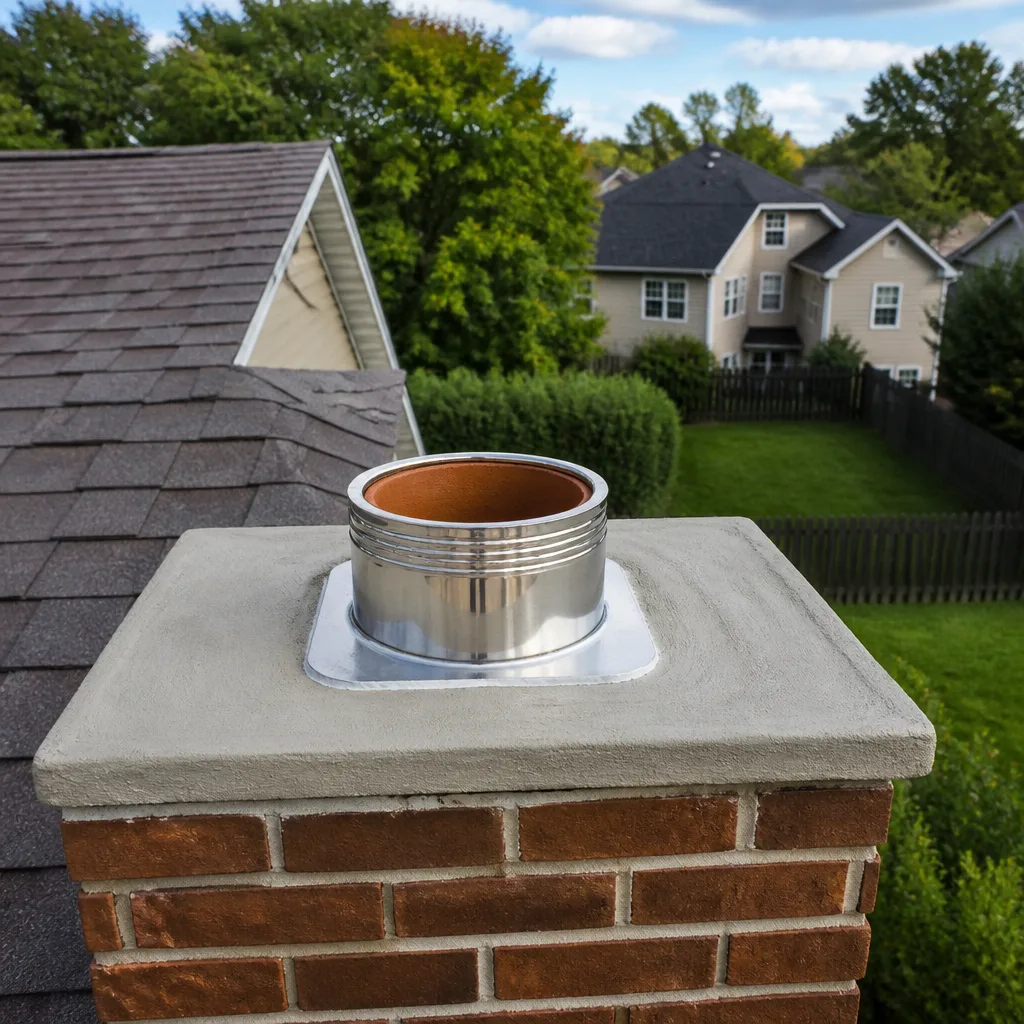 Flue relining
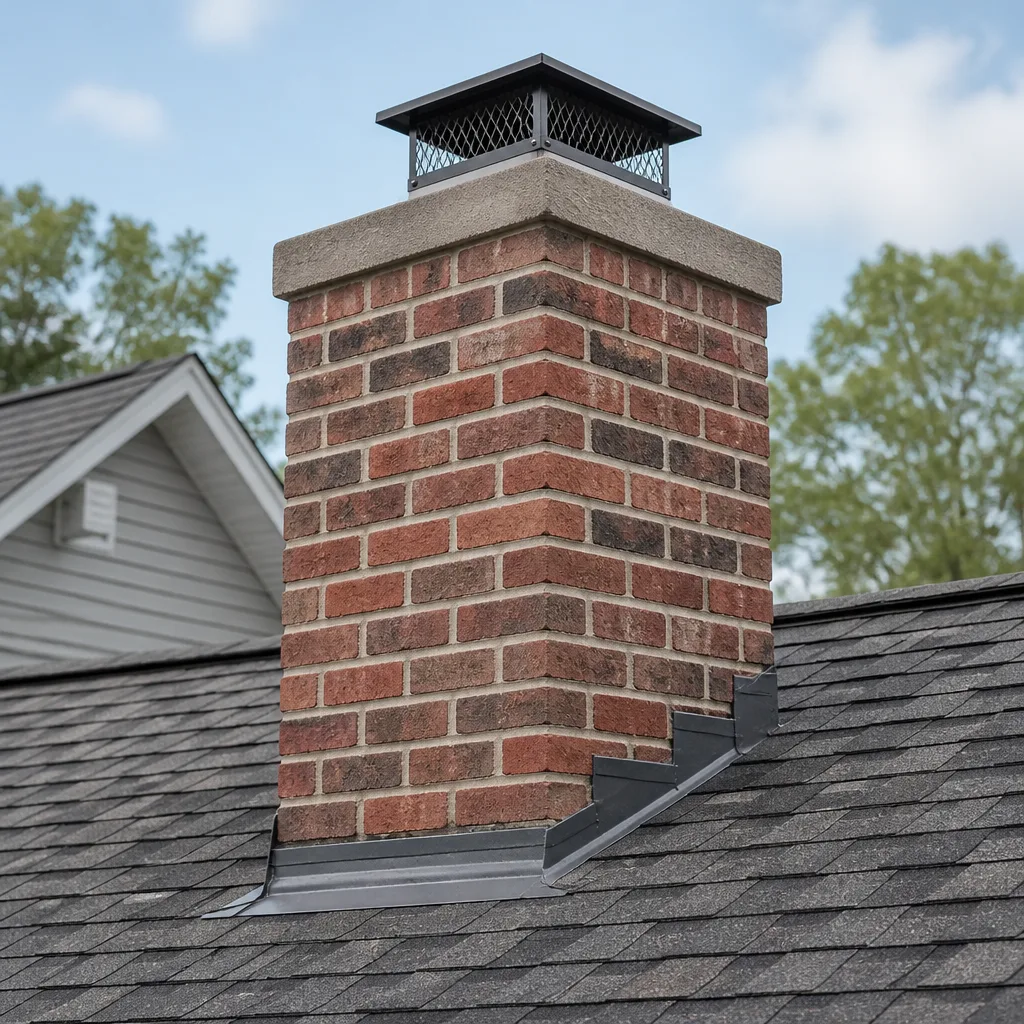 Masonry repair
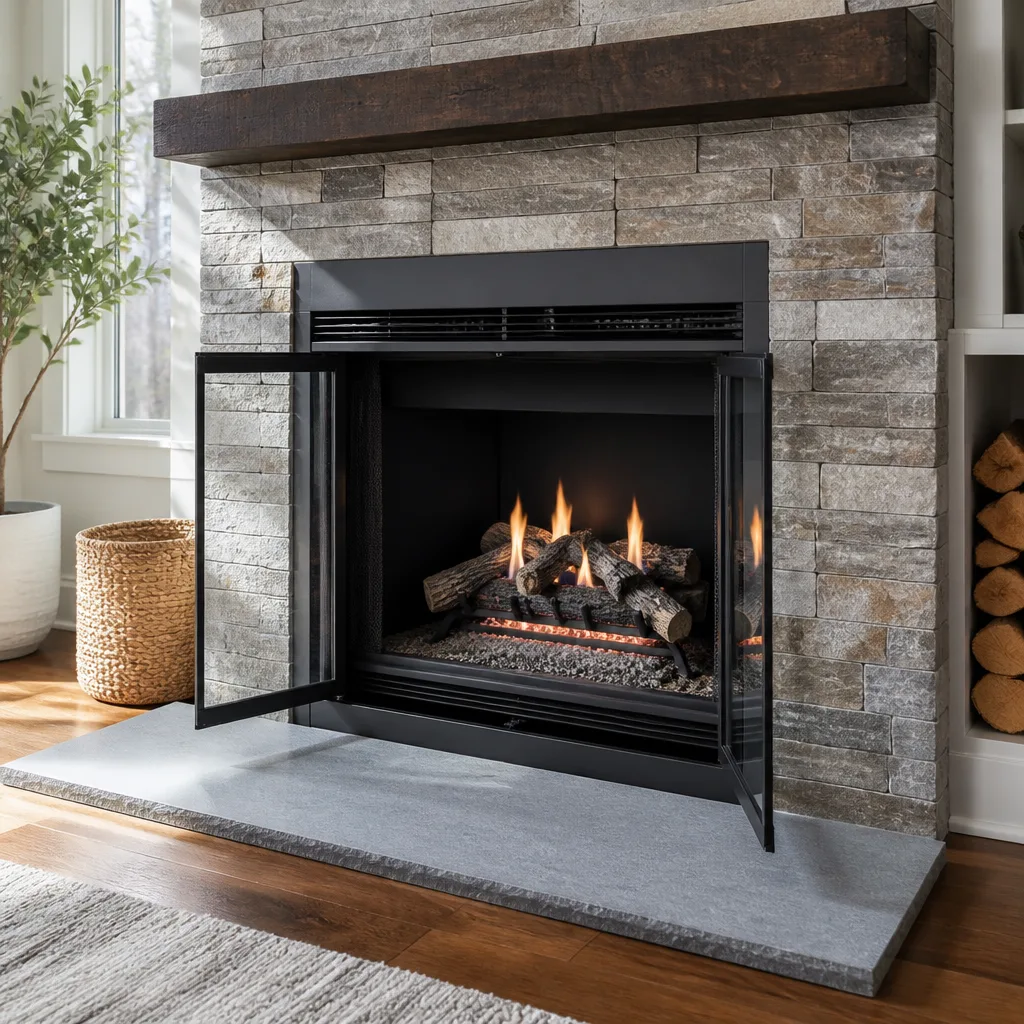 Gas fireplace service
Level 1 sweep and inspection to the NFPA 211 annual standard - flue, crown, cap, and flashing checked and photographed
Chimney sweep logs do not sweep chimneys. They loosen some creosote - which then falls where a brush and vacuum still have to collect it.
Styles & brands we work with
- Sweep & inspection
- Caps & crowns
- Flue relining
- Masonry repair
- Gas fireplace service
See the difference
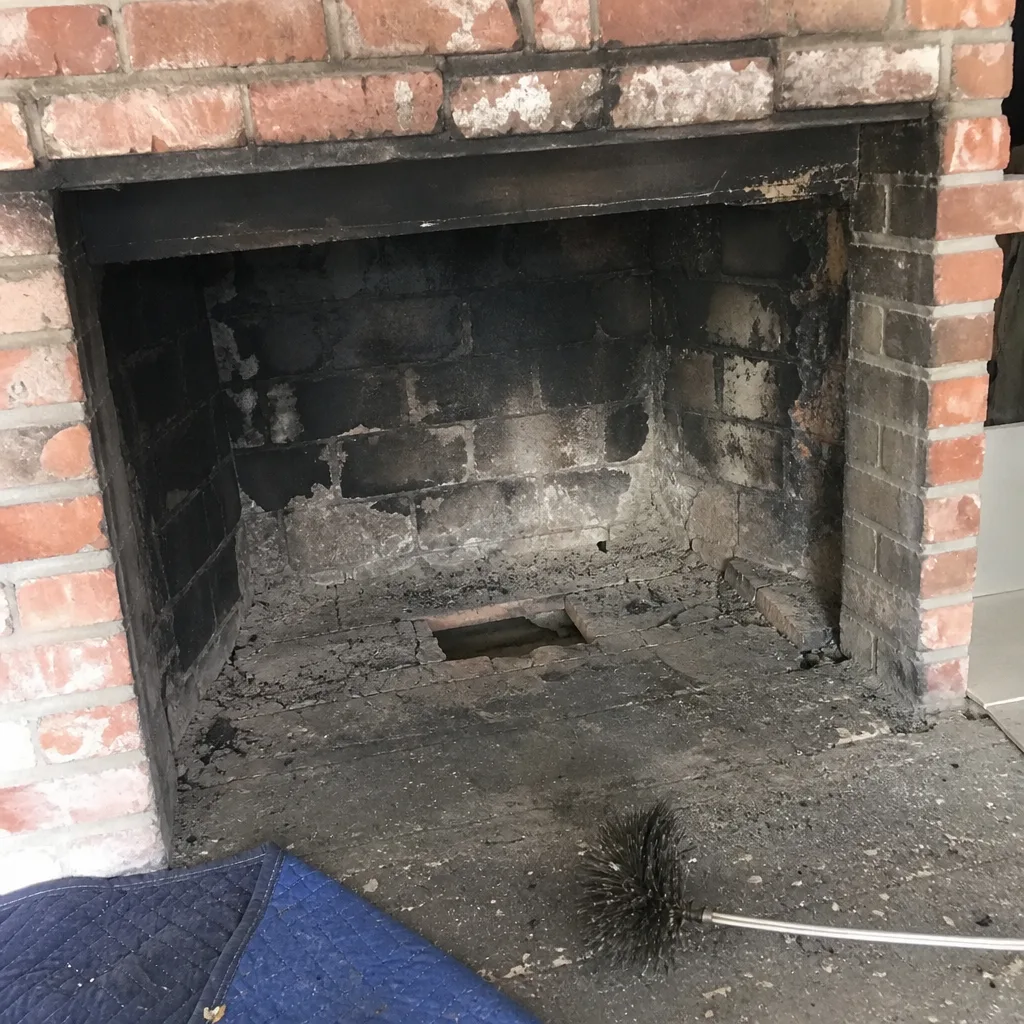 Before
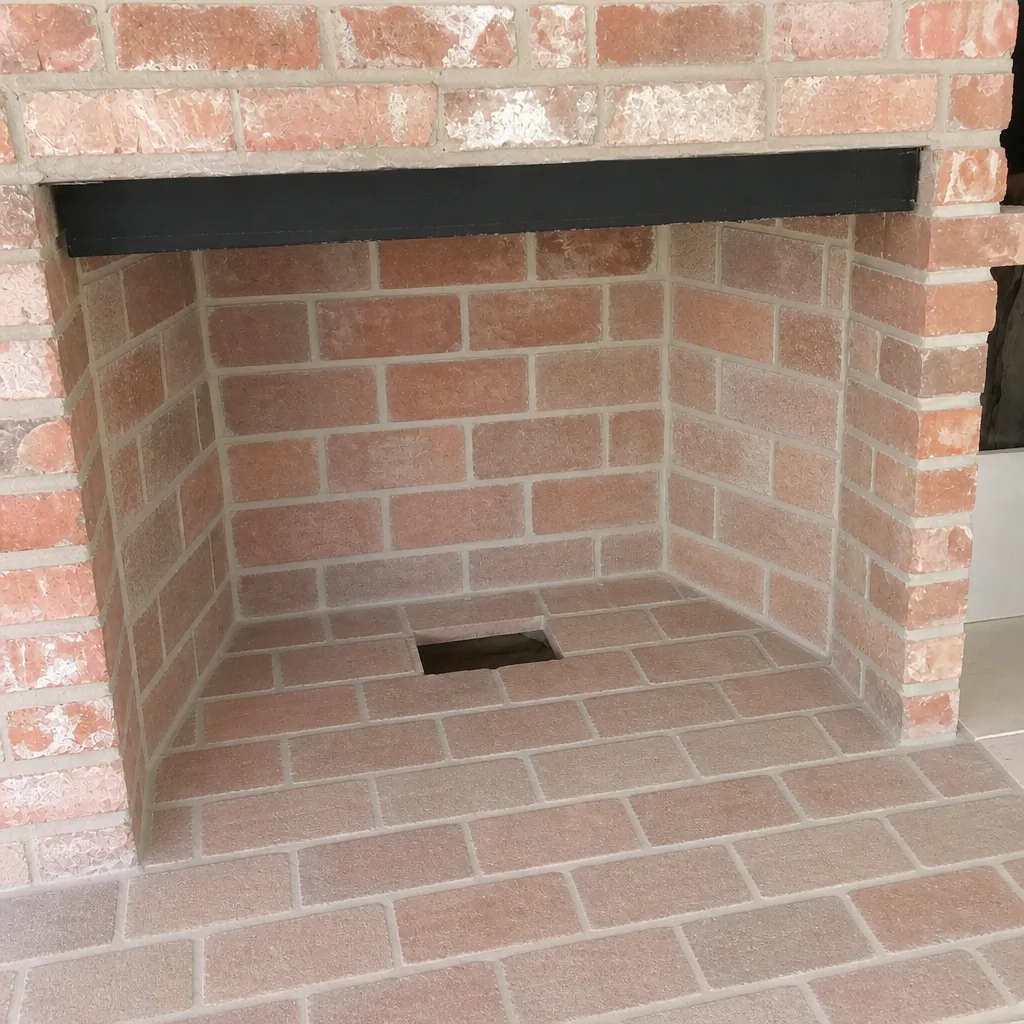 After
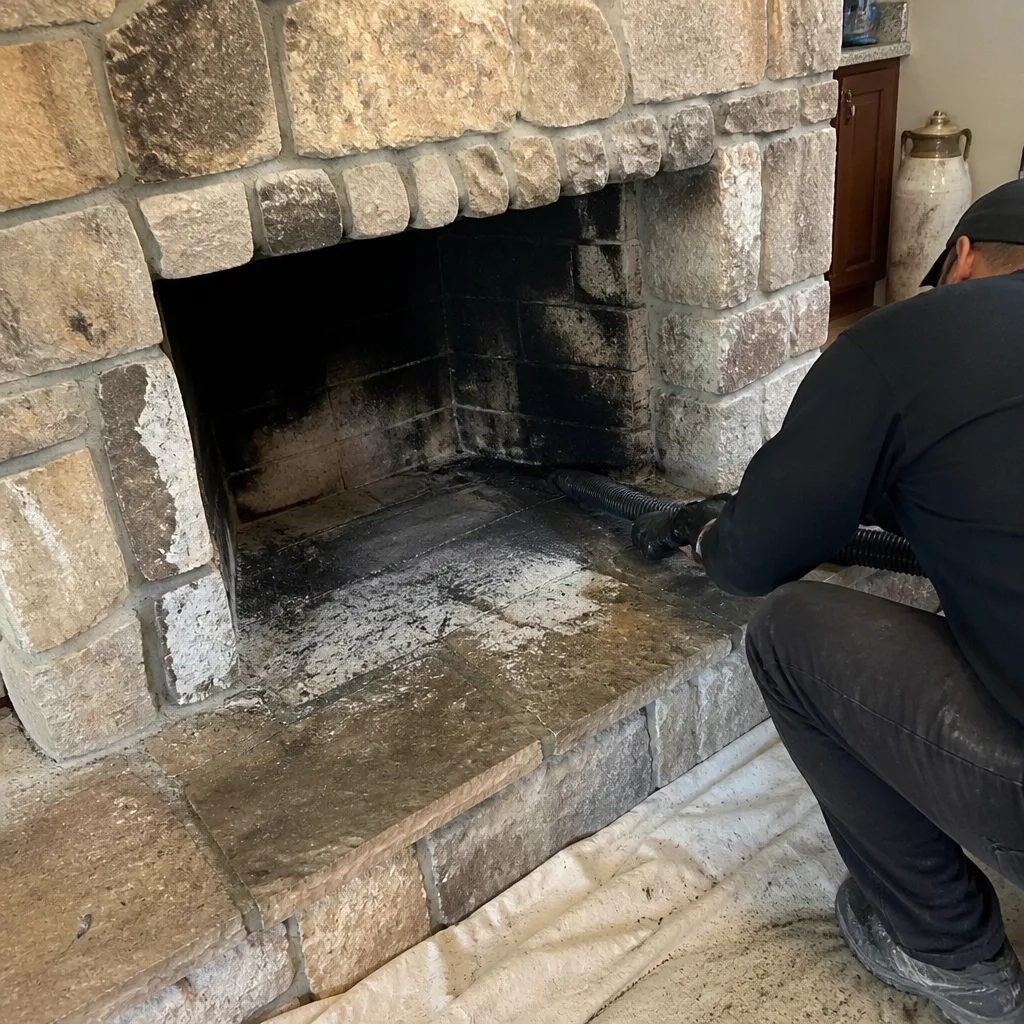 Before
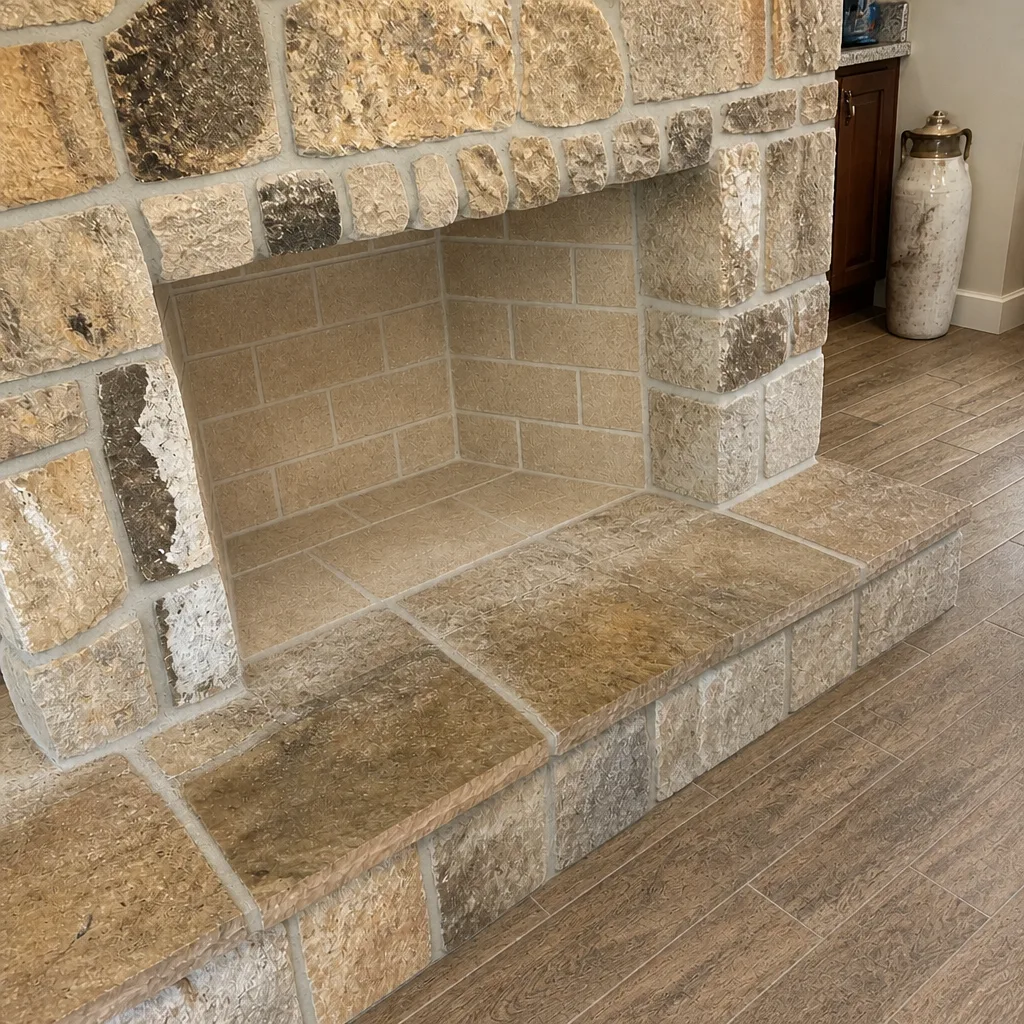 After
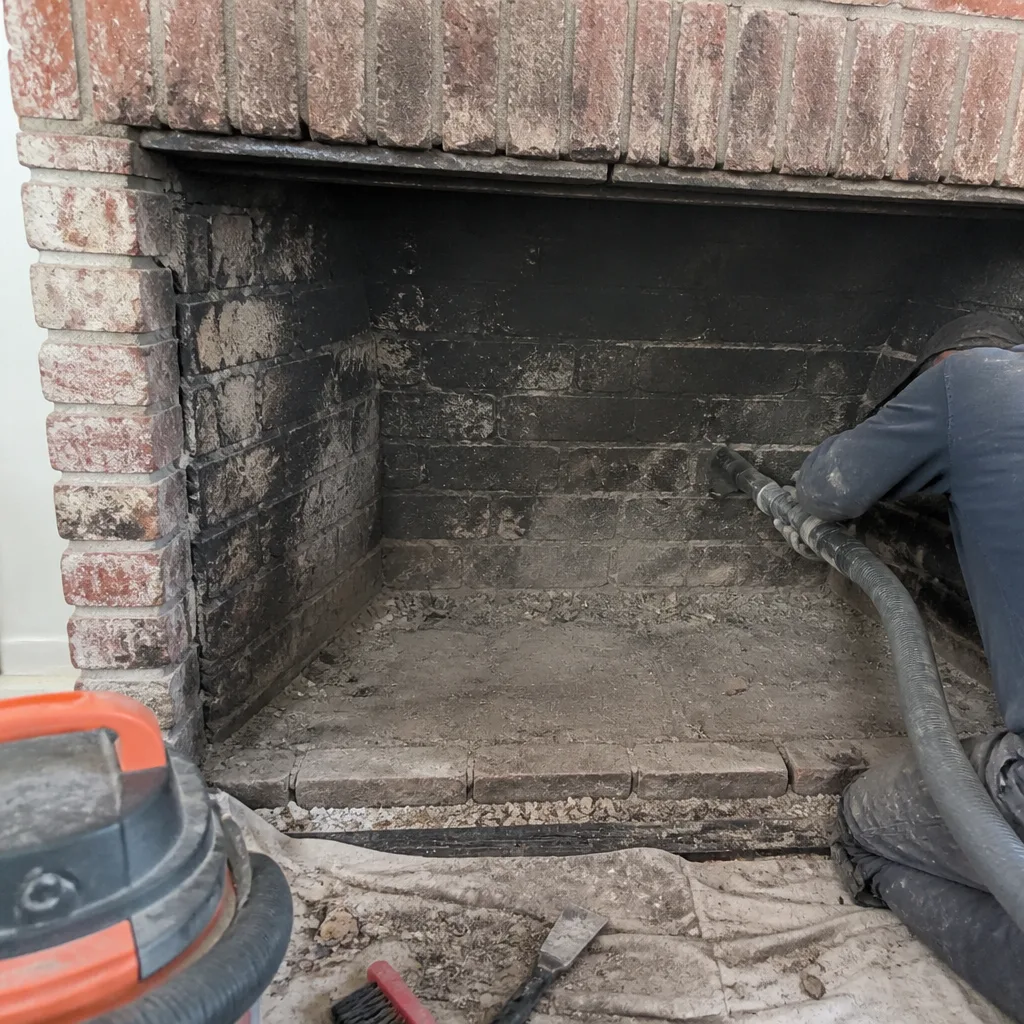 Before
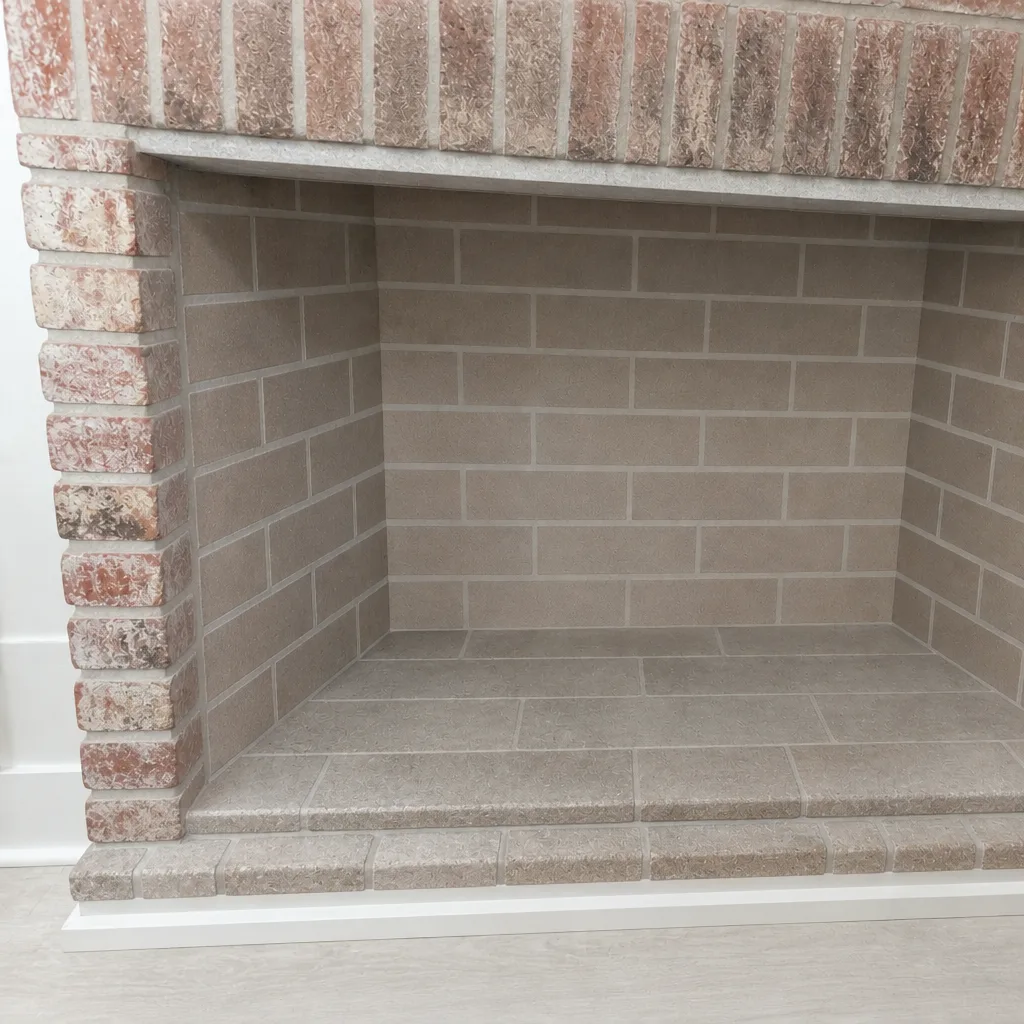 After
How Much Does Chimney Cleaning Cost in Sandy?
Chimney cleaning in Sandy typically costs $150 to $300 for a standard sweep, and that range holds for most wood-burning fireplaces and stoves in the area. If your flue hasn’t been touched in years or has a heavy creosote load, expect $250 to $450. A basic safety inspection usually runs $75 to $150 on its own, and most homeowners pair it with the sweep so the whole visit lands somewhere in the $250 to $400 window. Call (866) 947-8303 for a free estimate, and we’ll give you a written price before any work starts.
Chimney Cleaning Cost Breakdown (2026)
Here’s how chimney pricing breaks down across the Sandy market. Use these as planning numbers, not quotes. The written estimate sets the final price for your specific chimney.
| Service | Typical Sandy Range |
|---|---|
| Level 1 inspection (annual safety check) | $75 – $150 |
| Standard chimney sweep, wood-burning fireplace | $150 – $300 |
| Sweep with heavy creosote removal (Level 2 or 3 condition) | $250 – $450 |
| Sweep + Level 2 inspection (camera verification) | $250 – $400 |
| Wood stove or pellet stove sweep | $175 – $325 |
| Gas fireplace cleaning and inspection | $125 – $225 |
| Chimney cap installation | $150 – $400 |
| Crown repair or resurfacing | $300 – $900 |
| HeatShield flue resurfacing | $800 – $1,800 |
| DuraFlex flexible liner installation | $1,500 – $3,500 |
What pushes a job toward the higher end of any of these numbers? Creosote volume is the big one. A flue that’s burned two or three seasons of green wood will have glazed, hardened deposits that take more time and more tooling to remove than a homeowner expects. Roof access matters too. A chimney that sits near a steep, high roof line in Sandy’s foothill neighborhoods takes longer to set up safely than one on a flat, easy-access ranchette lot. The other driver is what we find once we’re in there. A cracked crown, a loose cap, or a liner that’s spalling gets flagged during inspection, and the cost of that repair lands on top of the sweep if you choose to fix it. None of those are surprises we spring on you. Inspection first, recommendations second.
What Affects Chimney Cleaning Pricing in Sandy
No two chimneys here price out the same. These are the factors that move the number up or down most often:
- How much creosote has built up. Creosote forms in stages, from light soot to glazed, tar-like deposits that are genuinely hard to remove. The heavier the load, the longer the sweep and the higher the cost. A chimney that gets swept every year stays cheap; one that’s been skipped for five or six seasons doesn’t.
- Whether you’ve had an inspection recently. A standalone inspection tells you exactly what you’re dealing with before you commit to a sweep. If your chimney’s condition is unknown, we recommend inspection first. It’s not a cleaning upsell, it’s the honest starting point. Our chimney sweep Draper page covers the inspection-first approach in more depth if you want to understand the logic.
- The type of appliance. A traditional open-hearth fireplace is generally straightforward to sweep. A wood stove with baffles, a pellet stove, or an insert with tight clearances takes more careful, slower work, and that’s reflected in the range.
- Roof pitch and chimney height. Sandy homes range from flat-roofed mid-century lots near the valley floor to steep-pitched houses up against the Wasatch foothills. Steeper roofs and taller chimneys mean more time setting up ladders and anchors, which factors into the estimate.
- Liner condition. If the flue liner is cracked, spalling, or improperly sized, the sweep becomes a diagnostic job. We document what we find with a camera and recommend the appropriate fix. A resurfaced liner via HeatShield is often far less expensive than full relining, which is one reason we use it where the structure allows.
- Dry, high-altitude air and wood-burning habits. Sandy’s dry climate and cold winters mean many households burn hard from November through March. How you season your wood and how you run your fire directly affects creosote production, and heavier burning means more frequent sweeps.
How to Save on Chimney Cleaning
There’s no coupon needed here. Most of the savings come from how you handle the chimney between visits.
- Sweep annually. A chimney cleaned every year stays in the lower half of the range. The opposite is also true: skipped years compound. Light soot is easy to remove; a decade of glazed creosote is not.
- Burn seasoned wood only. Wet or green wood produces far more creosote than dry wood. Season your wood for at least a full year before burning and you’ll keep buildup slower and sweeps easier.
- Don’t put off small repairs. A cracked cap or a failing crown that gets caught early costs far less than the water damage and structural repair that follow if it’s ignored for a season or two. We install caps and crowns using Copperfield and Olympia Chimney components, and that’s not a sales pitch, it’s money saved down the road.
- Get a free estimate. Free estimates mean you know what the job costs before anyone touches your chimney. Call (866) 947-8303 and we’ll give you a written estimate. We answer 24/7. Fast dispatch from 7am to 7pm, Sunday through Friday.
When Should You Get Chimney Cleaning, and When Should You Wait?
Chimney cleaning is worth doing every year if your fireplace or wood stove sees regular use through the winter. If you burn only occasionally, most chimney professionals recommend an annual inspection instead of a full sweep, with the sweep scheduled when the inspection shows enough buildup to warrant it. Sandy winters are long and cold enough that wood-burning households here tend to burn hard. That’s a good reason to stay on the annual schedule rather than stretch it to every two or three years.
The cases where a visit shouldn’t wait: a newly purchased home with an unknown chimney history, a flue that smells strongly of creosote in warm weather, smoke that backs into the room when the fire is lit, or visible soot staining around the firebox. Each of those points to a problem worth identifying before you use the fireplace again.
If you’ve recently moved into a Sandy home and the chimney condition is a mystery, a standalone inspection is the right first move. You get a full assessment with no obligation to clean, and you can decide from there. Our chimney inspection page explains the inspection levels and what each one covers.
If the inspection turns up a damaged liner, we handle the repair. We work with DuraFlex flexible liner systems, which can line offset and complex flue configurations that rigid systems can’t address, and we use HeatShield flue resurfacing when the liner is still structurally sound but worn. Both are professional-grade materials recognized across the chimney trade. Most homeowners are relieved to find they don’t need to track down a separate contractor once we’ve identified the problem. One call, one company, from the sweep through the repair.
Repair or Replace?
If your chimney needs work beyond cleaning, the repair-versus-replace question comes up constantly. The short answer: liner resurfacing with HeatShield is often an option worth taking before full relining. It costs significantly less and extends the life of a liner that’s damaged but not destroyed. A full reline with DuraFlex is the right choice when the existing clay liner is badly cracked, wrongly sized, or missing altogether. Our technicians assess structural condition first and recommend accordingly. Inspection first, recommendations second, and a clear explanation of what you’re paying for in each scenario.
For the fuller picture on fireplace-side work, our fireplace repair page covers the interior component side of the equation. For changes to chimney exteriors, our chimney repair page covers masonry, crown and flashing issues. And if you’re thinking about keeping water out of the flue before the next snowmelt, our chimney cap installation and crown repair pages are the places to start.
Chimney Cleaning Cost in Nearby Communities
Sandy shares a housing stock and climate pattern with its neighbors along the valley’s east bench, and pricing is generally similar across the corridor. We’ve written detailed guides for each community below so you can compare:
- Chimney cleaning in Draper
- Chimney cleaning in Midvale
- Chimney cleaning in South Jordan
- Chimney cleaning in Cottonwood Heights
- Chimney cleaning in Holladay
- Chimney cleaning in Murray
- Chimney cleaning in Riverton
- Chimney cleaning in Herriman
For broader guidance on what annual maintenance should include, our chimney inspection cost guide walks through inspection levels, what each one costs, and when each one is appropriate.
FAQs – Chimney Cleaning Cost
How much does chimney cleaning cost in Sandy?
Chimney cleaning in Sandy typically costs $150 to $300 for a standard sweep, with heavier creosote jobs running $250 to $450 and a sweep paired with inspection at $250 to $400. The written estimate sets the final price for your chimney. Call (866) 947-8303 for a free estimate.
Is it cheaper to repair or replace a chimney liner?
HeatShield flue resurfacing is almost always cheaper than full relining, typically $800 to $1,800 versus $1,500 to $3,500 for a DuraFlex liner installation. Whether resurfacing is appropriate depends on the structural condition of the existing liner, which our inspection confirms. Call (866) 947-8303 for a free assessment.
Does chimney cleaning cost more if it hasn’t been done in years?
Yes. A chimney that hasn’t been swept in several seasons often costs $250 to $450 versus $150 to $300 for a maintained one, because heavy or glazed creosote takes significantly more time to remove safely. Call (866) 947-8303 for a free estimate on your specific chimney.
Can you come today?
Same-day scheduling is often available, and we answer the phone 24/7. Fast dispatch runs from 7am to 7pm, Sunday through Friday, and we’re closed on Saturday. Call (866) 947-8303 to check availability and get a free estimate.
What’s included in a chimney cleaning price?
A standard sweep covers removal of soot and creosote from the firebox, smoke chamber, and flue, plus a basic visual inspection of accessible components. A camera-based Level 2 inspection, cap or crown work, and liner repair are additional line items. The written estimate lists everything before work begins. Call (866) 947-8303 for your free estimate.
Ready to Book a Chimney Cleaning in Sandy?
Chimney cleaning is one of those services where price and safety are directly connected. A sweep that actually clears the creosote and an inspection that catches a failing crown before winter costs far less than the fire or water damage it prevents. We handle sweeping, inspection, fireplace repair, chimney repair, and cap and crown work as one company, using professional-grade materials from DuraFlex, HeatShield, Gelco, Olympia Chimney, Famco, and Copperfield. Our technicians have up to 11 years of experience, and every job starts with a free written estimate.
Call (866) 947-8303. We answer 24/7. Fast dispatch from 7am to 7pm, Sunday through Friday. You’ll know your price before we start, and you won’t need to call anyone else if the inspection turns up something that needs repair.
Pricing reflects the Sandy market as of 2026. Chimney Sweep Draper offers free estimates – call (866) 947-8303.
Written by the team at Chimney Sweep Draper.
What Our Customers Say
"Drop cloths everywhere, HEPA vac, and not a speck of soot on the carpet. I'd been dreading the mess for nothing."
- Paul Kowalski"Liner was cracked in two places. He walked me through the repair options honestly, including the one that was cheaper for him and better for me."
- Nathan Vaughn"Crown was cracked and taking water. Repaired it rather than quoting a rebuild, which the previous company had pushed hard for."
- Jason Gallagher