
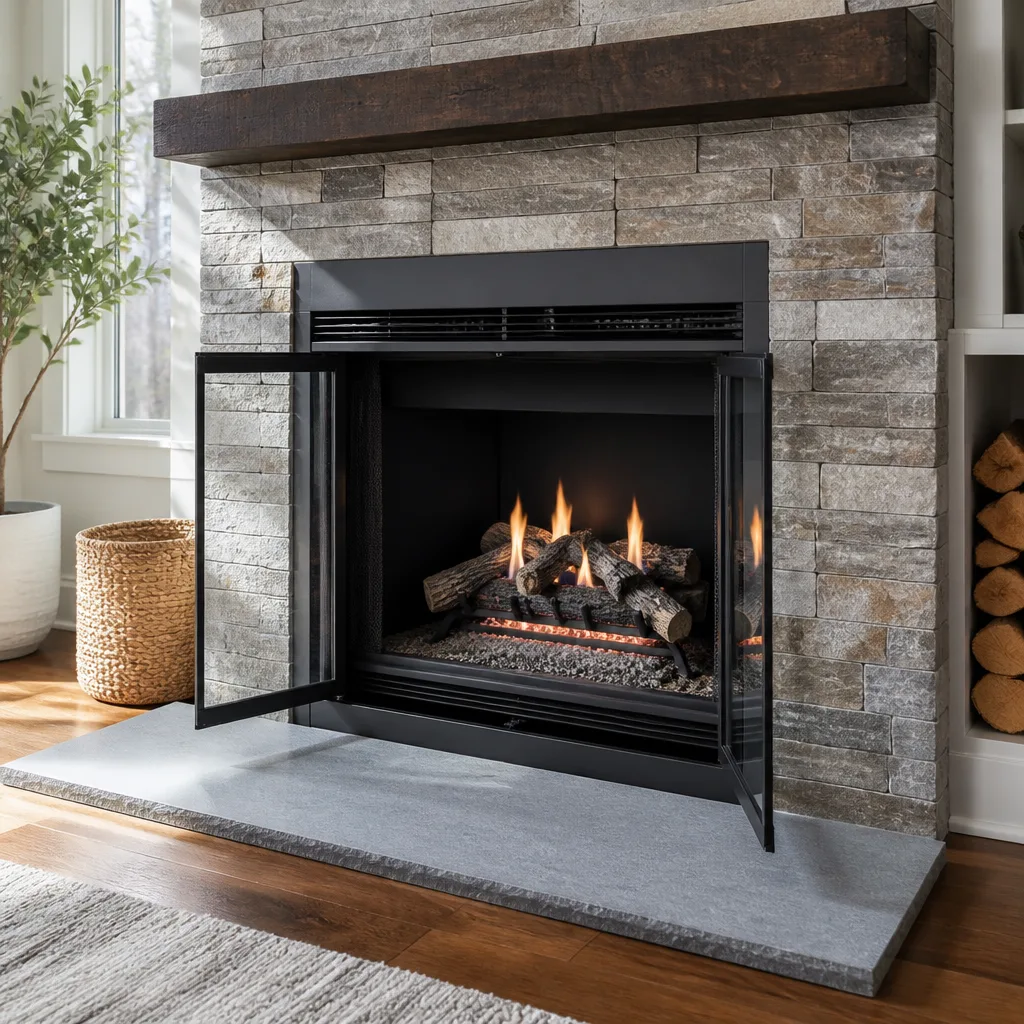
 Gas fireplace service
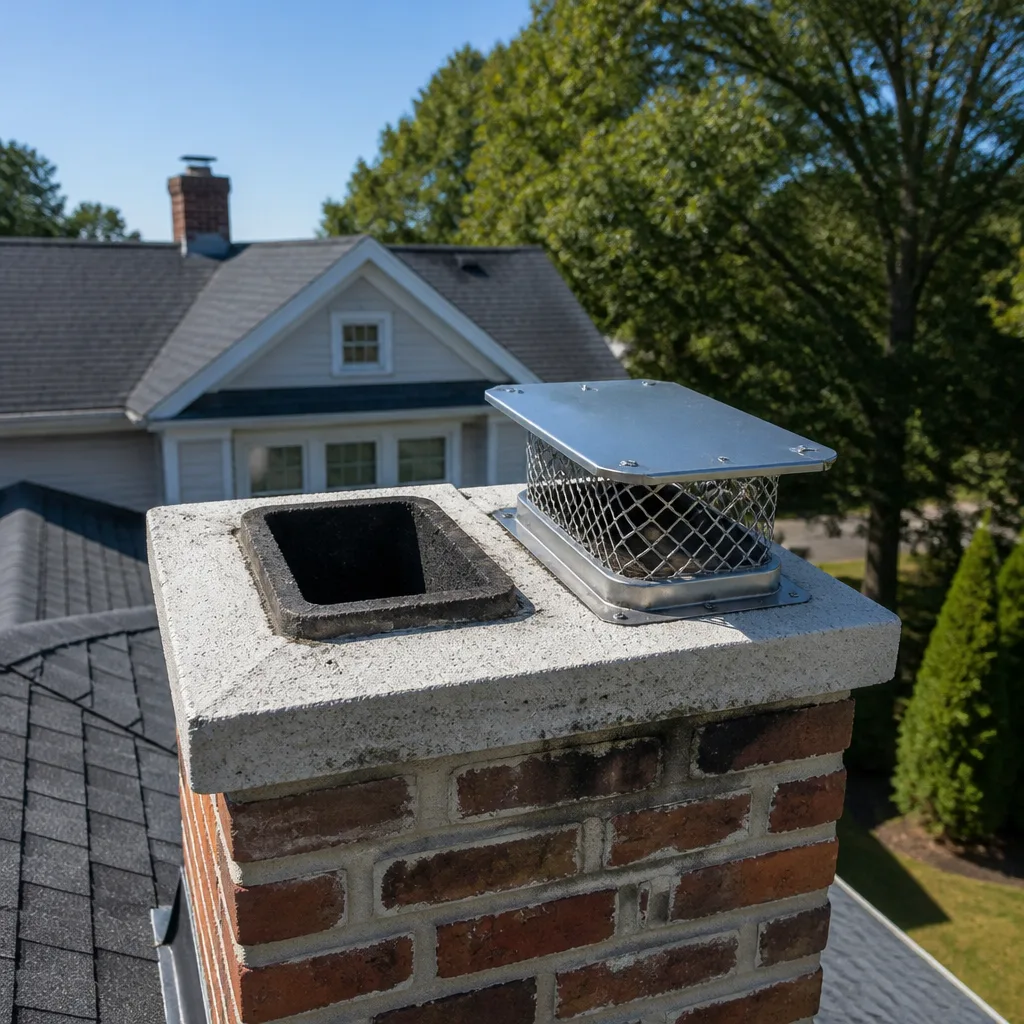 Sweep & inspection
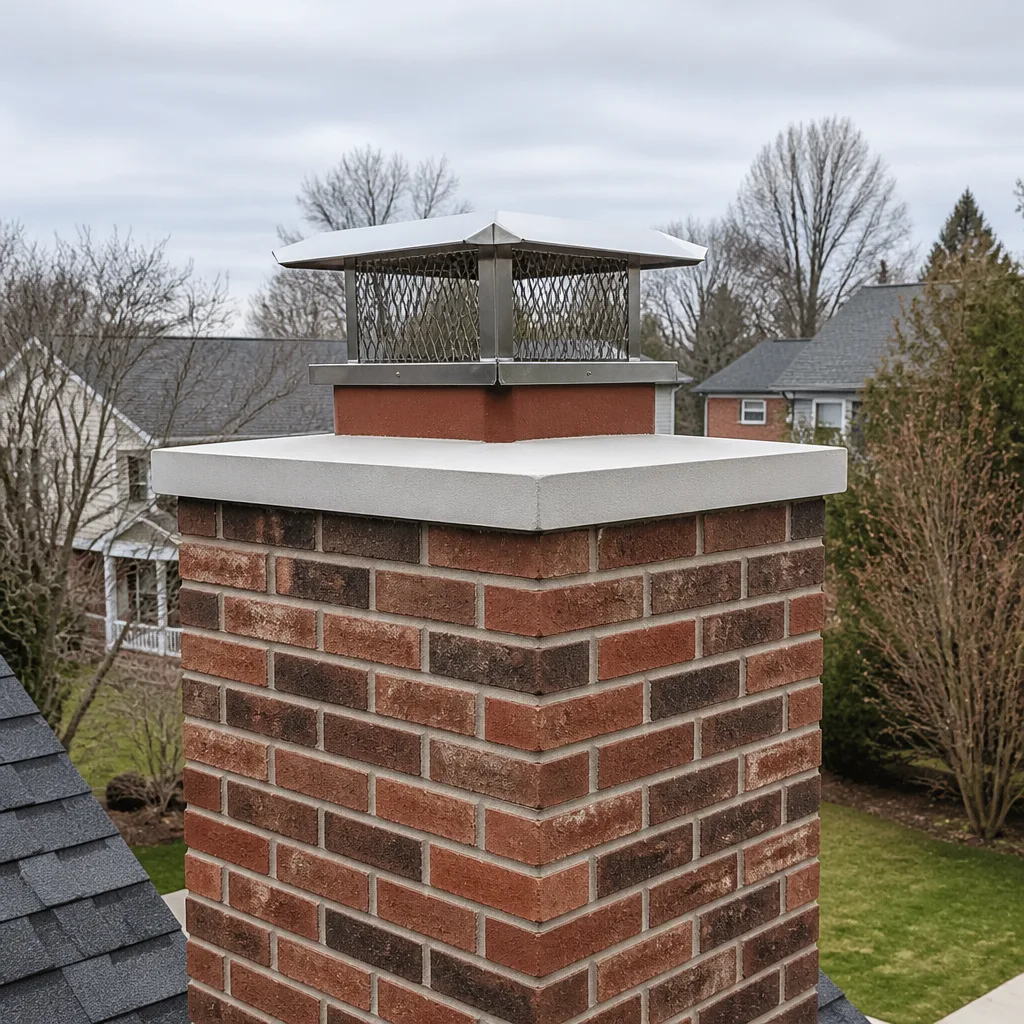 Caps & crowns
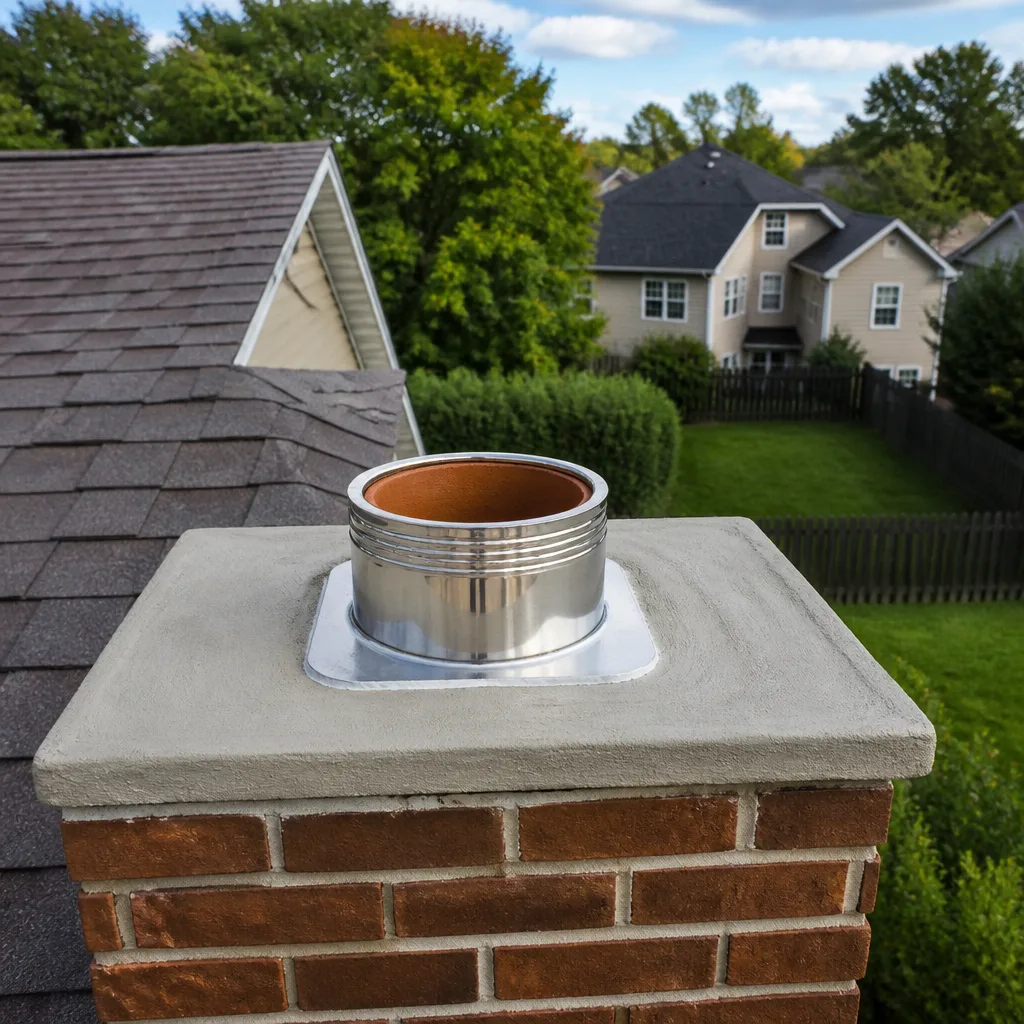 Flue relining
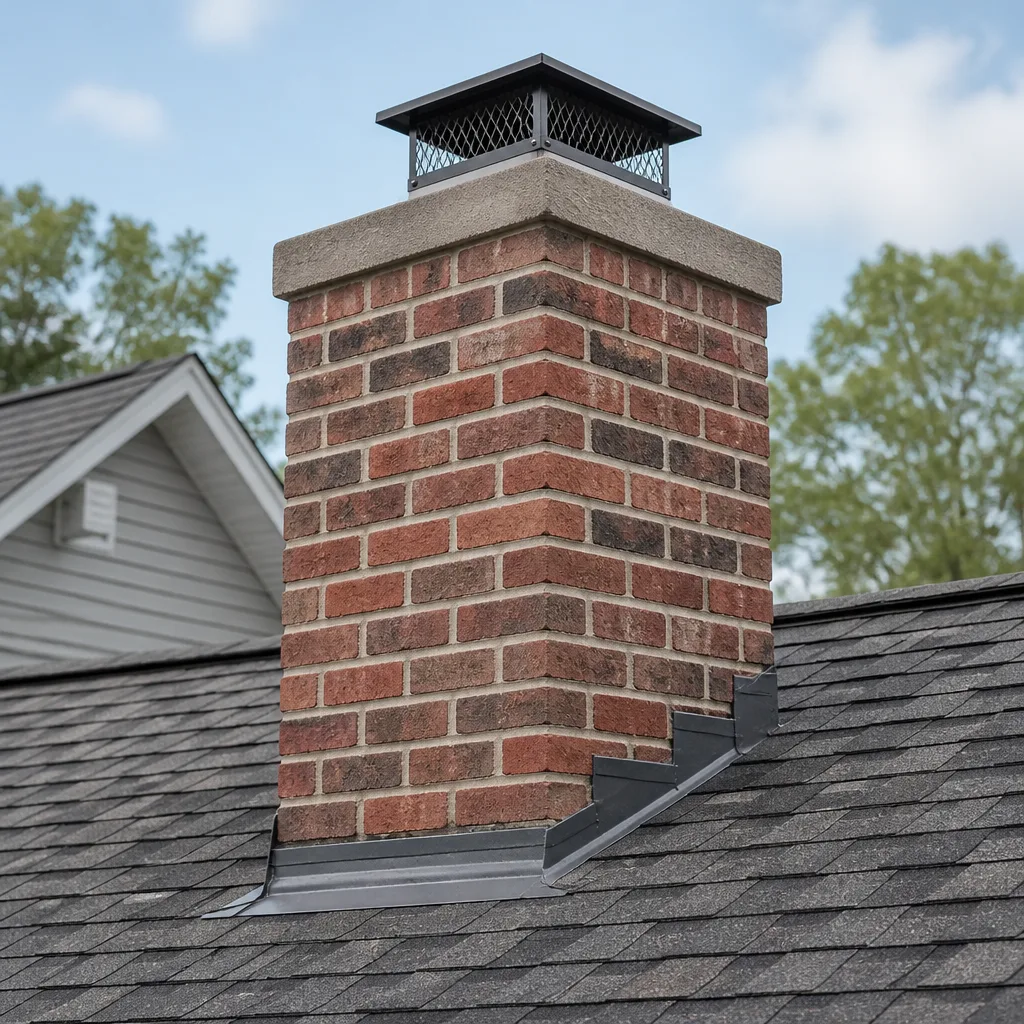 Masonry repair
Level 1 sweep and inspection to the NFPA 211 annual standard - flue, crown, cap, and flashing checked and photographed
Chimney sweep logs do not sweep chimneys. They loosen some creosote - which then falls where a brush and vacuum still have to collect it.
Why Draper Homeowners Choose HeatShield Chimney Cleaning
We provide independent HeatShield flue resurfacing and chimney cleaning service in Draper, including cast-in-place liner assessment, creosote removal, firebox repair, and Level 2 camera inspection. Our difference is that we treat HeatShield as a diagnostic tool, not a default answer: the recommendation depends on whether your existing clay tile can be saved. As an independent HeatShield service provider, we’re not affiliated with or authorized by HeatShield, and not a dealer. We’re not tied to a product quota, so nobody here gets paid to sell you a reline you don’t need.
Draper might be the hardest place in the valley to read a chimney correctly. Growth on the east side and along the freeway left a split housing stock: 1970s-90s ranches with original masonry fireplaces and drafty flues, and 2000s-2010s hillside homes with sealed direct-vent gas systems that almost never get looked at. A day on our route can start at a 1965 brick chimney close to State Street and end at a stainless liner on a view lot above the bench. That range means a sweep here has to be fluent in both old clay-tile relining and modern gas venting. Our technicians have up to 11 years of experience with exactly that spread.
Why Trust Chimney Sweep Draper for Your HeatShield Chimney Cleaning?
HeatShield products are proprietary. The insulation mix, the casting material, and the refractory mortar all work as a system, and there is no substitute part that behaves the same way. We use quality parts that fit HeatShield equipment and never swap in a generic material to save on cost. That’s not a sales line; it’s what keeps the installation honest two winters later.
Our technicians know these products from the flue side. We’ve swept liner faces that shed loose sand after a bad cure, knocked down glazed deposits a wire brush won’t touch, and pulled camera footage showing a cast liner that followed a misaligned offset it was poured over. That kind of familiarity changes what we look for during a Level 2 inspection. We also keep warranty expectations in view: serviced properly, a cast-in-place liner should not be damaged by routine sweeping, and our cleaning methods are chosen with that in mind.
Draper homes run old and new in the same run of houses, so the assessment has to be per-chimney, not per-neighborhood. We look at flue size, the appliance connection, and the liner face before we say anything about repair. Inspection first, recommendations second. If the liner is sound, we tell you so and move on to whatever the actual problem is. No pressure, no upsell attached to the sweep.
Styles & brands we work with
- Sweep & inspection
- Caps & crowns
- Flue relining
- Masonry repair
- Gas fireplace service
Common HeatShield Chimney Cleaning Problems We Fix in Draper
These are the failure modes we actually find on cast-in-place and refractory HeatShield work around Draper. Each one traces back to a decision made at install time or a condition nobody addressed afterward.
- A CeCure sleeve sized without a proper flue-sizing calculation. This is the most common problem we run into, and the most frustrating for owners because it shows up as smoke rolling into the room rather than anything visible in the chimney. A cast liner poured larger (or smaller) than the appliance’s flue collar requires gives you weak draft, and weak draft means smoke follows the pressure gradient instead of going up. On the east bench, where canyon winds push against a chimney cap, an oversized liner makes the rollback worse. The fix is usually a draft and sizing assessment, sometimes a change at the appliance connection or damper.
- A cast liner that wasn’t cured properly or was heated too fast. Fresh cast material needs a controlled, gradual first fire. Bring it up too quickly and you get hairline cracking and loose material that sheds during every sweep afterward. Owners often describe this as grit or sandy debris showing up in the firebox after a cleaning. It’s not the sweep’s fault; the liner is breaking down from the inside. Camera inspection tells you whether the cracking is cosmetic or structural.
- Missing or thin HeatGuard insulation around a cast liner. Insulation is what keeps the flue gases hot enough to rise cleanly. Skip it, or apply it too thin, and the liner face runs cool. Cool flue gas condenses, and condensed creosote glazes onto the liner. In a Draper home where the fireplace works overtime on inversion days, that glazing can build fast. Glazed third-degree creosote does not come off with a standard sweep; it needs chemical removal.
- A cast-in-place reline poured over broken or misaligned tiles. If the old flue still had offset or spalled tile, the new liner follows that shape. The result restricts the flue and creates a ledge where creosote collects. This one is invisible from the firebox. A Level 2 inspection with a camera is the only reliable way to catch it, and it’s why we run camera on relined chimneys even when the owner called about something else.
- Firebox or smoke chamber resurfacing applied too thin, spalling where water got in. HeatShield’s refractory mortar works when it has a sound substrate and a dry chimney. Coat it thin over brick that’s already absorbing water and it will spall, often within a couple of seasons. That’s a water management problem first and a mortar problem second. On the Draper bench, freeze-thaw cycles and rapid spring warm-ups make masonry shift, and an uncapped or cracked crown lets the water in to begin with.
A typical HeatShield scenario we see in Draper
A common case is a home with a cast-in-place HeatShield liner where the owner describes smoky fires and a strong creosote smell that gets worse in warm weather. A Level 2 inspection with camera usually reveals two things at once: the liner sized larger than the appliance’s flue collar requires, and glazed third-degree creosote on the liner face that a standard sweep won’t touch. The path forward is generally chemical creosote removal, then a draft and sizing assessment. Sometimes the answer is a change at the appliance connection or the damper rather than a new liner. Where the cast liner itself is sound, we leave it alone and correct the draft.
HeatShield Parts & Our Repair-vs-Replace Approach
Because HeatShield’s cast-in-place and refractory products are proprietary, substitution isn’t appropriate. We don’t keep OEM or genuine HeatShield parts in stock, and we won’t tell you we do. What we do is source quality parts that fit HeatShield equipment and install them the way the system expects.
The bigger decision is whether a cast liner is warranted at all. A sound clay flue with minor joint cracks often needs repointing, not a full reline, and we say so. HeatShield joint repair and flue resurfacing materials handle that situation well. When the flue is badly compromised, deep spalling, displaced tiles, or structural cracking, a new stainless liner from DuraFlex or Gelco is usually the better call than pouring cast material over a failing substrate. If the firebox and smoke chamber are the problem and the flue is intact, refractory resurfacing makes sense on its own.
Our approach is to walk you through the camera footage and let you see what we see before any recommendation lands. Call (866) 947-8303 for a free estimate and an honest read on repair versus replacement.
Our HeatShield Service Process – Step by Step
- 1
Diagnosis. A Level 2 inspection with camera comes first, every time. We check flue size against the appliance, look for loose material or hairline cracking on a cast liner, check whether HeatGuard insulation is present, and confirm the tiles under any existing reline are aligned. Creosote gets graded, not just noted.
- 2
Repair or install. Depending on what the footage shows, the work lands in one of a few places: chemical creosote removal on a glazed liner face, joint repair and resurfacing on cracked clay tile, refractory mortar for a spalling firebox or smoke chamber, a draft correction at the appliance connection or damper, or a cast-in-place reline where the clay truly can’t be salvaged. Where a reline is warranted, HeatShield CeCure with HeatGuard insulation goes in only after the flue is sized correctly.
- 3
Test. After any repair or reline, we cure the material with a controlled first fire and recheck draft under real conditions, including the canyon wind effect that shows up on the Draper bench. A liner that passes on a still day and fails in a gust isn’t fixed.
- 4
Warranty. We explain exactly what service methods preserve your HeatShield warranty and what would void it, so you know before we finish. Anything the warranty needs in writing, you get in writing.
See the difference
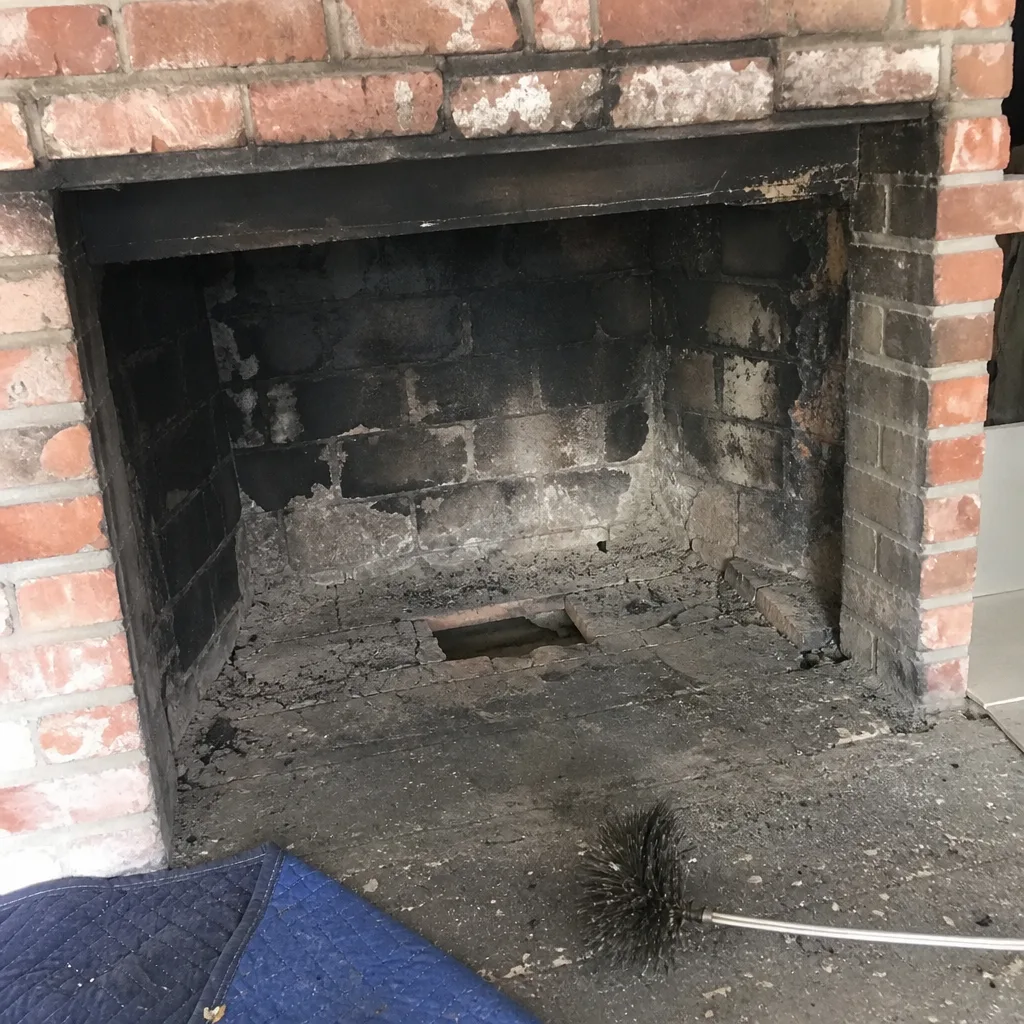 Before
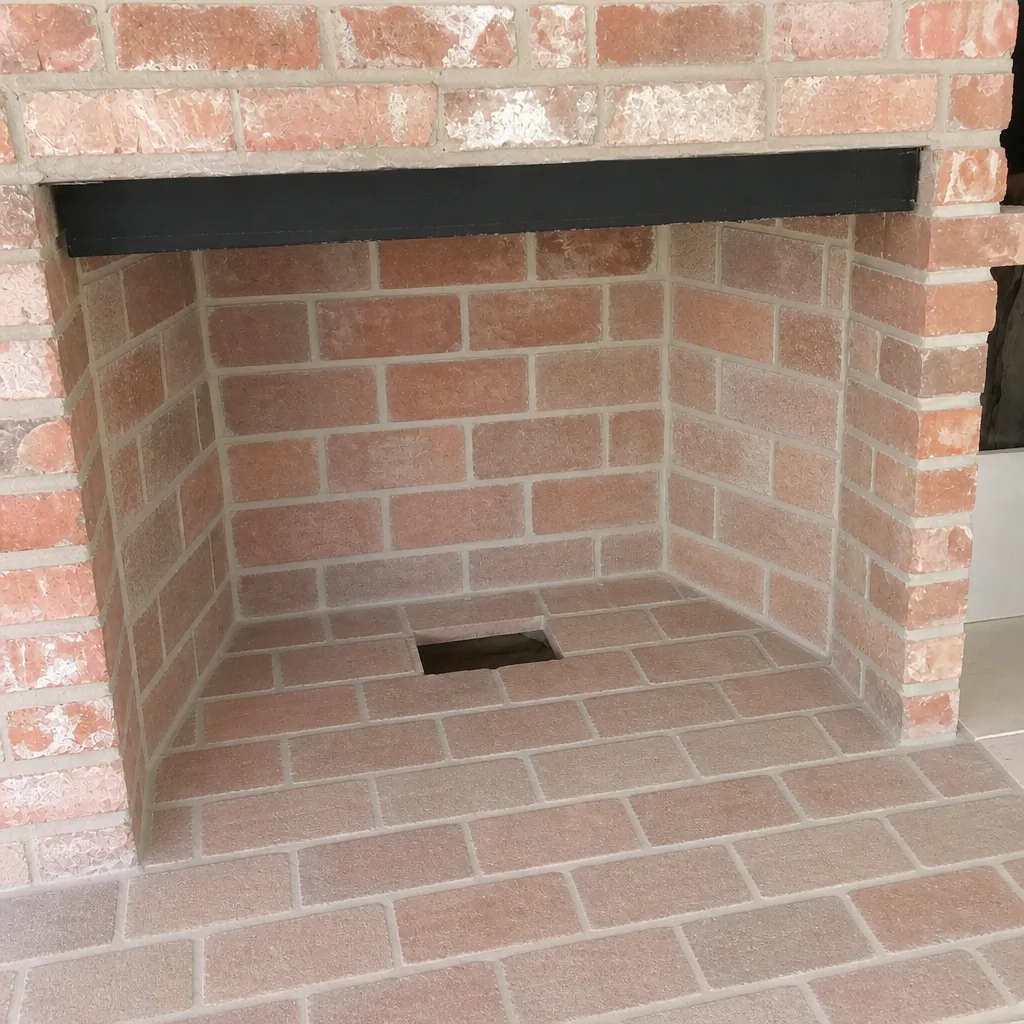 After
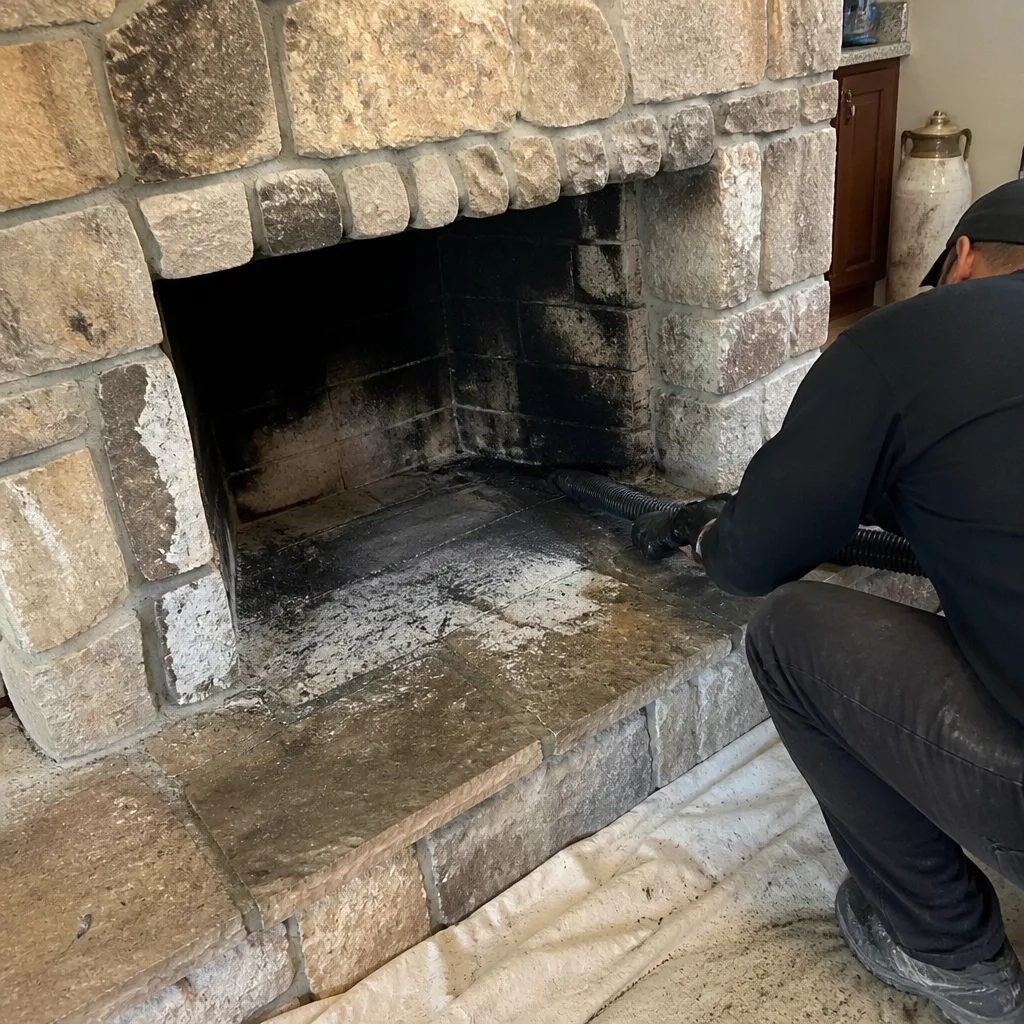 Before
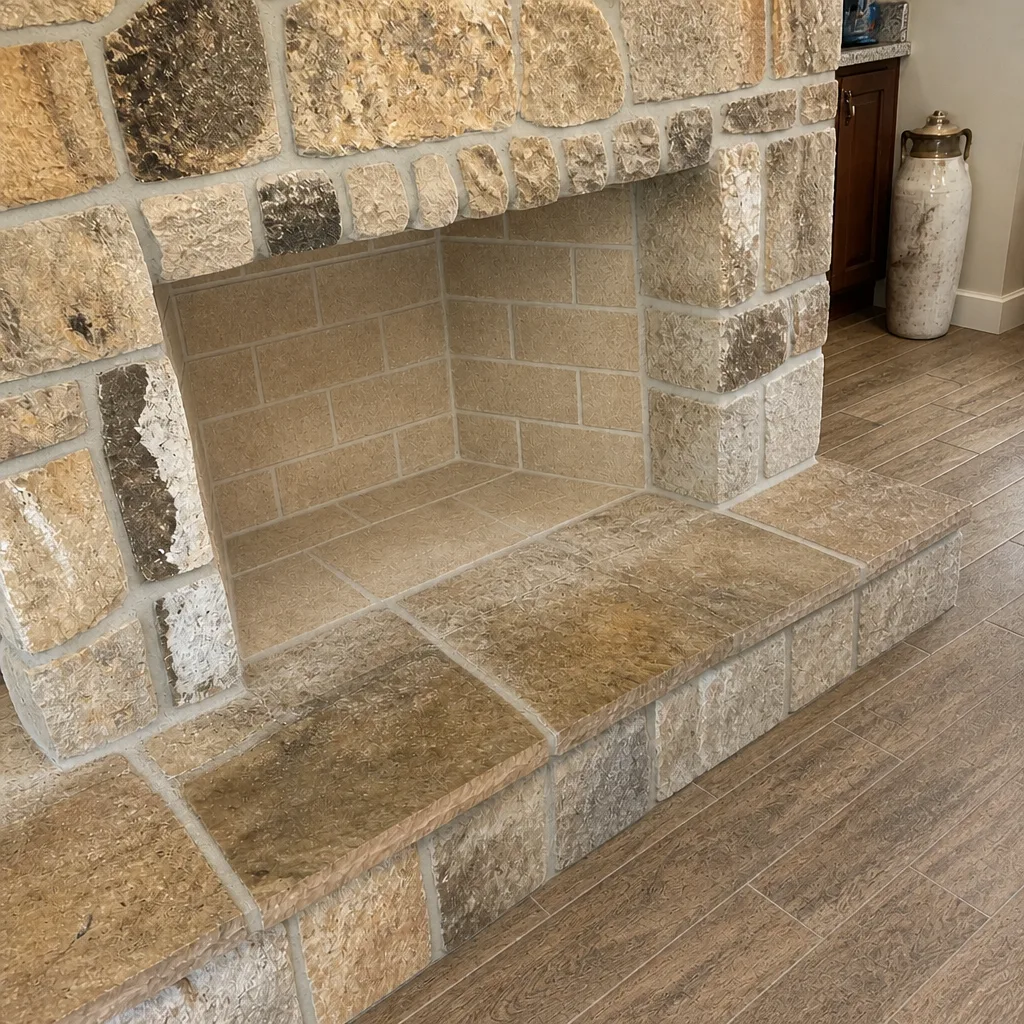 After
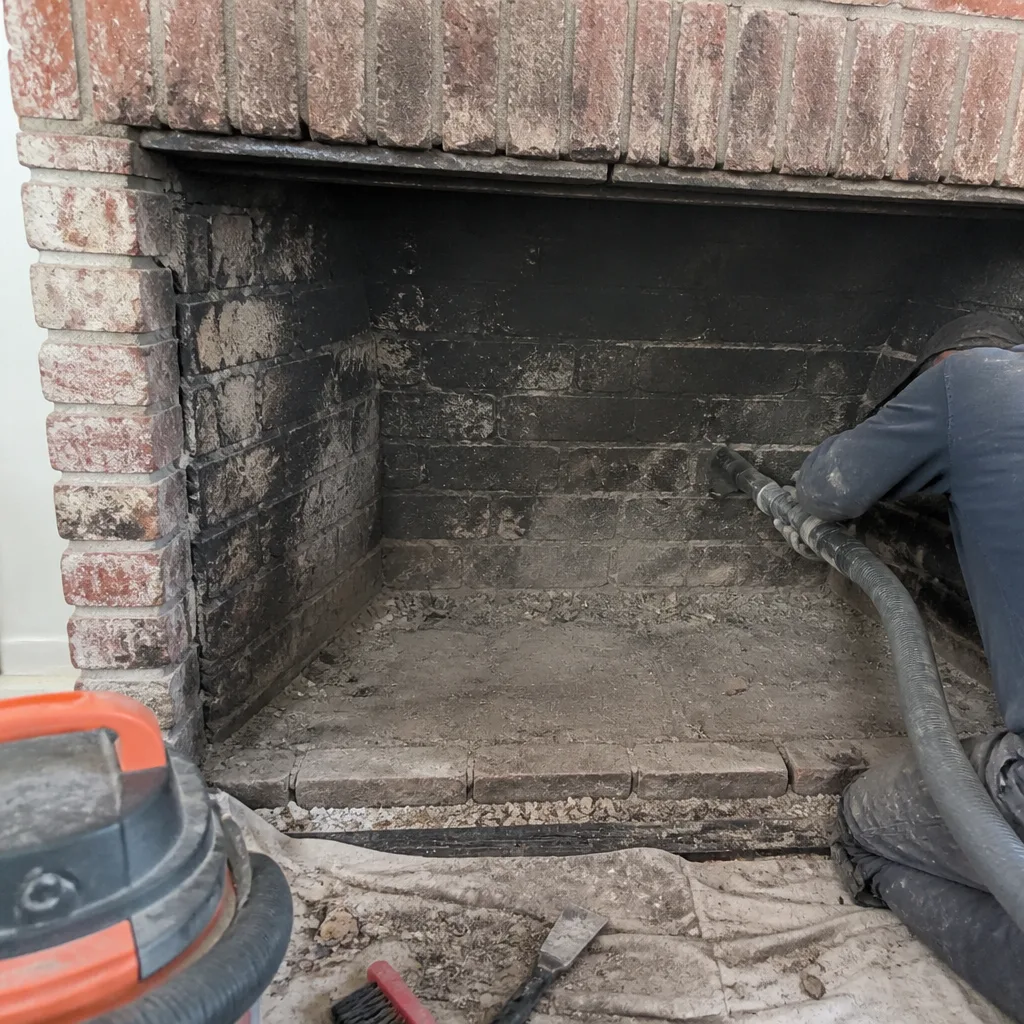 Before
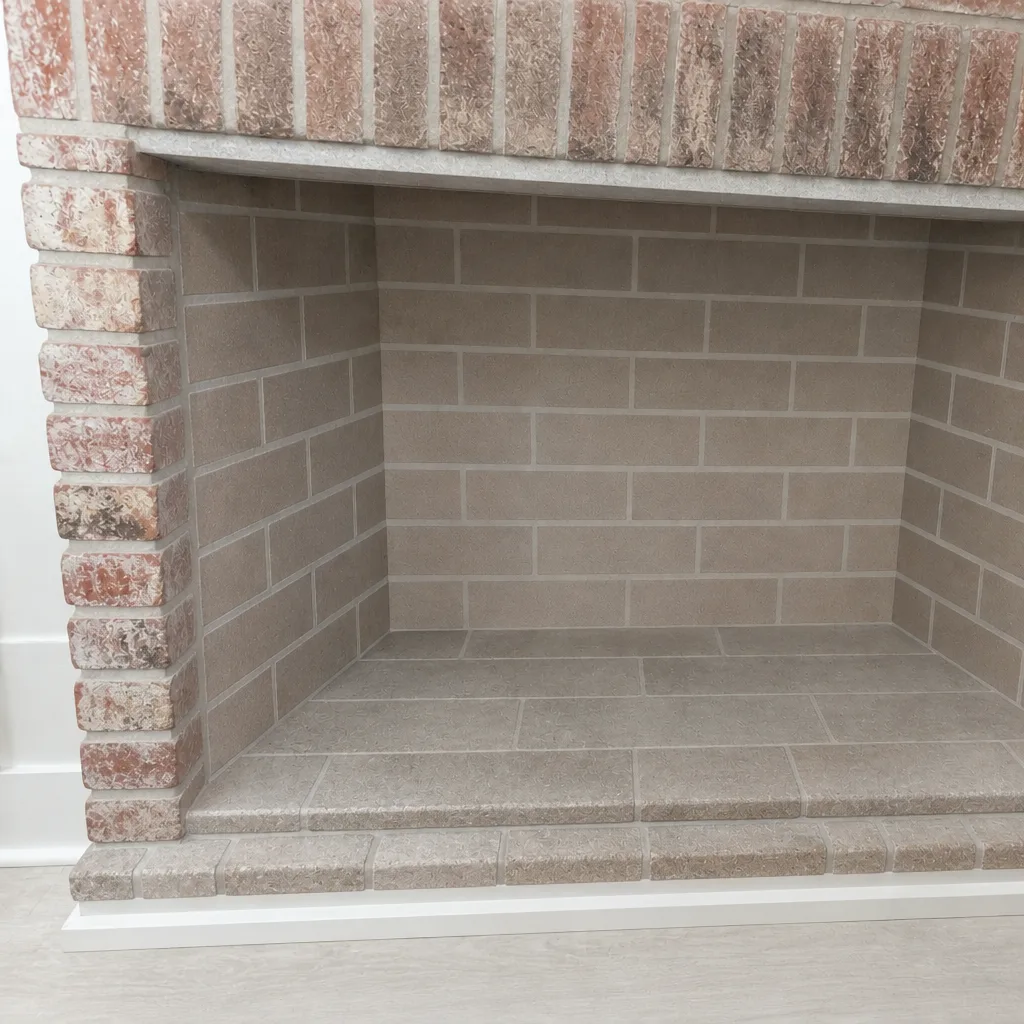 After
HeatShield Products We Service & Install in Draper
We work on the cast-in-place and refractory side of HeatShield, which is where most of the real decisions live. That includes the CeCure sleeve, the cast-in-place insulating liner system used to reline a cracked or spalled clay flue. We install and service HeatGuard insulation mix around cast liners, since insulation thickness directly controls draft and creosote buildup. We handle HeatShield resurfacing and refractory mortar work for firebox and smoke chamber repair, plus joint repair and flue resurfacing materials for cracked clay tile. We service existing HeatShield installations as well, including diagnosing draft complaints, crumbly liner faces, and loose material before deciding whether the liner needs work at all. We don’t claim to stock HeatShield products. We diagnose, repair, install, and service them.
We Also Service These Brands
We’re a full-system chimney company, not a single-brand shop, and that matters when the honest answer isn’t HeatShield. We install and service DuraFlex flexible liner systems for complex or offset flue configurations that rigid liners can’t negotiate, and we work with Gelco on stainless relining where the clay is too far gone for cast material. Olympia Chimney, Famco, and Copperfield round out the professional-grade lineup we work with for caps, crowns, and liners.
FAQs – HeatShield Chimney Cleaning Service in Draper
No. We are an independent HeatShield service provider, not authorized, factory-trained, or certified by HeatShield, and not a dealer. We work with HeatShield products because they’re the right tool in specific situations, not because we’re obligated to. Call (866) 947-8303 to talk through your system.
Yes. We use quality parts that fit HeatShield equipment and avoid generic substitutions, because the proprietary materials in a cast-in-place system don’t behave the same way when swapped out. We’ll tell you plainly which components we recommend and why before any work starts.
Most jobs run a single visit for inspection and cleaning, while a cast-in-place reline or firebox resurfacing is a longer, scheduled job because the material has to cure on a controlled schedule. We’ll give you a realistic timeline with the written estimate, not a guess over the phone. Call (866) 947-8303 to book an inspection and get an exact scope.
We cover the CeCure sleeve, HeatGuard insulation for cast liners, the resurfacing and refractory mortar system for firebox and smoke chamber repair, and joint repair and flue resurfacing materials for cracked clay tile. If you’re unsure which of these applies to your chimney, the Level 2 inspection answers that.
Proper service should not void a HeatShield warranty, but the wrong method can. Aggressive mechanical cleaning on a freshly cured cast liner, for example, can damage a surface a gentler method would leave intact. We explain what the warranty needs and use methods that preserve it. Call (866) 947-8303 if you have warranty paperwork you want us to review before we start.
Yes, in a few specific ways: the liner face is smoother but more vulnerable to damage from tools, and it can develop glazed creosote that a standard sweep won’t remove. We adjust the method to the liner rather than treating it like bare clay tile.
The most common cause is an oversized or undersized liner installed without a proper flue-sizing calculation, which weakens draft. Insufficient insulation or a flue offset the liner followed can do the same. A camera inspection and draft assessment sorts out which one applies. Call (866) 947-8303 for a free estimate.
Yes, especially where insulation is thin or missing and the liner face runs cool. That glazing needs chemical removal, not a wire brush. Left alone, it’s a chimney fire risk, and we won’t sell you a sweep that can’t actually address it.
Only if the water source is addressed first. Mortar over brick that’s absorbing water will spall again within a couple of seasons. We look at the crown and cap before recommending firebox mortar. Call (866) 947-8303 to have both checked at once.
Usually not with confidence. Crumbling debris in the firebox or a creosote smell in warm weather can hint at it, but loose material, hairline cracking, and offset issues only show up on camera. The outside of the chimney tells you about the crown and cap, not the liner.
Chimney cleaning with a camera inspection typically falls somewhere around the low hundreds of dollars, and HeatShield-specific work like creosote removal, joint repair, or firebox resurfacing is quoted per job because scope drives the price. The written estimate sets the final number, and the estimate itself is free. Call (866) 947-8303 for an exact quote, and don’t let anyone quote a reline before they’ve shown you the flue on camera.
Book Your HeatShield Service in Draper, UT
If your Draper home has a cast-in-place liner, a spalling firebox, or draft problems you can’t pin down, we’ll inspect it with camera and tell you what the footage shows. One company from sweep to repair means the assessment and the fix aren’t split between two contractors. Call (866) 947-8303 for a free estimate. We answer 24/7. Fast dispatch from 7am to 7pm, Sunday through Friday.
Written by the team at Chimney Sweep Draper.