
Last updated November 24, 2026
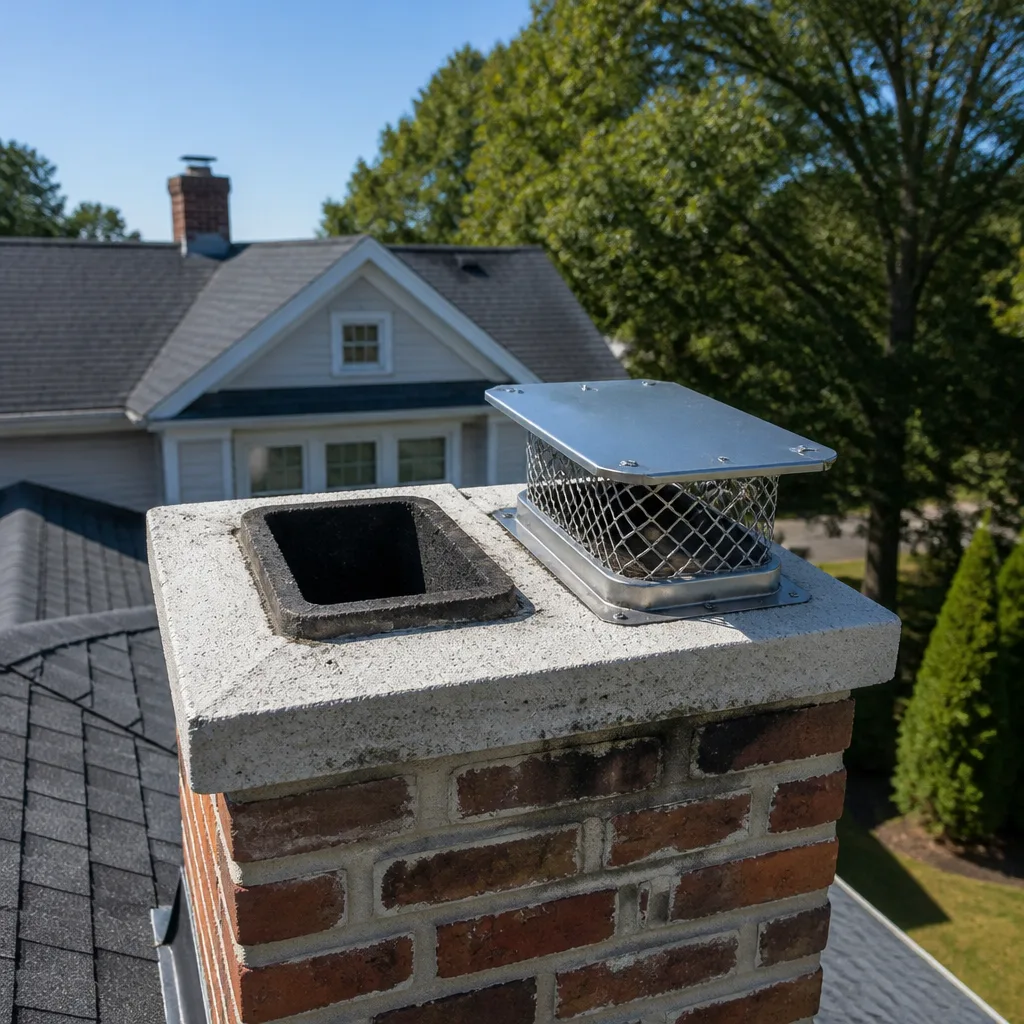 Sweep & inspection
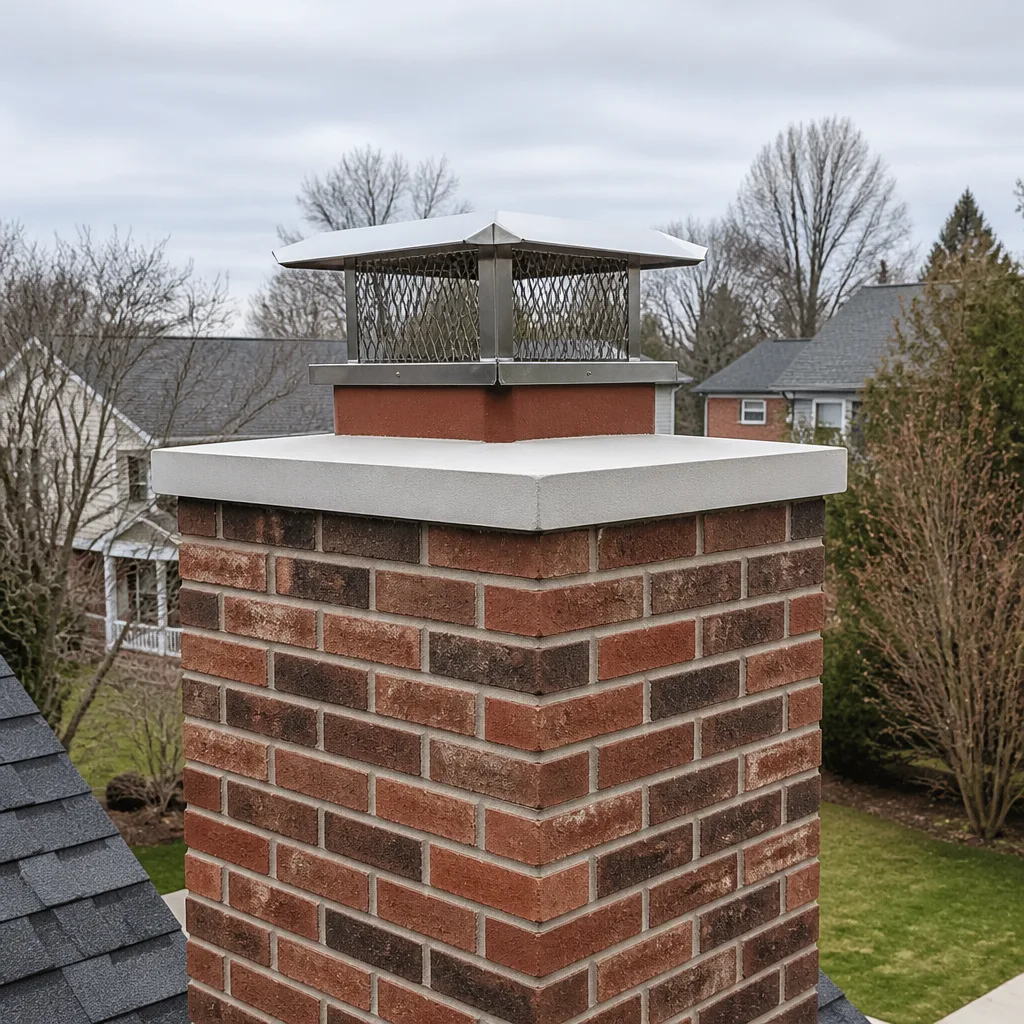 Caps & crowns
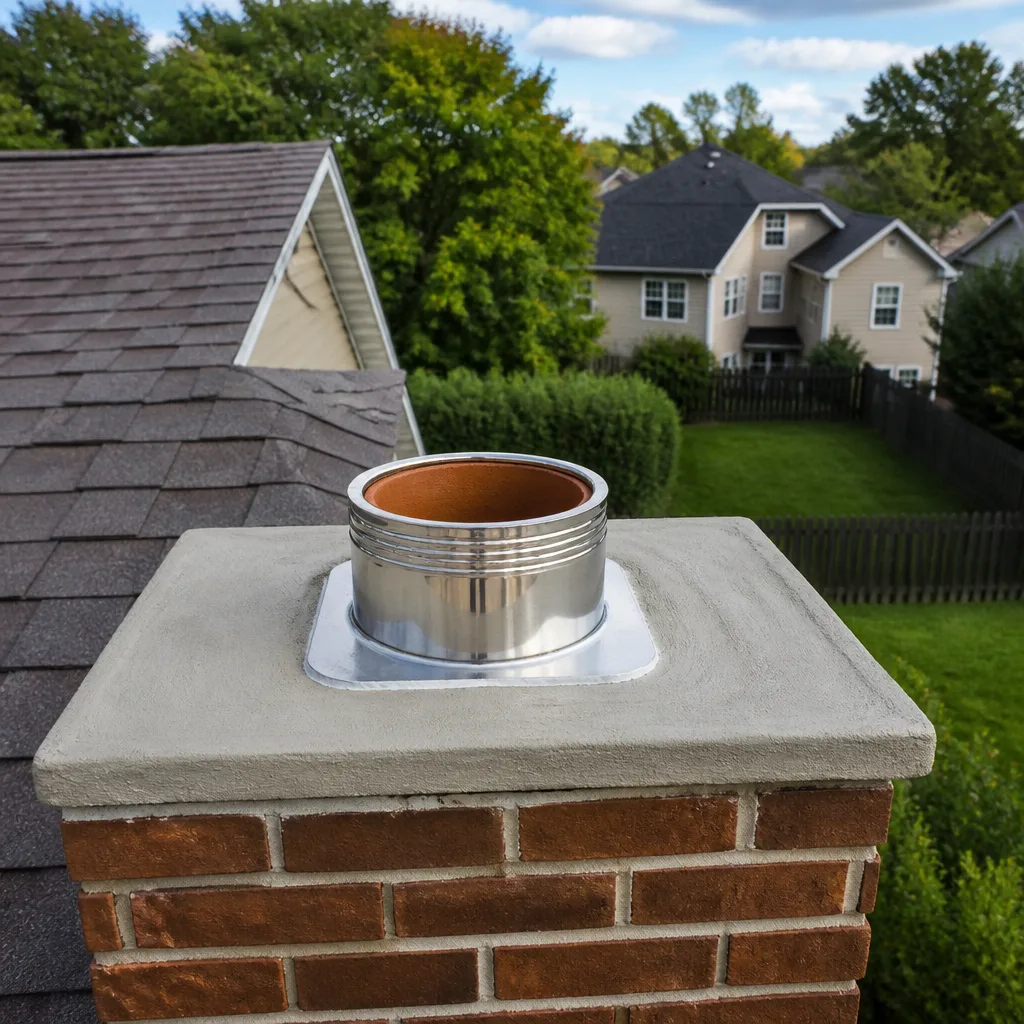 Flue relining
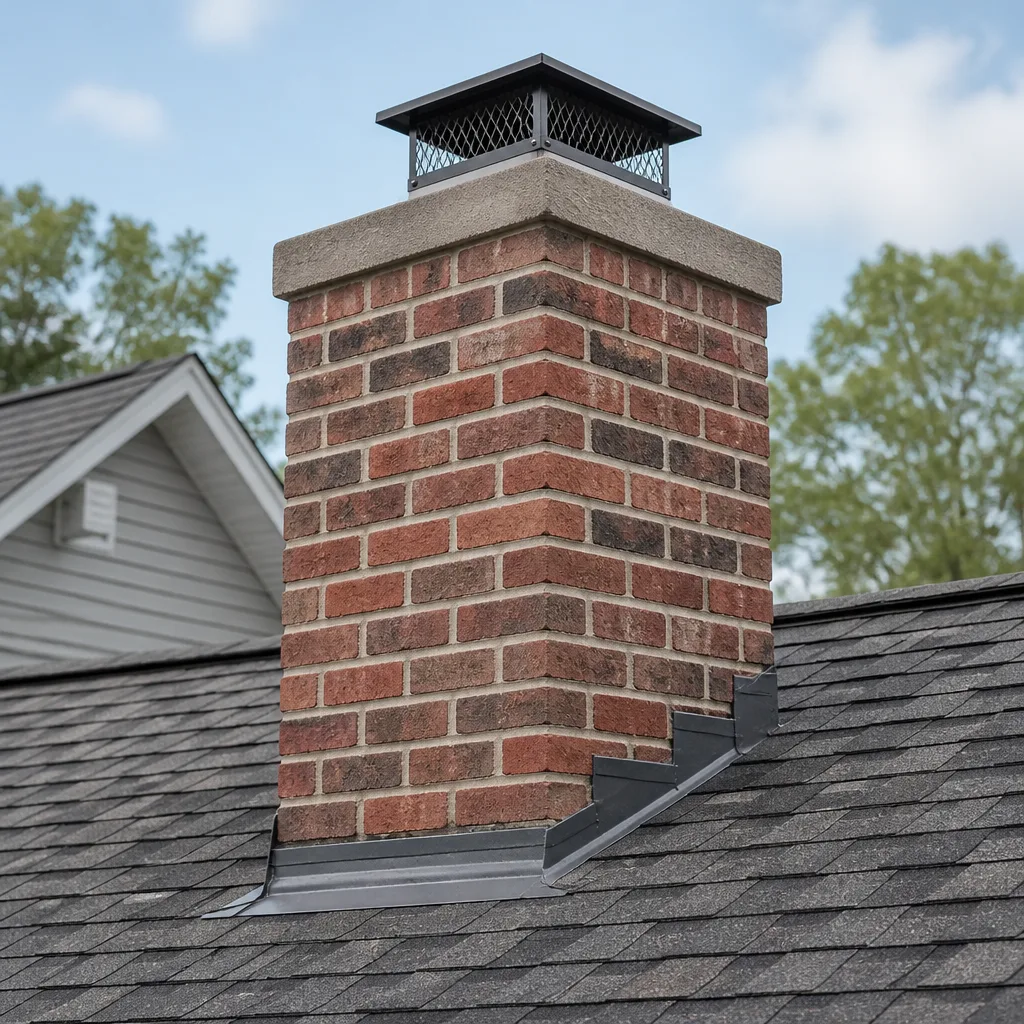 Masonry repair
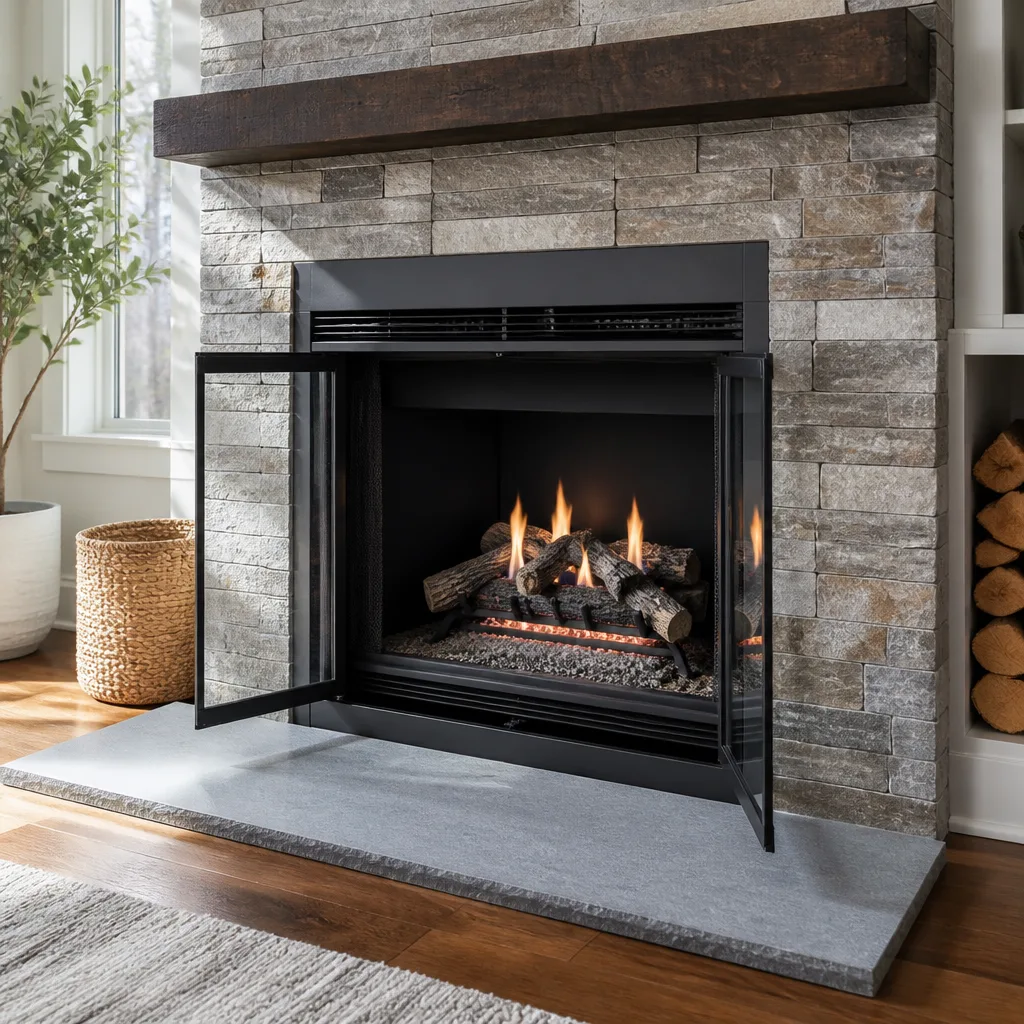 Gas fireplace service
Level 1 sweep and inspection to the NFPA 211 annual standard - flue, crown, cap, and flashing checked and photographed
Chimney sweep logs do not sweep chimneys. They loosen some creosote - which then falls where a brush and vacuum still have to collect it.
How to Hire a Chimney Cleaning Contractor in Draper: A Step-by-Step Guide
A five-star review tells you a company is likable. It tells you nothing about whether they can tell a Stage 2 creosote deposit from a Stage 3 one, and that difference decides whether a standard sweep is enough or whether the flue needs glazed creosote removal before it’s safe to burn again. Chimney work has almost no barrier to entry. Anyone with a brush and a van can print “certified” on a business card, and the credentials that actually matter are rarely advertised where you’d see them. This guide walks through how to filter a chimney contractor on substance: what real certification verifies, the five questions to ask before booking, how to read a quote on scope instead of price, and what to verify before anyone steps on your roof in Draper.
Quick Answer
Hire a chimney contractor in Draper by confirming four things before you book: current CSIA certification, a certificate of liability insurance you can verify, a camera-based inspection with a written report, and a written estimate before any repair is authorized. Verify the credentials directly with the issuing body or the contractor’s insurer, not from a logo on a website. Then compare quotes on scope, not price, because the cheapest bid usually buys the least work.
Styles & brands we work with
- Sweep & inspection
- Caps & crowns
- Flue relining
- Masonry repair
- Gas fireplace service
Table of Contents
- Why Hiring a Chimney Contractor in Draper Is Harder Than It Looks
- What Chimney Credentials Actually Verify
- The Five Questions to Ask Before You Book
- How to Verify Insurance Before Anyone Goes on the Roof
- Red Flags Specific to Low-Bid Chimney Companies
- How to Compare Chimney Quotes on Scope, Not Price
- Liner Decisions: Where Cheap Work Costs the Most
- Draper Weather, Wood Burning, and Your Inspection Schedule
Why Hiring a Chimney Contractor in Draper Is Harder Than It Looks
Chimney sweeping is one of the few home services where the person doing the work may have no verifiable training at all. There is no single national license for chimney sweeps, and most states, Utah included, don’t license the trade as a standalone category the way they license electricians or plumbers. That means the barrier to entry is a brush, a ladder, and a business name. It doesn’t mean every sweep in Draper is unqualified. It means the burden of checking falls on you, because nobody upstream is checking for you.
That gap is why marketing language fills the void. “Certified,” “licensed,” and “insured” get used loosely across the trade. A company can be genuinely insured and genuinely competent and still have no third-party certification, and a company can plaster certification badges on a website with nothing behind them. In our experience, the honest operators are the ones who volunteer their credentials before you ask and can point you to where those credentials can be checked.
Draper adds a wrinkle. The city has a wide mix of housing stock, from older homes near the historic core to newer construction up against the east bench, and the chimney systems differ enormously between them. A mid-century masonry fireplace with an unlined or clay-tile flue needs a completely different conversation than a modern home with a factory-built metal system. A contractor who gives every house the same pitch hasn’t looked at your chimney. Full-system chimney service means the person assessing your Draper home understands both.
A proper Chimney Sweep Draper visit starts with inspection, not a brush.
The practical takeaway: assume nothing transfers from a star rating to technical competence. Ask, verify, and compare scope. The rest of this guide shows you how.
What Chimney Credentials Actually Verify
The credential worth knowing is the CSIA Certified Chimney Sweep designation, issued by the Chimney Safety Institute of America. It’s a real, testable, renewable certification. A current CSIA certification verifies that the individual passed an exam on chimney and venting fundamentals and has agreed to a code of ethics, and it’s tied to a specific person, not just a company logo. When a company claims it, ask which technician holds it and confirm the certification is current, because CSIA credentials require renewal and can lapse.
The National Fireplace Institute, or NFI, is a separate credential focused on hearth appliances rather than sweeping. An NFI certification verifies knowledge of how wood, pellet, and gas appliances are installed and vented. If your home has a gas fireplace or a wood stove insert, an NFI-certified technician’s knowledge is directly relevant to whether that appliance is venting safely.
What these credentials verify:
- That a specific individual passed an exam covering chimney and venting fundamentals.
- That the credential is current and subject to renewal, not a one-time sticker.
- That the holder has agreed to a professional code of ethics.
- For NFI, working knowledge of hearth appliance installation and venting.
What they do not verify:
- Insurance. Certification says nothing about whether the company carries liability coverage, and that’s a separate check.
- Liner installation experience on your specific flue configuration. A certified sweep may still be new to offset or complex relining.
- That the badge on a website belongs to the company at all.
That distinction matters in Draper, where the housing mix produces real variation in flue design. Ask which certifications are held, by whom, and confirm them with the issuing body. Certification is a starting filter, not a finish line.
The Five Questions to Ask Before You Book
These five questions separate a professional operation from a brush-and-van. Ask them before you schedule, and treat evasive answers as answers.
- Who holds the CSIA certification, and is it current? A real answer names the credential and offers to let you verify it. A vague “we’re fully certified” without specifics is a non-answer. CSIA certification is verifiable with the issuing body, so ask how to check.
- Can you provide a certificate of liability insurance? Ask for the certificate, not a verbal assurance. Then call the number on the certificate to confirm the policy is active. Anyone working on a roof or inside a flue should carry liability coverage, and the certificate is how you confirm it exists.
- Do you use a camera, and do I get the footage? Camera inspection is the difference between guessing and knowing. A company that inspects with a camera can show you what’s inside the flue rather than describing it. Ask whether the footage or photos come to you, and whether you get a written report.
- Will I get a written report and a written estimate before any repair? The inspection should produce documentation: what was found, what condition it’s in, and what, if anything, needs work. Any repair should be estimated in writing and authorized by you before it starts. No written estimate, no work.
- What materials do you use for liner and repair work? Ask for brand names. Professional chimney contractors work with recognized industry brands like DuraFlex, HeatShield, Gelco, and Olympia Chimney. A contractor who can’t name the products they install, or who reaches for generic substitutes, is telling you something about how they repair.
In Draper, question three and question four tend to separate the field fastest. A contractor who inspects with a camera and hands over a written report is doing a fundamentally different job than one who sweeps, says “looks fine,” and leaves. Inspection first, recommendations second is the process to look for. A standalone inspection is worth asking about on its own, because it lets you get an honest assessment without a cleaning bundled into it.
You can see how a standalone chimney sweep and inspection are structured before you book.
How to Verify Insurance Before Anyone Goes on the Roof
Roof work and flue work carry real risk to your home, and the last thing you want is a ladder incident or a damaged crown landing as your problem. Insurance verification is the step homeowners skip most often, and it’s the easiest to do properly.
Here’s the sequence:
- Ask for the certificate of insurance before the appointment. Any legitimate contractor can produce one. It names the policyholder, the insurer, the policy limits, and the dates the coverage is active.
- Check the policy dates. An expired certificate is worse than none, because it suggests the paperwork is being handled carelessly. Confirm the policy is current for the date of your appointment.
- Call the insurer directly. Use the phone number printed on the certificate, not a number the contractor gives you. Ask the insurer to confirm the policy is active and the limits are what the certificate shows. This is a five-minute call that protects you.
- Confirm general liability coverage exists. That’s the coverage that responds if your home is damaged during the work. Ask specifically what the certificate covers rather than accepting a general “we’re insured.”
- Ask about workers’ compensation if anyone other than the owner will be on your property. If a helper is injured at your home, workers’ comp is the coverage that protects you from being caught in it. Ask whether it’s in place.
On minimum limits, the specific figure that’s right for you depends on your home and your comfort with risk, so this is a conversation to have with your own insurer rather than a number to copy from a guide. The important thing is that coverage exists, is current, and responds to damage to your property. Verify it before anyone climbs a ladder in Draper.
One more layer: ask whether the work is subcontracted. If a company hands repair work to a separate crew, your insurance verification needs to cover the people actually on your roof. A company that handles sweeping, inspection, and repair under one roof keeps that chain short. The chimney repair side of the trade is where subcontracted chains cause the most confusion.
Red Flags Specific to Low-Bid Chimney Companies
A low bid is a signal, not a deal. Several patterns show up again and again in the chimney trade, and knowing them makes a quote easier to read.
- The “inspection plus cleaning” flat-rate bundle. These are priced to move, and the “inspection” is often a glance, not a camera assessment. If the cheap bundle skips the camera inspection, you’re paying for a cleaning and getting none of the diagnostic information that matters.
- Upsell pressure during the job. A technician who arrives for a sweep and immediately calls you into a conversation about a problem the camera just happened to find, before you’ve seen any footage, is telling you the sales pitch came with the van. Recommendations should follow evidence, not precede it.
- No written estimate before repair work. If work is started before you’ve approved a written price, stop the job. The written estimate is the one piece of paperwork that protects you.
- Vague or unverifiable certification claims. Badges on a website with no named certification and no way to check it are decoration. Ask what’s held, by whom, and how to verify.
- Failure to provide an insurance certificate when asked. There is no good reason for this. A current certificate is easy to produce.
- Unwillingness to name the materials they install. If a repair requires a liner and the contractor can’t tell you which brand and system they use, you can’t compare their scope to anyone else’s, and they may be reaching for whatever is cheapest.
- Quotes that don’t match line for line. A quote that lumps everything into one figure hides whether the inspection, the cleaning, and any repair are all actually included. Get it itemized.
None of these require you to be suspicious of everyone. They require you to ask for documentation and read it. The contractors worth hiring tend to lead with the paperwork anyway.
How to Compare Chimney Quotes on Scope, Not Price
Two quotes for “chimney cleaning” can describe completely different jobs. Comparing them by price alone is how homeowners end up paying twice. Compare them line by line against the scope below.
- Inspection method. Does the quote include a camera inspection, or a visual check from the firebox? These are not the same thing, and the camera is the one that finds what a glance misses.
- Cleaning scope. Is the flue swept, or is the firebox and smoke chamber also addressed? Is the work done with drop cloths and a vacuum that controls dust in the house?
- Written report. Is a written assessment included, and do you get the camera footage or photos?
- Condition findings. Does the quote document what was found, including creosote staging, cracks, or gaps at the flue joints?
- Repair scope and materials. If repair is proposed, is it itemized, and are the materials named (DuraFlex, HeatShield, Gelco, or Olympia Chimney, for example)? A repair quote that names a system lets you compare it to another contractor’s.
- What’s excluded. A good quote says what it doesn’t cover. Crown work, cap installation, and masonry repair are separate scopes and should be priced as such.
- Who does the work. Is the repair done by the same company, or subcontracted out? Subcontracting isn’t inherently wrong, but you should know, and the insurance check should follow the people doing the work.
Compare each quote against that list and the cheapest bid usually reveals itself as the narrowest one. Full-system chimney service means one company can move from a sweep to a repair without handing you off, which keeps the scope continuous and the accountability clear. The cheapest quote is often just the one that does the least.
Liner Decisions: Where Cheap Work Costs the Most
The flue liner is where the trade separates. A liner that’s cracked, gaping at the joints, or missing entirely is a safety issue, and relining is the most consequential repair a homeowner will be quoted. It’s also where a low-bid contractor’s limits show up.
In our experience, many sweep-only companies can identify that a liner needs work but can’t perform the relining themselves. That’s not a knock on a good sweep, but it means the recommended work gets subcontracted or simply not done. A company that handles liner work directly can evaluate your specific flue configuration and choose the right system.
Two systems are worth understanding when you’re comparing scope:
- HeatShield. This is a flue resurfacing system, a specialized repair that restores a damaged liner rather than replacing it. Where the existing liner is structurally sound enough to resurface, HeatShield can extend its life without a full reline. Many sweep-only competitors can’t offer it, which means their only option is the more expensive one. Ask directly whether resurfacing is appropriate for your flue, and expect the answer to be evidence-based, not automatic.
- DuraFlex. This is a flexible liner system, and it matters for complex or offset flue configurations where a rigid liner won’t route. An offset flue is common in older masonry chimneys, and a rigid system can’t make the turns. DuraFlex lets a proper reline happen in a flue that a rigid system would have to skip.
The right question isn’t “how much does a liner cost.” It’s “what’s actually wrong, and what’s the least invasive repair that fixes it.” A contractor who can offer resurfacing where it’s appropriate and a flexible reline where it isn’t has real choices to make. A contractor with only one tool makes one recommendation. Built to last, not patched to pass, means the repair addresses the flue you have.
Draper Weather, Wood Burning, and Your Inspection Schedule
Draper’s winters drive a real wood-burning season, and the shoulder seasons are when chimneys accumulate the conditions that matter. Cold snaps and inversions in the valley can trap smoke and reduce draft, which pushes more creosote onto flue walls during the burn months. Spring and fall are the practical windows for an inspection, before the burning season starts, so any repair work is complete before you need the fireplace.
The schedule that matters:
- Annual inspection and sweep if you burn wood regularly. A yearly assessment catches creosote buildup before it stages up. Creosote has stages, and Stage 3 glazed creosote is a different job than a routine sweep.
- Annual inspection even if you burn occasionally. Low use still deposits creosote, and an inspection catches liner cracks and gaps that have nothing to do with how much you burn.
- An inspection when you move into a Draper home. Inherited chimneys carry inherited problems, and the previous owner’s maintenance history is unknown. A standalone inspection before your first fire is worth doing.
- An inspection after any chimney fire, however small. A chimney fire can damage the liner in ways that aren’t visible from the firebox.
- An inspection if you notice draft problems, smoke rollback, or a strong odor. These are signs the system is telling you something.
Draper’s housing mix makes the schedule personal. Older masonry chimneys and newer factory-built systems wear differently, and the inspection is where that difference gets documented. If you’re weighing a full fireplace repair against a simpler fix, the inspection report is the document that tells you which applies.
Common Mistakes to Avoid
- Booking on star rating alone. Reviews measure likability and responsiveness, not technical competence. Ask about certification and insurance regardless of how good the reviews look.
- Skipping the insurance check. Ask for the certificate and call the insurer. This is a five-minute task that many Draper homeowners skip, and it’s the one that protects you if something goes wrong on your roof.
- Accepting a verbal “it’s fine” after a sweep. Ask for the camera footage and the written report. No documentation means no way to verify what was found or what was missed.
- Letting the low bid win on price alone. Compare quotes scope by scope. A cheap quote that omits the camera inspection and the written report is a smaller job, not a better deal.
- Authorizing repair before the written estimate. Never let work begin on a verbal price. The written estimate is your protection.
- Assuming all “certified” claims are equal. CSIA certification is verifiable with the issuing body. A badge on a website isn’t. Ask which certification, held by whom, and how to check.
- Putting off the inspection because the fireplace seems fine. A chimney that drafts well can still have a cracked liner or staged creosote. The inspection is the only way to know.
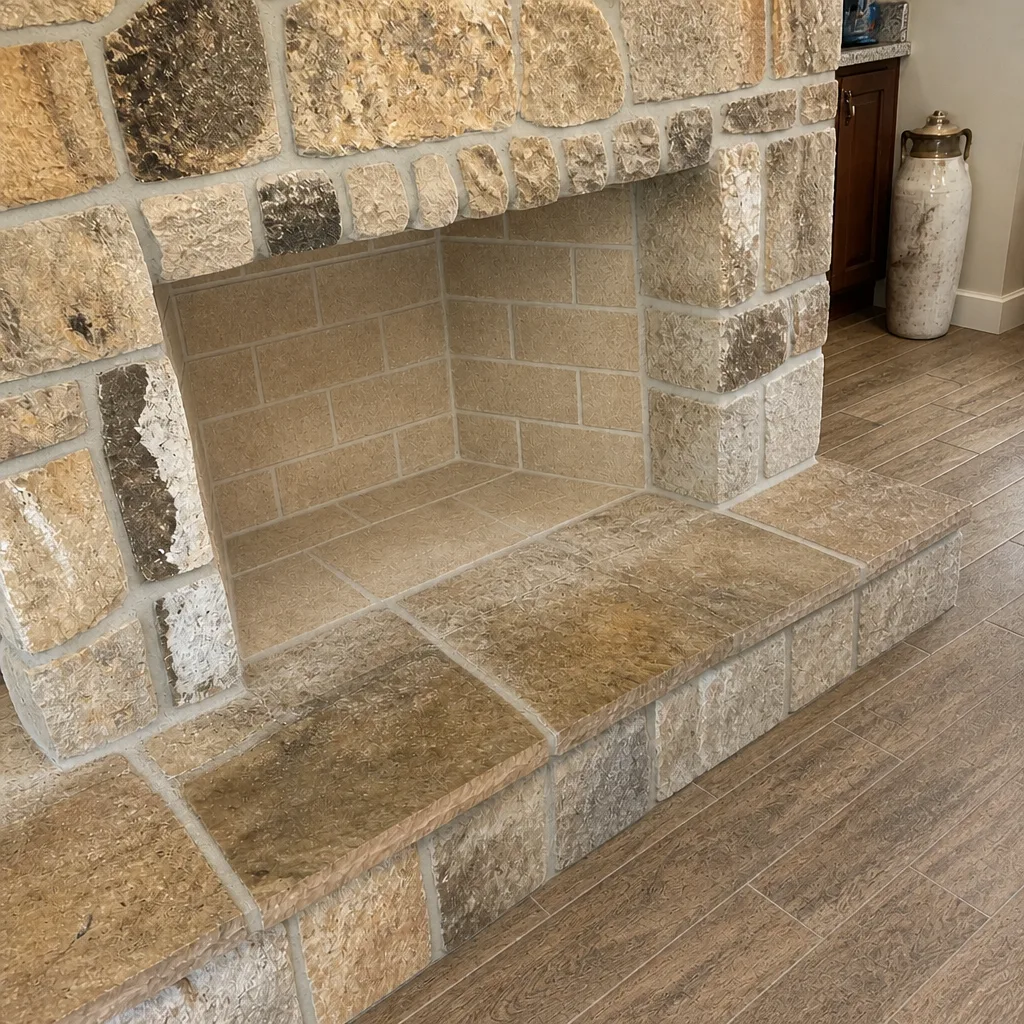
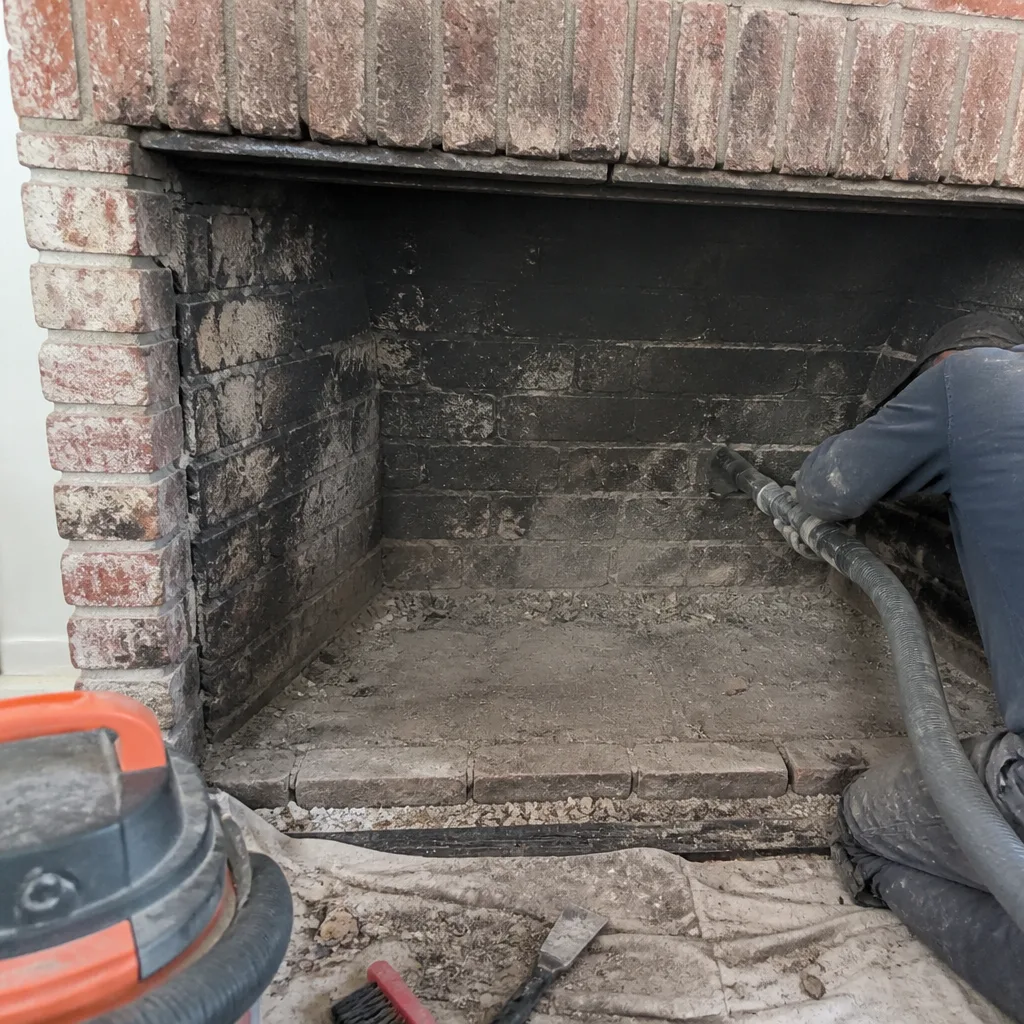
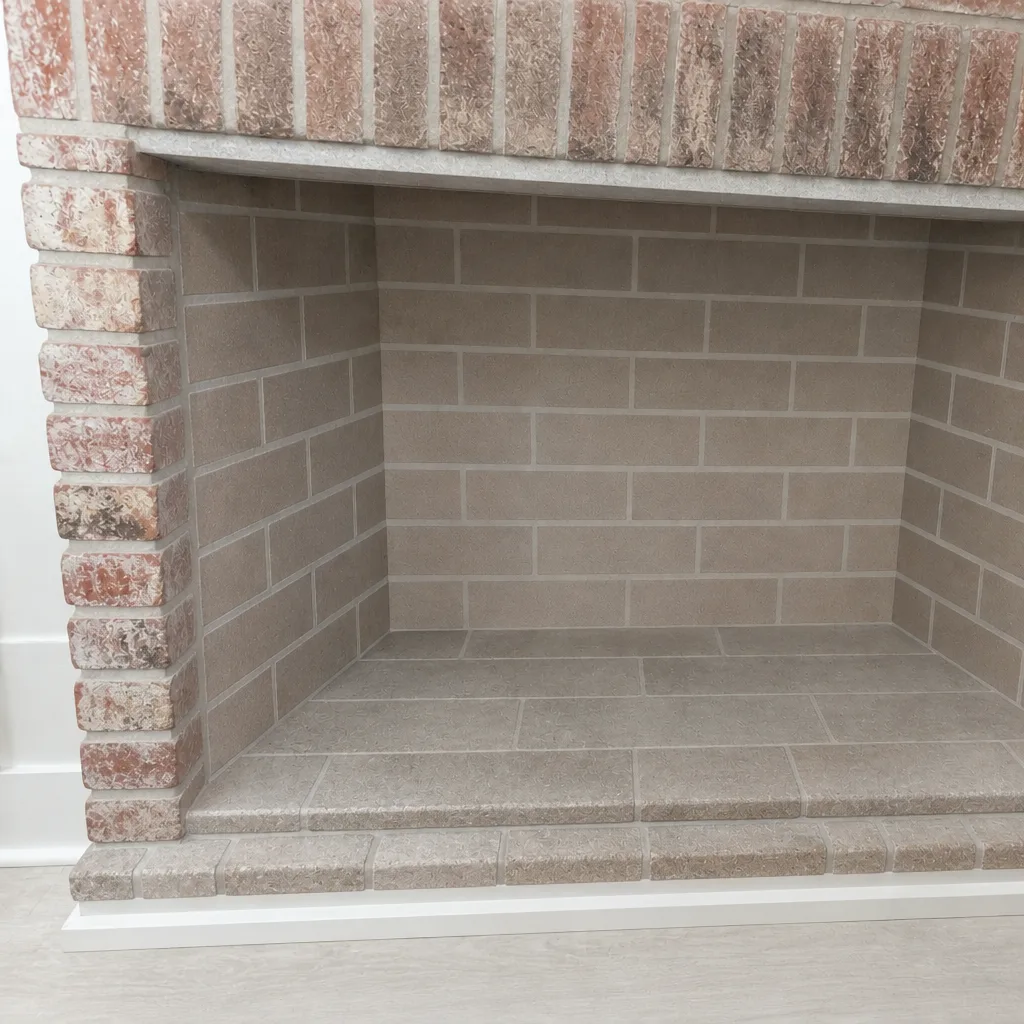
See the difference
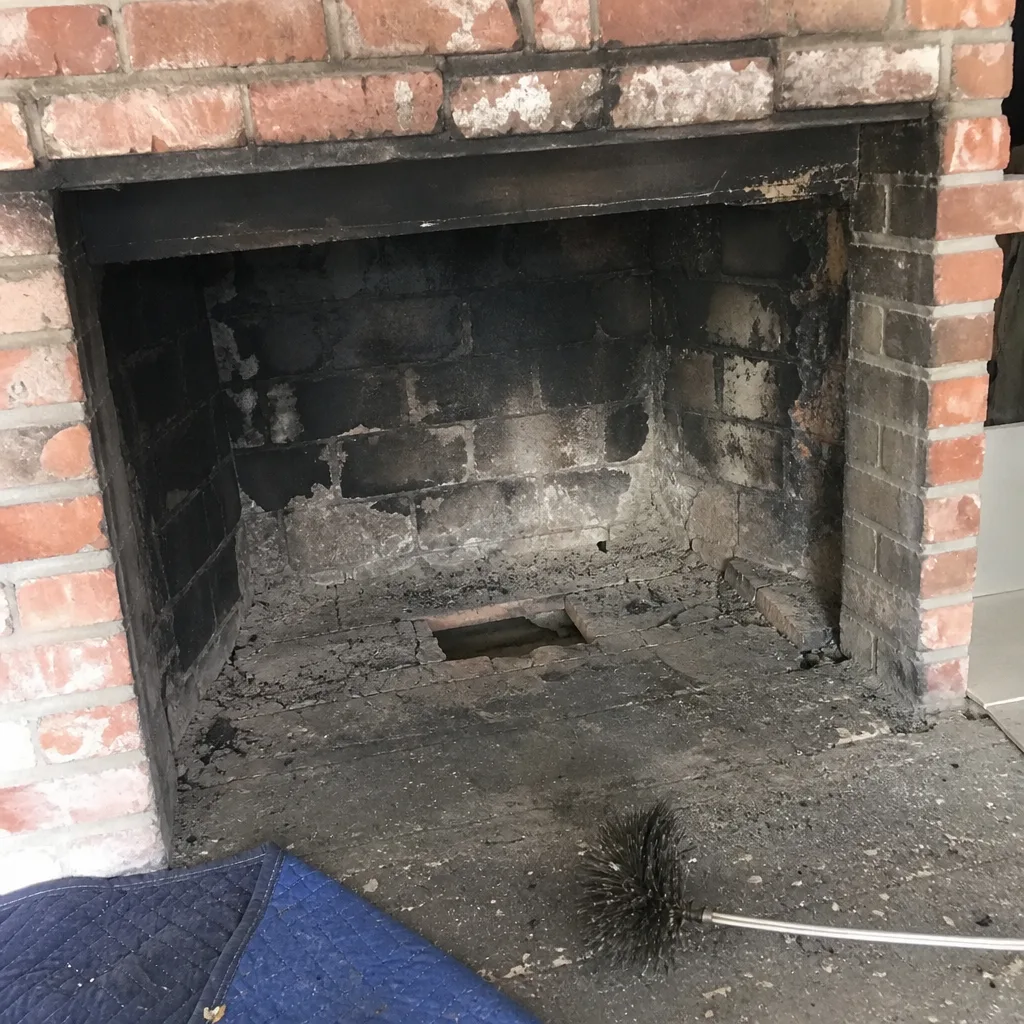 Before
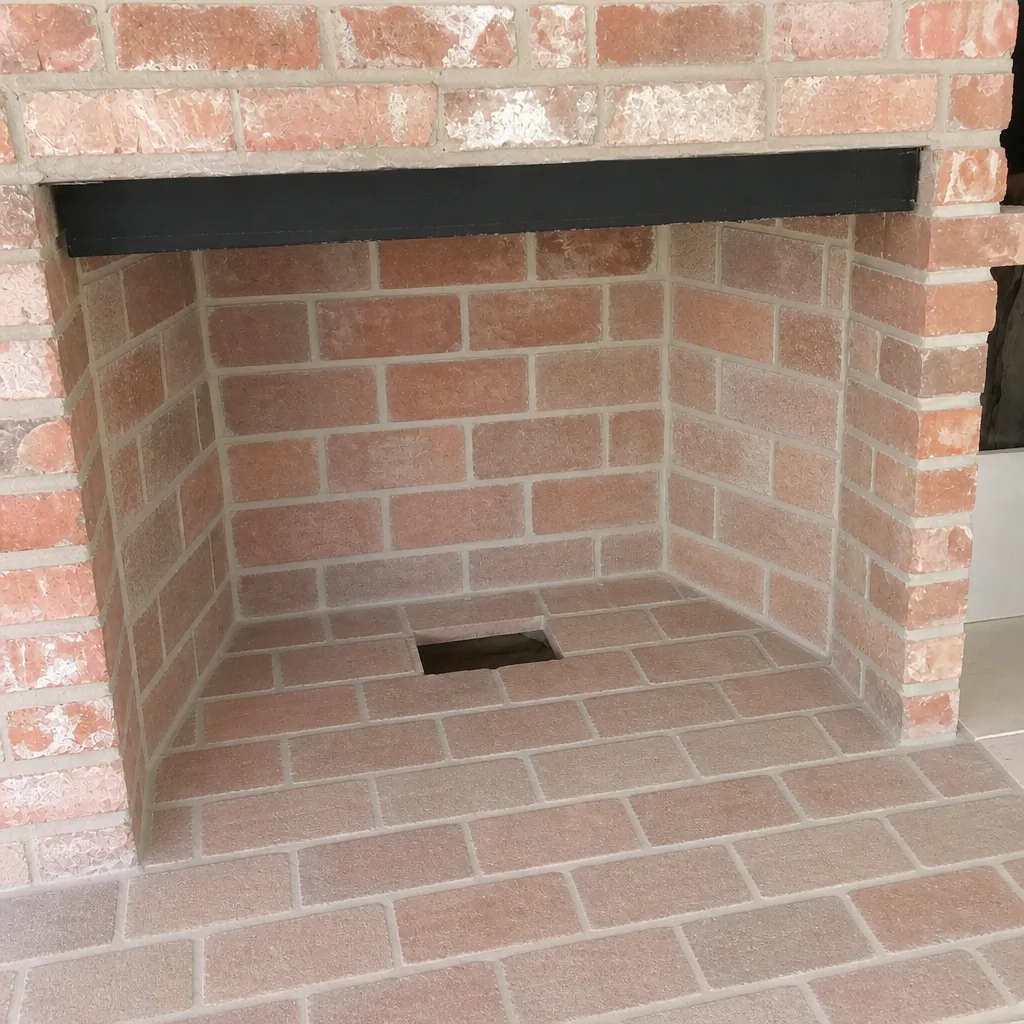 After
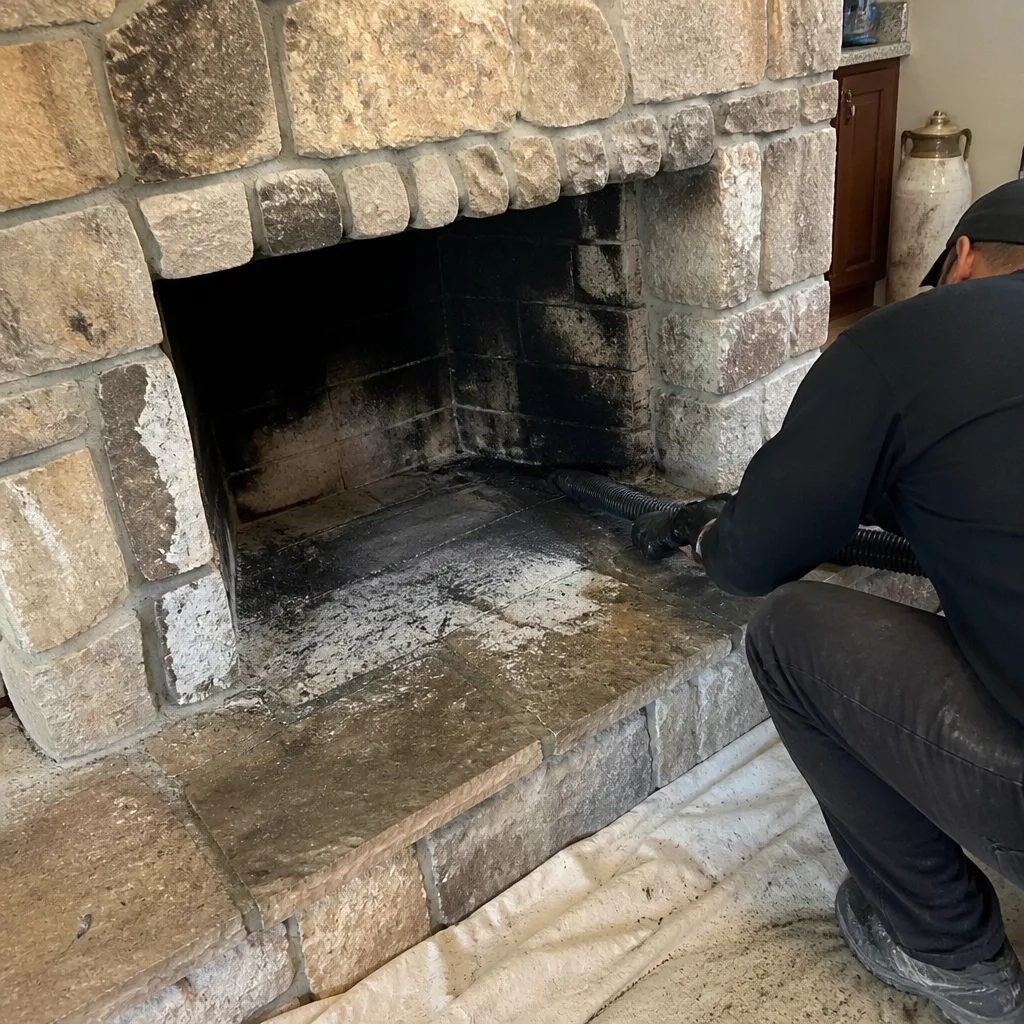 Before
 After
 Before
 After
When to Call a Professional
Call a professional when you’re unsure, and call sooner when any of these apply: you’ve moved into a Draper home and don’t know the chimney’s history, it’s been more than a year since the last inspection, you’ve had any chimney fire however small, you notice smoke rollback or a persistent odor, or you’re seeing draft problems during the burning season. These are all reasons to get a camera inspection and a written report before you light another fire. High-tension components, structural cracks, and liner work are not homeowner projects, and a trained professional should assess them. Chimney Sweep Draper offers free estimates in Draper. Call (866) 947-8303.
Frequently Asked Questions
Chimney sweeping in Draper is priced per job by a written estimate, and the estimate is free, so the price you get is based on your actual chimney rather than a flat rate pulled from a website. The written estimate sets the final price, and it should itemize the inspection, the cleaning, and any repair separately so you can see what you’re paying for. Call (866) 947-8303 for an exact quote. Estimates are free.
Only if the inspection evidence shows the liner is damaged, gaping, or missing, and that’s a determination that has to come from a camera inspection and be shown to you, not asserted. A resurfacing system like HeatShield can restore a liner that’s structurally sound enough to resurface without a full reline, so “you need a new liner” is not the only possible answer. Ask to see the footage and get the recommendation in writing. Call (866) 947-8303 for an exact quote. Estimates are free.
Once a year is the standard schedule for a home with an active wood-burning fireplace, and an annual inspection is worth doing even if you only burn occasionally, because low use still deposits creosote and an inspection catches liner problems that have nothing to do with burn volume. If you’ve moved into a Draper home, get an inspection before your first fire since the previous owner’s maintenance history is unknown. Call (866) 947-8303 for an exact quote. Estimates are free.
Creosote builds up on the flue walls and stages up over time, and Stage 3 glazed creosote is a harder, more involved job than a routine sweep. Skipping inspection also means a cracked liner or a gap at a flue joint can go unnoticed, and those are the conditions that matter for safe venting. The risk is real but it isn’t a scare tactic; the point is that a yearly inspection catches small problems while they’re still small. Call (866) 947-8303 for an exact quote. Estimates are free.
Yes, and it’s worth asking for. A standalone inspection gives you an honest system assessment without a cleaning bundled into it, which means the recommendation you get is based on the chimney’s condition rather than a package price. Ask for the camera footage and a written report whether or not you book the sweep. Call (866) 947-8303 for an exact quote. Estimates are free.
Ask for the certificate of insurance before the appointment, check that the policy dates are current for your appointment day, and call the insurer at the number printed on the certificate to confirm the policy is active and the limits match. Confirm general liability coverage specifically, and ask about workers’ compensation if anyone other than the owner will be on your property. A legitimate contractor produces the certificate without hesitation. Call (866) 947-8303 for an exact quote. Estimates are free.
The Bottom Line
Hiring a chimney contractor in Draper comes down to filtering on substance. Confirm current CSIA certification held by a named technician, verify liability insurance by calling the insurer yourself, ask for a camera inspection with a written report, and require a written estimate before any repair is authorized. Ask which materials a contractor installs, because names like DuraFlex and HeatShield tell you whether they can actually perform the liner work a sweep may turn up. Then compare quotes on scope instead of price, since the cheapest bid is usually the narrowest job. That process filters for a contractor who inspects first and recommends second, and it’s how you end up with work that’s built to last rather than patched to pass.
Call (866) 947-8303 for a free estimate. We answer 24/7. Fast dispatch from 7am to 7pm, Sunday through Friday.
Written by the team at Chimney Sweep Draper.