
Last updated November 24, 2026
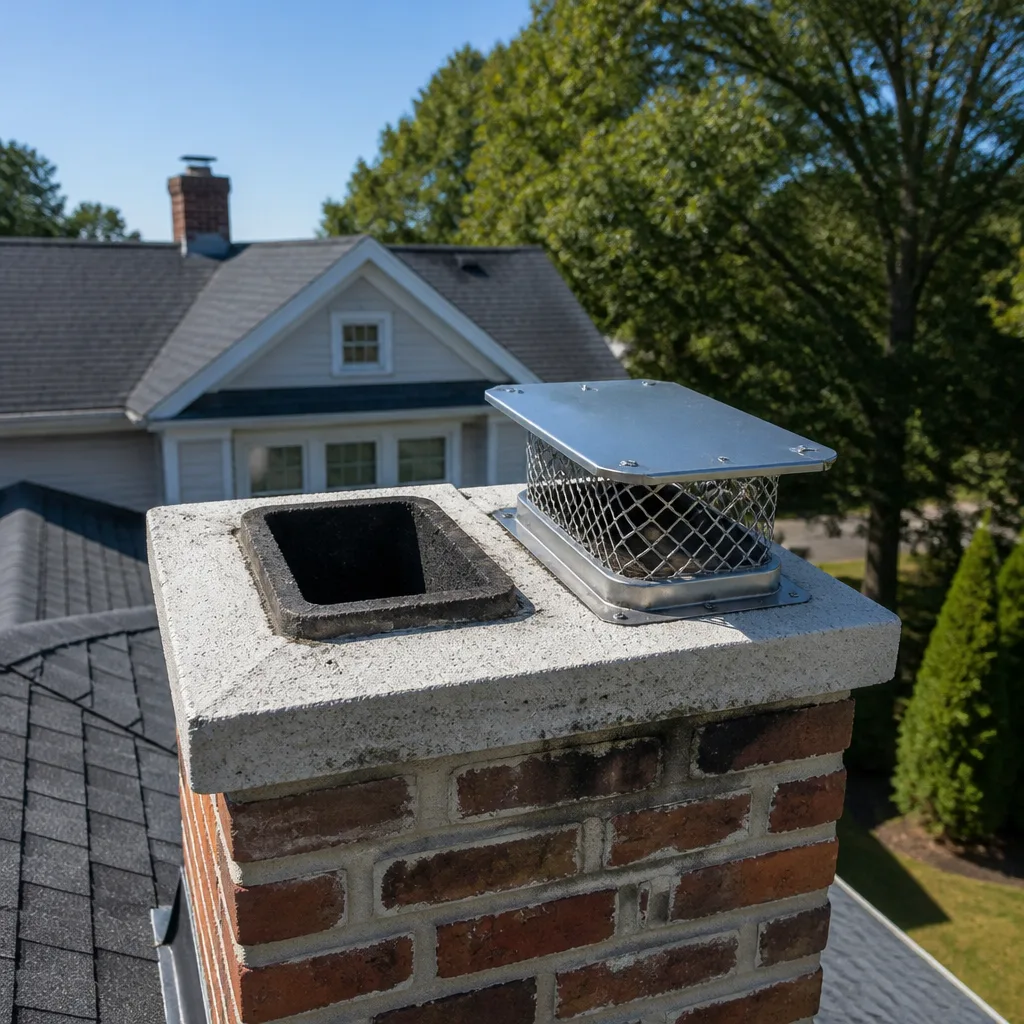 Sweep & inspection
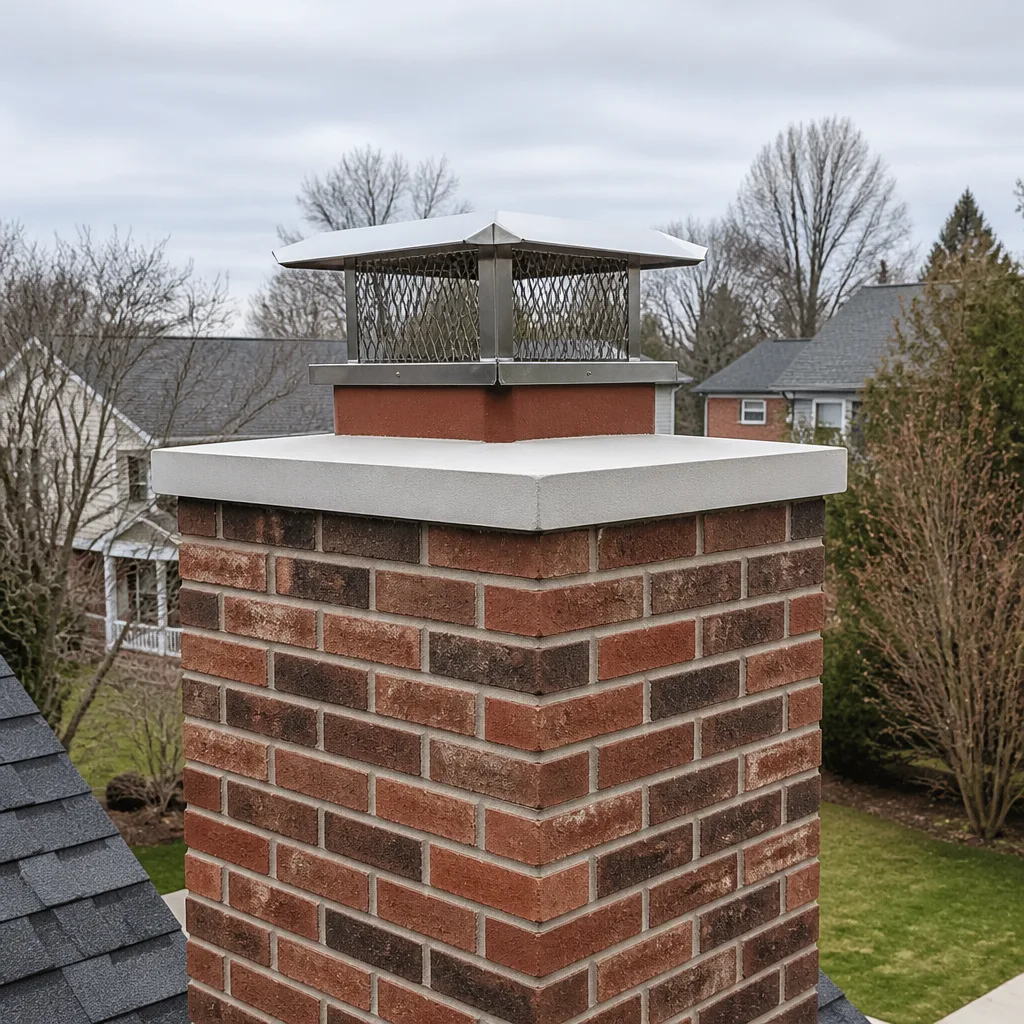 Caps & crowns
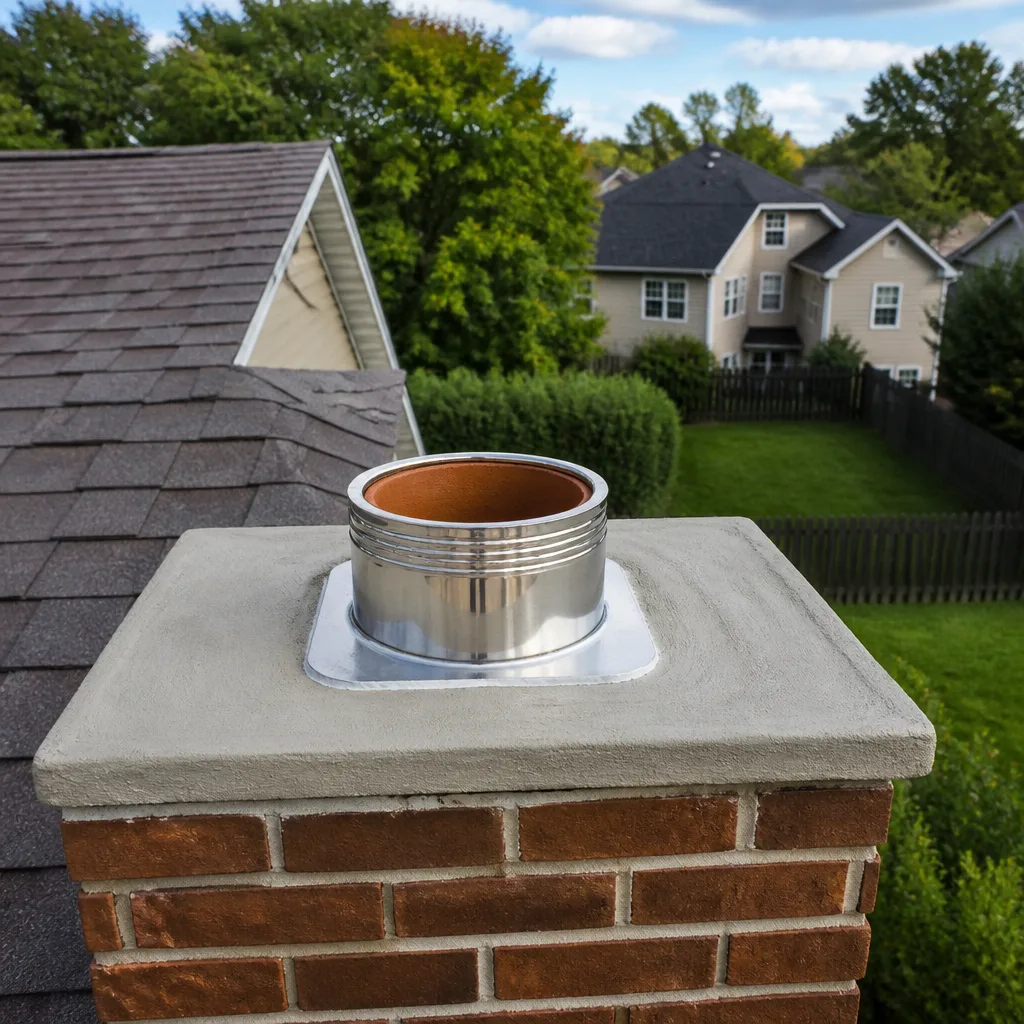 Flue relining
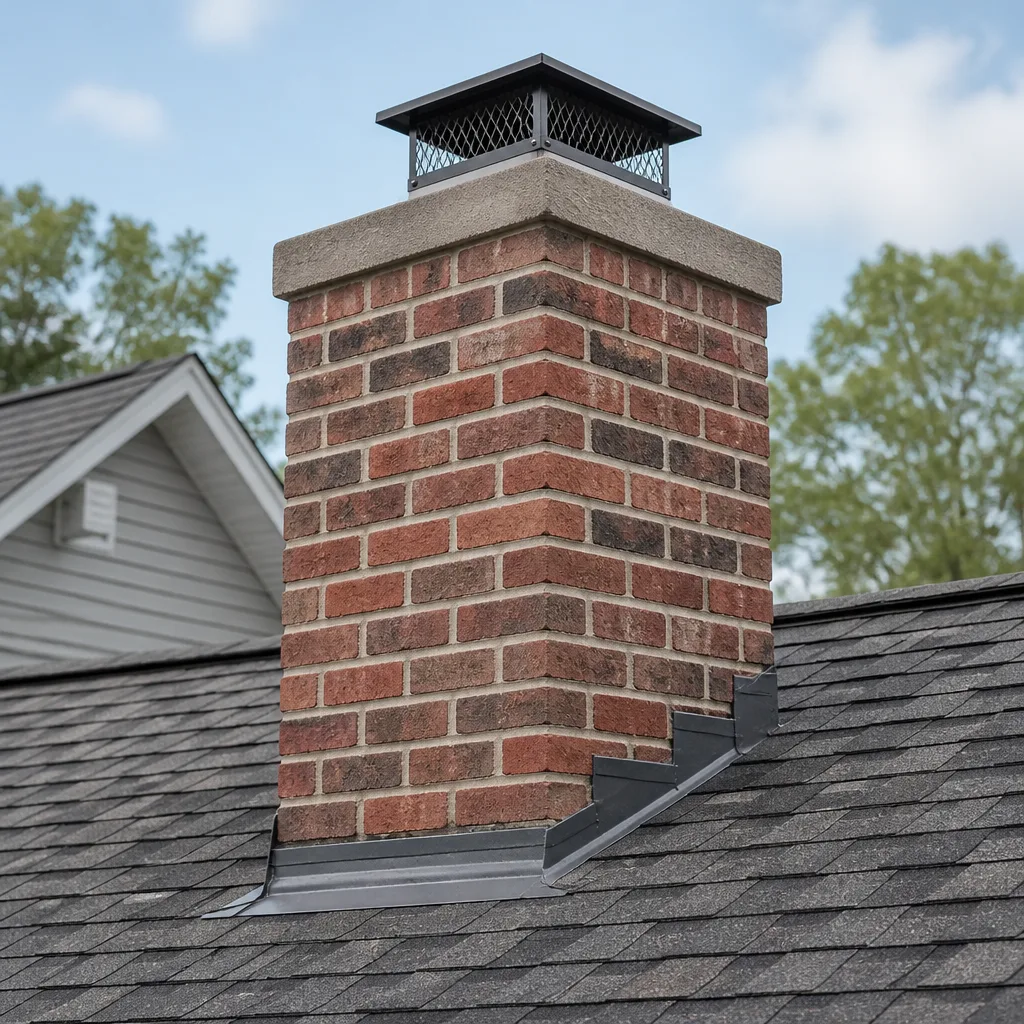 Masonry repair
 Gas fireplace service
Level 1 sweep and inspection to the NFPA 211 annual standard - flue, crown, cap, and flashing checked and photographed
Chimney sweep logs do not sweep chimneys. They loosen some creosote - which then falls where a brush and vacuum still have to collect it.
Chimney Cleaning Permits, Codes & Inspections in Draper, UT: What You Need to Know
Most homeowners assume a chimney cleaning never requires a permit, and for routine sweeping they’re right. The confusion starts the moment a job moves past sweeping into liner work, structural masonry, or an appliance connection. That’s where Draper City jurisdiction and Utah’s adopted building codes come in, and where a surprising number of jobs get done without the paperwork. If a contractor replaces your flue liner without pulling a permit, and a fire later traces back to that work, your homeowner’s insurance can deny the claim because the improvement was never permitted or inspected. This guide draws the line clearly: which chimney services are exempt, which typically trigger a permit, what a Level 2 inspection actually covers, and how to check a home’s permit history before you buy.
Quick Answer
Routine chimney cleaning and visual (Level 1) inspections generally don’t require a permit in Draper, UT. Work that changes the chimney system itself, such as liner replacement, fireplace insert installation, or structural masonry repair, typically does require a permit through Draper City’s building department under the International Residential Code and International Fuel Gas Code as adopted by Utah. A Level 2 inspection is often required, not just recommended, after a system change, a property sale, or an insurance review.
Styles & brands we work with
- Sweep & inspection
- Caps & crowns
- Flue relining
- Masonry repair
- Gas fireplace service
Table of Contents
- Which chimney services are exempt from permits?
- Which jobs typically trigger a permit in Draper City?
- How Utah’s adopted codes apply to chimney and venting systems
- What a Level 2 inspection is and when it’s required
- How to verify permit history before you buy
- Your liability when work is done without a permit
- Common mistakes to avoid
- Frequently asked questions
Which chimney services are exempt from permits?
Cleaning and visual inspection do not change the chimney system, so they fall outside permit requirements. This is the bulk of what a chimney technician does on a typical visit, and it’s the part homeowners should never feel pressure to over-complicate. If a contractor tells you a standard sweep requires a city permit, that’s a reason to ask questions.
These services are categorically exempt from permits in Draper:
- Routine chimney sweeping – removing creosote, soot, and debris from the flue.
- Level 1 visual inspection – a basic check of accessible portions of the chimney, firebox, and connector.
- Chimney cap replacement – swapping a cap for a properly sized unit is a component change, not a structural modification, though it still needs to be done correctly.
- Minor fireplace cosmetic work – replacing a damper handle or a firebox grate, for example.
- Camera inspection – a visual assessment with a scope, which produces a photo report and does not alter the system.
In Draper, where homes range from older properties near the foothills to newer construction along the east bench, a large share of chimney work is sweeping and inspection. Those visits matter for safety, especially before burning season, and they don’t involve permits. That’s worth saying plainly because it keeps the line honest: permits belong to a specific category of work, and sweeping isn’t in it.
Which jobs typically trigger a permit in Draper City?
Any job that alters the chimney system, changes the appliance, or touches structural masonry typically requires a permit in Draper City. These are the jobs where a contractor who skips the permit leaves you exposed. When we scope a job, we tell you up front which category it falls into, so there’s no surprise later.
Jobs that typically trigger a permit include:
- Flue liner replacement or relining – including DuraFlex flexible liner installations and HeatShield resurfacing where the flue is structurally modified. Relining changes the venting system and usually needs inspection.
- Fireplace insert installation – a new gas or wood appliance connecting to the flue is a mechanical change and requires permitting.
- Structural masonry repair – rebuilding a chimney above the roofline, repairing a failing crown, or replacing damaged courses of brick.
- Converting a wood-burning fireplace to gas – the gas connection and venting work fall under the fuel gas code and require permits.
- Adding a new chimney or flue – new construction or a significant addition to the venting system.
The wording “typically” matters. Permit thresholds are set by Draper City’s building department, and what’s exempt in one jurisdiction isn’t always exempt in the next. When in doubt, a quick call to the city settles it. Most homeowners don’t want to get into permit language, so part of our job is knowing which questions to ask and which forms to file.
How Utah’s adopted codes apply to chimney and venting systems
Utah has adopted the International Residential Code (IRC) and the International Fuel Gas Code (IFGC) as the basis for residential chimney and venting requirements. These are model codes published by the International Code Council, and states adopt them with local amendments. Draper City enforces them at the municipal level.
The provisions most relevant to a chimney system:
- IRC Chapter 10 – covers chimneys and fireplaces, including requirements for flue lining, clearance to combustibles, and masonry construction.
- IRC Chapter 24 – covers fuel gas systems, including venting requirements for gas-fired appliances.
- IFGC Chapter 5 – covers venting of appliances, including the connector and termination requirements.
- IRC Section R1001.11 – the flue lining requirement for masonry chimneys, which is what a reline job is brought into compliance with.
- IRC Section R1003.9 – the requirement for a spark arrestor or cap on the chimney termination.
These are the sections a permit inspector will check against when they review a reline or a structural repair. In practice, the repairs we do, using brands like DuraFlex for flexible relining and HeatShield for flue resurfacing, are built to meet these requirements, not to skirt them. A HeatShield application restores a damaged flue to a smooth, sealed condition where the underlying structure is sound. When it’s not sound, a full DuraFlex reline is the compliant path.
What a Level 2 inspection is and when it’s required
A Level 2 inspection is a more thorough assessment than the visual check in a routine sweep. It examines accessible portions of the chimney, including the flue interior via camera, the attic, and the crawlspace where applicable. The standard comes from NFPA 211, the consensus standard for chimneys, fireplaces, vents, and solid fuel-burning appliances.
A Level 2 inspection is required in these circumstances:
- After a system change – a new appliance, a reline, or a change in fuel type requires a Level 2 to verify the system still meets code.
- Before a real estate transaction – a sale transfer generally triggers a Level 2, and many lenders require it.
- After a chimney fire or a seismic event – the system has sustained a possible change and needs a full assessment.
- When the system has been through a major event – a lightning strike, a prolonged flue fire, or a collapse of part of the chimney.
- When a Level 1 reveals a problem – a Level 1 finding of damage escalates to a Level 2 for a complete picture.
In our experience, Draper homeowners are often surprised that a Level 2 is a standalone service, not a bundle with a cleaning. We offer it that way on purpose: you can get an honest system assessment without being sold a sweep. If the inspection finds a cracked liner, a degraded flue, or a failing crown, the photo report shows you what we see. We make a recommendation based on that evidence, not on a sales script.
How to verify permit history before you buy
Before you buy a home in Draper, you should be able to see what chimney work has been permitted. Permit records are public, and the process is straightforward if you know where to look. Walking in with this done saves you from discovering unpermitted work after closing.
Follow these steps:
- Request the property’s permit history from Draper City’s building department. The city keeps records of permits pulled for the address, including the scope and the inspection sign-off.
- Check Salt Lake County records as well. Work that predates the current municipal system, or work triggered under county jurisdiction, may be filed there.
- Match permits to visible work. If the roof has a newer chimney or the flue has a modern liner, there should be a permit and an inspection record for it.
- Ask the seller directly. “Has any chimney or fireplace work been done?” and “Do you have the permit records?” are fair, standard questions.
- Order a Level 2 inspection. A camera inspection is the only way to see the interior of the flue, and it will reveal signs of a reline that was never permitted.
- Get it in writing. If a permit is missing, that’s a negotiating point, not necessarily a deal-breaker. What matters is knowing.
If you’re buying in a neighborhood like Corner Canyon or near the Draper Town Center, the permit records for a given address are typically accessible within a few days. The point isn’t to find fault. It’s to know whether a $300 repair or a liner replacement was done legally and safely.
Your liability when work is done without a permit
When a contractor performs unpermitted chimney work and that work later contributes to a fire or a carbon monoxide incident, the homeowner carries the exposure. This is a documented claim denial basis: insurers can and do deny claims tied to unpermitted mechanical improvements. The contractor may be gone; the policy is the policy.
The exposure breaks down into three areas:
- Insurance claim denial – a fire or CO claim tied to unpermitted work can be denied, leaving the homeowner to cover the loss.
- Sale complications – an unpermitted reline or structural repair can surface during a sale and delay or kill the transaction.
- Personal liability – if a fire spreads to a neighbor’s property from an unpermitted chimney defect, the homeowner can face liability beyond their own loss.
The fix for unpermitted work isn’t always destructive. Sometimes the system is sound and the permit just wasn’t pulled, in which case a Level 2 inspection and a permit-application process with the city resolves it. When the liner work is substandard, a DuraFlex reline or a HeatShield restoration brings it back into compliance. Either way, the first step is knowing what you have.
Common Mistakes to Avoid
- Assuming a sweep requires a permit. Routine cleaning and Level 1 inspection don’t need a permit in Draper, and a contractor who insists otherwise is adding complexity that isn’t there.
- Not asking for a permit on a reline. Any flue liner replacement or insert installation should be permitted, and the contractor should be willing to pull one.
- Skipping the Level 2 during a home purchase. A Level 1 visual inspection can miss interior flue damage that a camera catches, and the difference matters.
- Confusing a cap with a crown repair. Replacing a cap doesn’t address a failing crown, and a failing crown is one of the main ways water gets into the chimney structure.
- Assuming “it passed before” covers new work. A permit from the 1990s doesn’t cover a reline done last year, and records have to match the work.
- Believing the city will catch a skipped permit automatically. Draper City only knows what’s filed, and unpermitted work can sit undisclosed for decades.
- Ignoring sign-off after the job is done. A permit isn’t finished until the inspection is signed off, and that final step is what protects you.
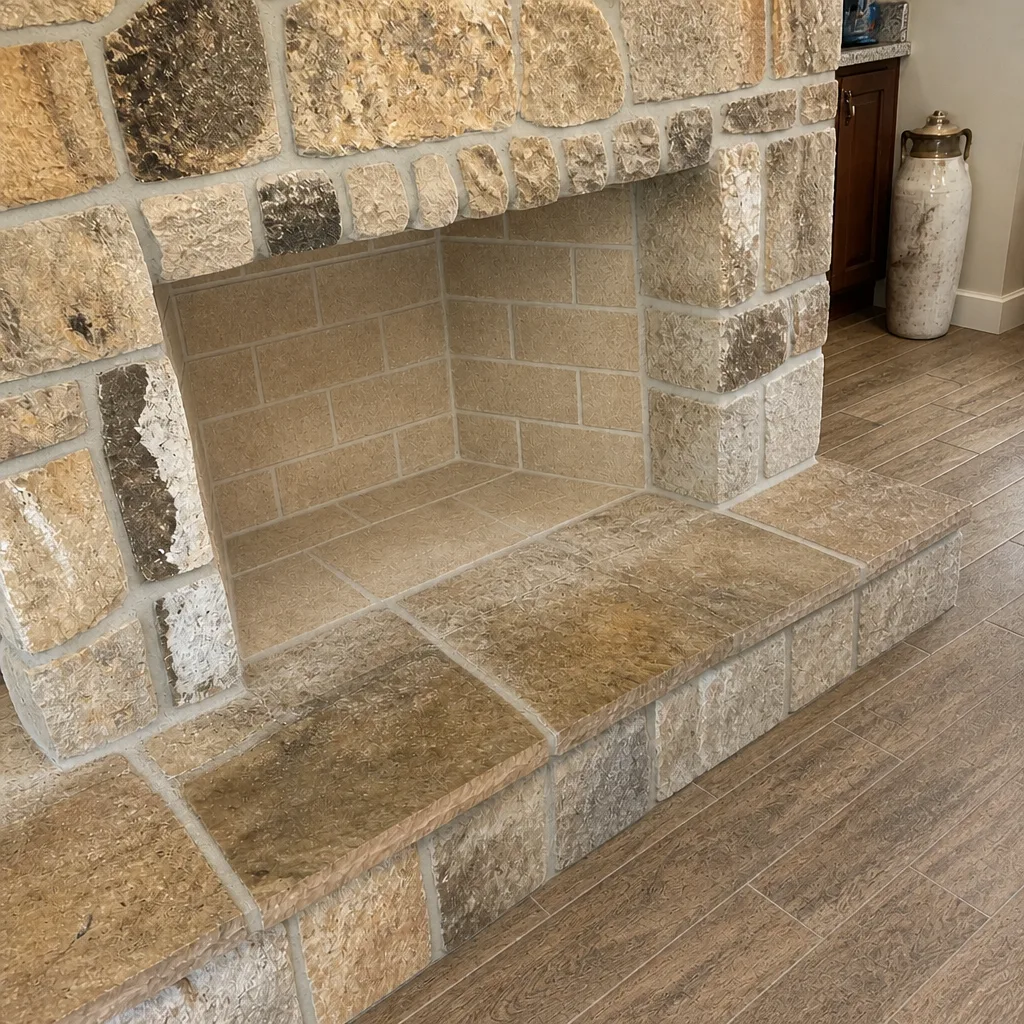
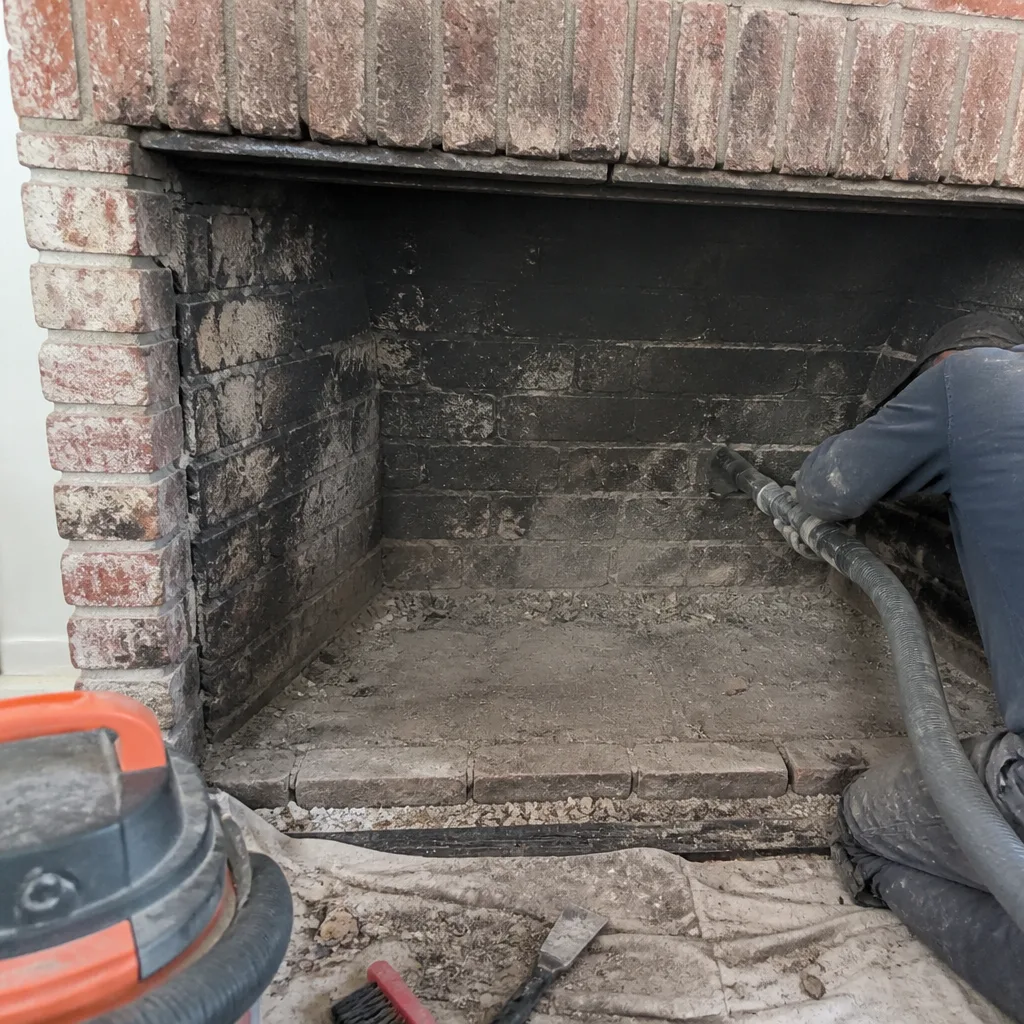
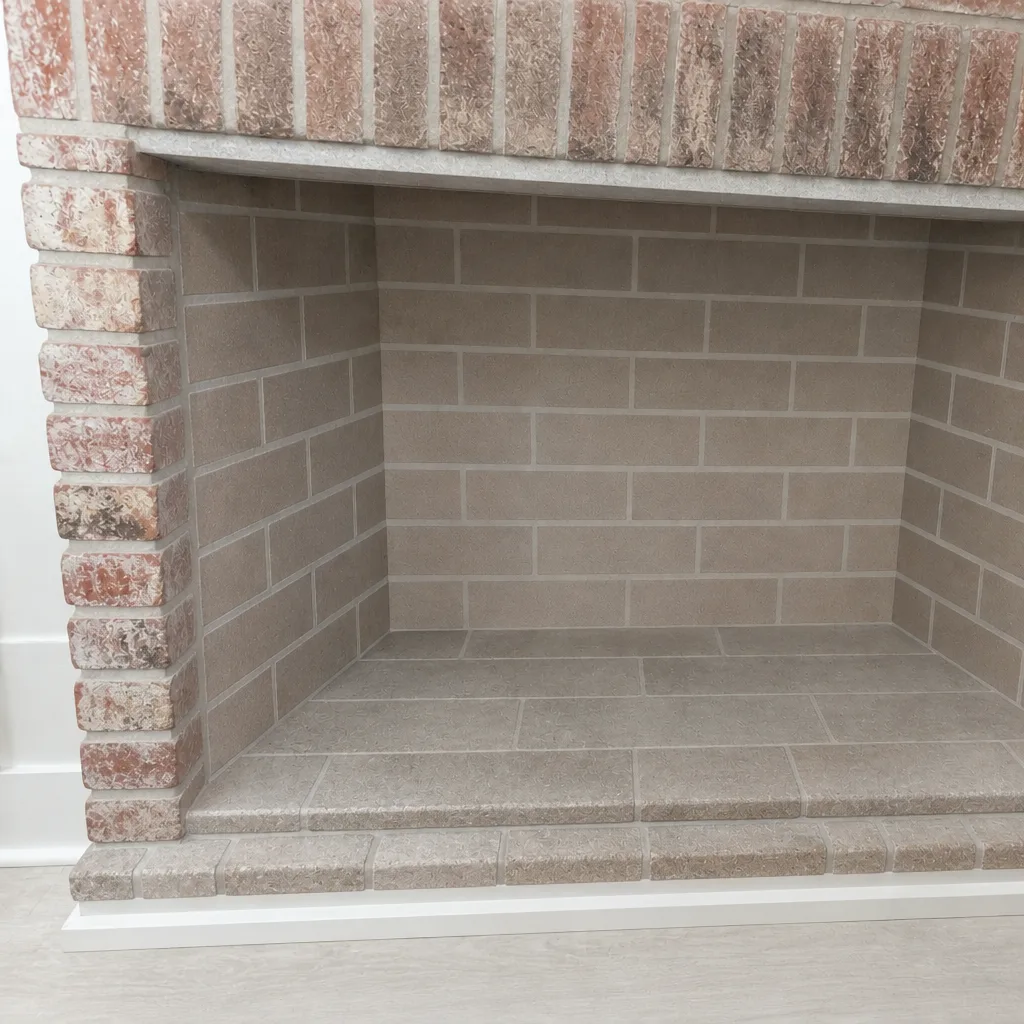
See the difference
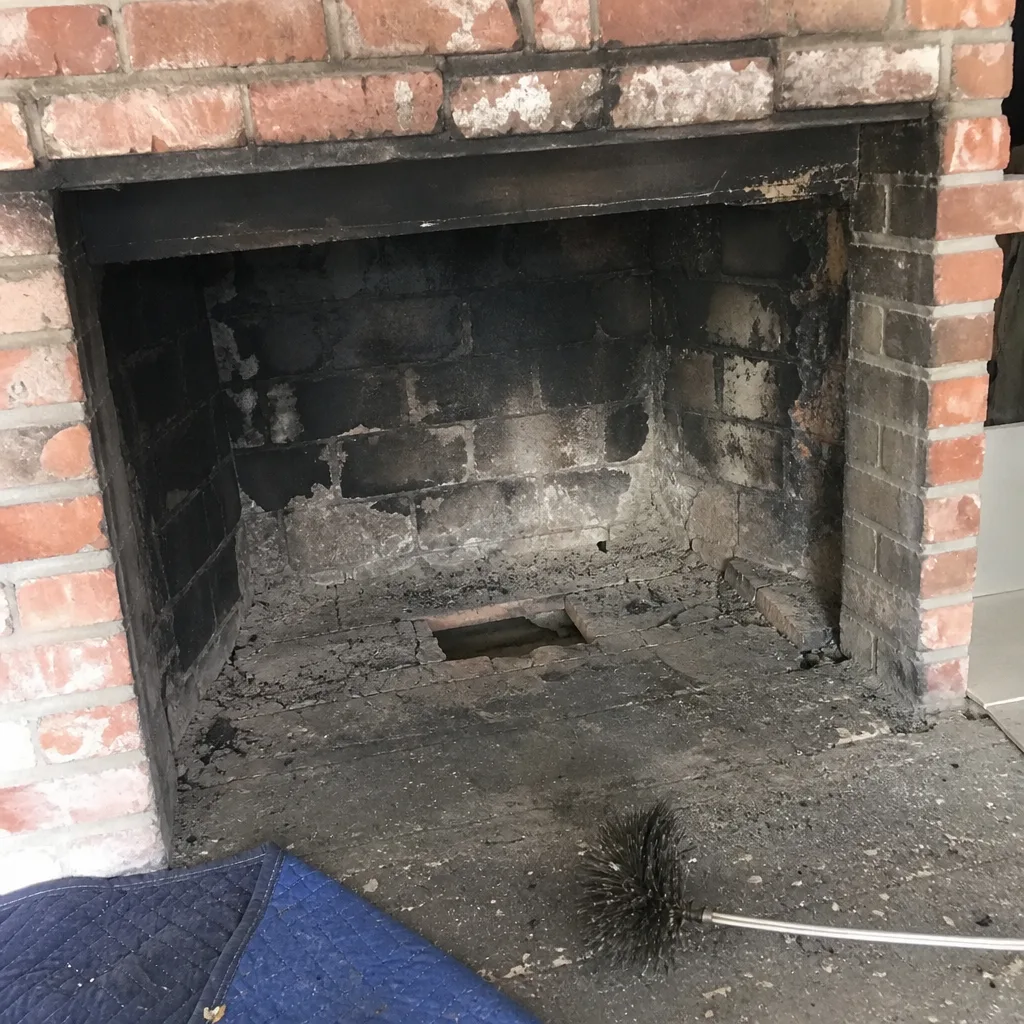 Before
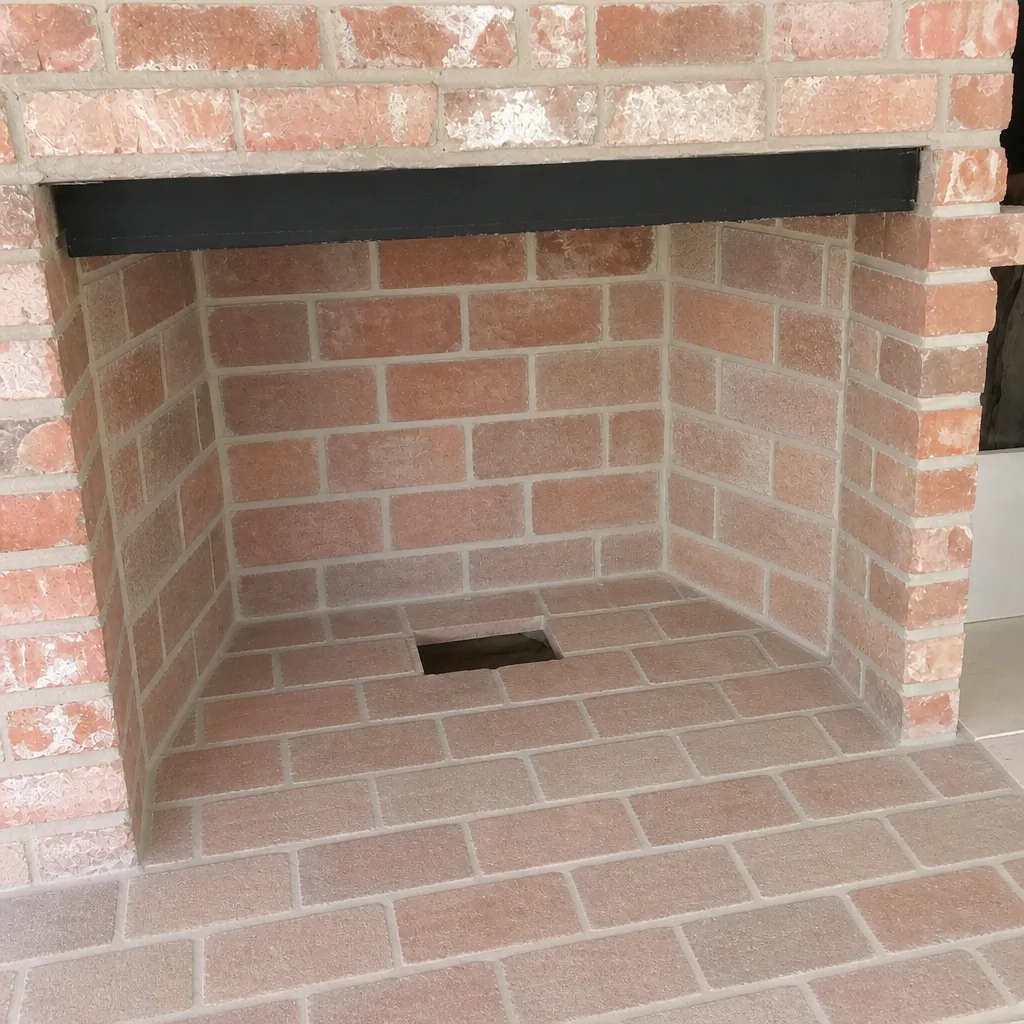 After
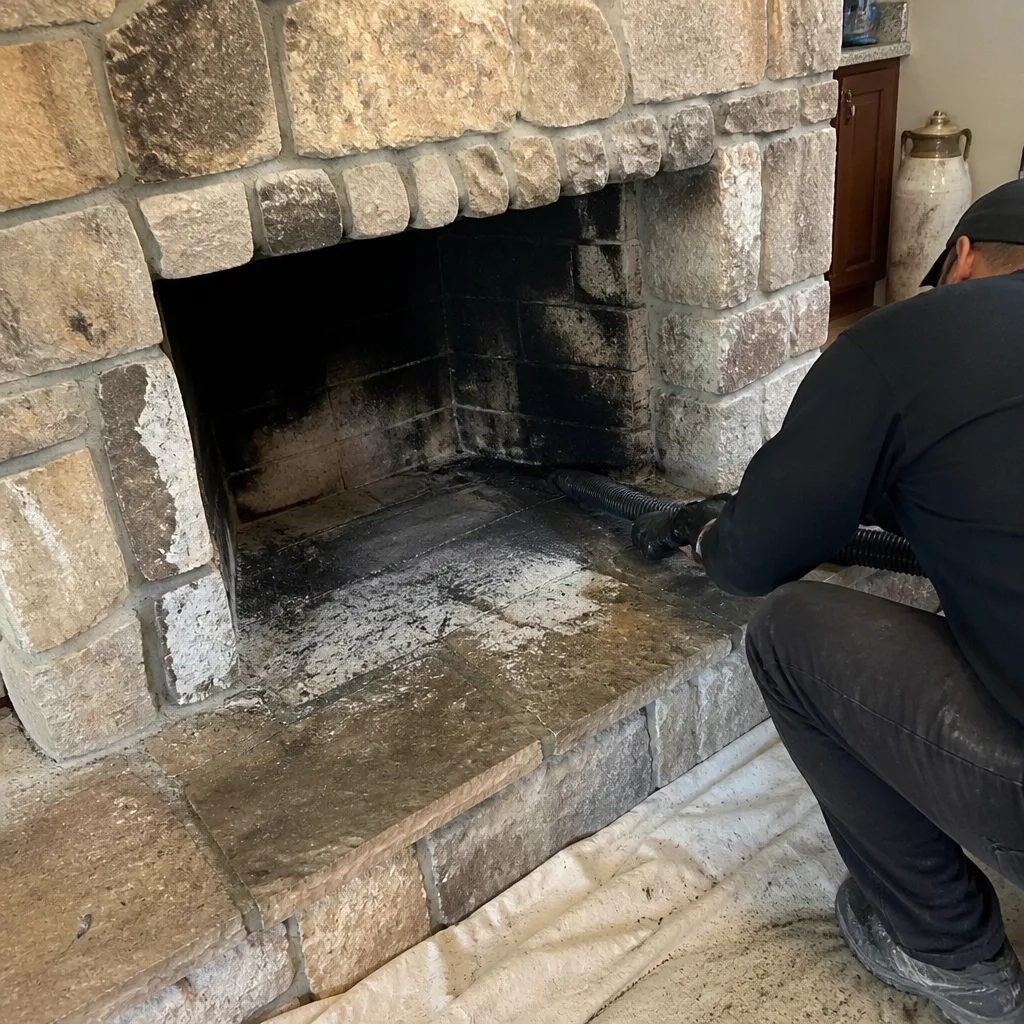 Before
 After
 Before
 After
When to Call a Professional
Call a professional when the job is outside the exempt category. That includes any reline, a new insert, structural masonry work, a crown rebuild, or a gas appliance conversion. It also includes any system where you don’t know the history: a home you recently bought, a chimney you haven’t had inspected in a year or more, or a flue that’s been through a fire or a seismic event. A camera inspection answers the unpermitted-work question better than any document. If a sweep turns up a cracked liner or a damaged crown, the next call should be to the same company, not a separate contractor. Chimney Sweep Draper offers free estimates in Draper, and we can pull the permit where one is required. Call Chimney Sweep Draper at (866) 947-8303. We answer 24/7. Fast dispatch from 7am to 7pm, Sunday through Friday.
Frequently Asked Questions
No. Routine chimney cleaning and Level 1 visual inspection don’t require a permit in Draper, because they don’t alter the chimney system. Permits typically apply to liner replacement, insert installation, and structural masonry repair. If a contractor tells you a sweep needs a permit, ask why. Call (866) 947-8303 for an exact quote on a sweep or inspection, and estimates are free.
Yes, in most cases. A flue liner replacement or reline changes the venting system, and Draper City building department typically requires a permit with a follow-up inspection under the International Residential Code. The permit and the inspection sign-off are what protect you if there’s ever a claim. Call (866) 947-8303 to talk through your liner job, and estimates are free.
A Level 2 inspection is required after a system change (a new appliance, a reline, or a fuel change), before a home sale, after a chimney fire or seismic event, and whenever a Level 1 inspection shows damage. It’s a camera-based assessment of the accessible chimney interior. We offer Level 2 as a standalone service so you can get an honest picture. Call (866) 947-8303 for a free inspection estimate.
Request the permit history from Draper City’s building department by address, then cross-check Salt Lake County records for older or county-filed work. Match any permits you find to the visible work, and ask the seller for documentation. A camera inspection fills in what the records can’t show. Call (866) 947-8303 to schedule one before you close.
You carry the exposure. If that unpermitted work later contributes to a fire or carbon monoxide incident, your insurer can deny the claim, and the issue can also delay or derail a future sale. The remedy is a Level 2 inspection to confirm whether the work is sound, then a permit application through Draper City. If the work is substandard, a compliant reline or resurfacing corrects it. Call (866) 947-8303 for a free estimate.
Yes. We offer the inspection as a standalone service, separate from a sweep, so you can get a full system assessment with a photo report and no pressure to book additional work. If the inspection finds something, we show you the evidence and you decide. Our technicians have up to 11 years of experience with full-system chimney service. Call (866) 947-8303 for a free estimate.
The Bottom Line
Routine chimney cleaning and visual inspection in Draper don’t require a permit, and nobody should tell you otherwise. The moment a job touches the liner, structural masonry, or an appliance connection, Utah’s adopted International Residential Code and International Fuel Gas Code apply, and Draper City’s building department is the authority that enforces them. A Level 2 inspection is required after a system change and before a home sale, and it’s the most reliable way to catch unpermitted work. If you’re unsure where your job falls, ask the city, ask the contractor for a permit, and get a camera inspection. That’s the whole test.
Call (866) 947-8303 for a free estimate from Chimney Sweep Draper. We answer 24/7. Fast dispatch from 7am to 7pm, Sunday through Friday.
Written by the team at Chimney Sweep Draper.