
Last updated November 24, 2026
 Sweep & inspection
 Caps & crowns
 Flue relining
 Masonry repair
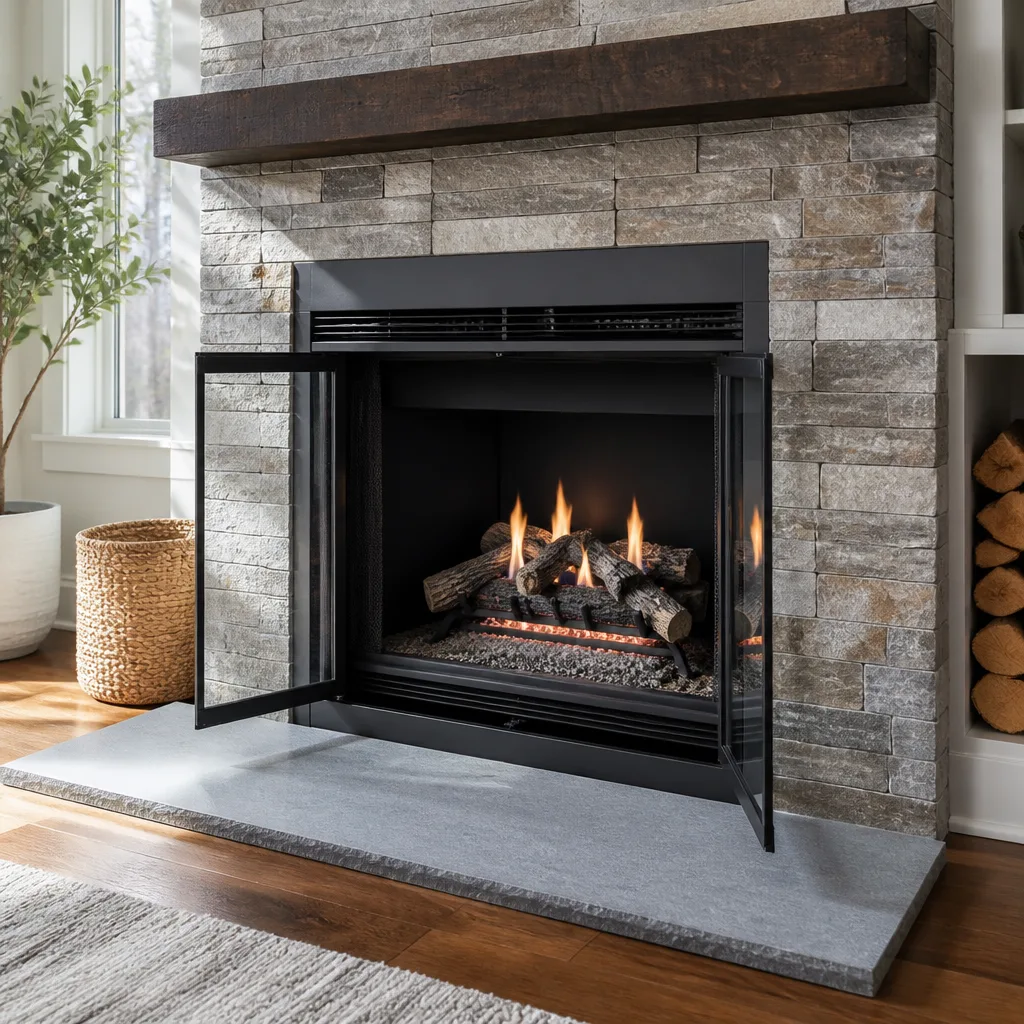 Gas fireplace service
Level 1 sweep and inspection to the NFPA 211 annual standard - flue, crown, cap, and flashing checked and photographed
Chimney sweep logs do not sweep chimneys. They loosen some creosote - which then falls where a brush and vacuum still have to collect it.
Chimney Sweep Maintenance Checklist for Draper Homeowners
Most chimney problems in Draper don’t start in the flue. They start at the top, on a flat shelf of mortar nobody looks at. The crown is the first thing that fails on most Utah chimneys and the last thing homeowners think to check, and a hairline crack in that mortar lets meltwater in through every freeze-thaw cycle. Two or three seasons of that is enough to reach the liner. This guide breaks your chimney into its separate zones, tells you what to look for at each one, and separates the checks you can safely do yourself from the ones that need a camera and a trained eye. It also gives you a simple maintenance log format that earns its keep at resale.
Quick Answer
A homeowner’s chimney maintenance checklist in Draper comes down to seven components checked on a seasonal rhythm: cap, crown, flashing, exterior masonry, firebox, damper, and flue. You can inspect the cap, crown, flashing, and exterior masonry from the ground with binoculars, and the firebox and damper from inside. Only the flue interior needs a professional inspection with a camera. Time the checks to northern Utah’s seasons: a cleaning and inspection in September before burn season, a visual pass in January after heavy use, and a post-snowmelt review in April.
Styles & brands we work with
- Sweep & inspection
- Caps & crowns
- Flue relining
- Masonry repair
- Gas fireplace service
Table of Contents
- Why Draper Chimneys Fail Differently
- The Component-by-Component Checklist
- Zone 1 and 2: The Cap and the Crown
- Zone 3 and 4: Flashing and Exterior Masonry
- Zone 5 and 6: Firebox and Damper
- Zone 7: The Flue and Liner
- What You Can Check vs. What Needs a Pro
- The Draper Seasonal Timing Calendar
- Keeping a Maintenance Log That Matters at Resale
Why Draper Chimneys Fail Differently
Draper sits in a freeze-thaw corridor that punishes masonry. Days warm enough to melt snow on the south face of a chimney can be followed by nights well below freezing, and that cycle repeats through much of the winter. Water gets into mortar joints, expands as it freezes, and widens the joint. Next spring the joint is bigger. This is why a Draper chimney’s worst enemy is not the fire inside it, it’s moisture working from the outside in.
The valley floor and the foothills along the east edge of the city see slightly different conditions. Homes closer to the Traverse Mountain side tend to catch more wind and driving precipitation, which loads moisture onto the crown and flashing harder than flatter lots lower in the valley. In neighborhoods like Corner Canyon and SunCrest, the wind exposure makes a tight cap and intact crown do more work than they would on a sheltered lot. You can’t control the weather. You can control whether the parts that keep water out are intact.
Houses here also cover a wide age range, from newer construction up the slopes to established homes closer to the city center. A house built in the last generation may have a prefabricated metal fireplace and a factory chimney, which fails differently than a masonry stack. That changes what a maintenance check should look at. The checklist below works for both, but the flue section calls out where they diverge.
There’s a common misconception worth correcting up front: a sweep is not the same as an inspection. A sweep removes creosote. An inspection assesses the system. You can get a cleaning without a real assessment of what condition the chimney is in, which is why we offer inspection as a standalone service. If you want to know the state of your chimney before you commit to anything else, Chimney Sweep Draper can walk through it with you.
The Component-by-Component Checklist
A checklist that only says “schedule an annual sweep” isn’t a checklist. The real value comes from breaking the chimney into zones, because each zone fails in its own way and each has its own warning signs. Here are the seven zones, in the order they tend to fail:
- Crown – the mortar shelf at the very top that sheds water away from the stack.
- Cap – the cover over the flue opening that keeps rain, birds, and debris out.
- Flashing – the metal sealing the joint where the chimney meets the roof.
- Exterior masonry – the brick, mortar joints, and any stucco or stone facing.
- Firebox – the firebrick and mortar box where the fire actually burns.
- Damper – the metal door that controls airflow when the fireplace isn’t in use.
- Flue and liner – the channel that carries smoke out and protects the structure from heat.
Work down that list each season. For each zone, ask three questions: is it intact, is it shedding water the way it should, and has anything changed since the last check? A phone photo taken at the same angle each season answers the third question faster than memory will.
Zone 1 and 2: The Cap and the Crown
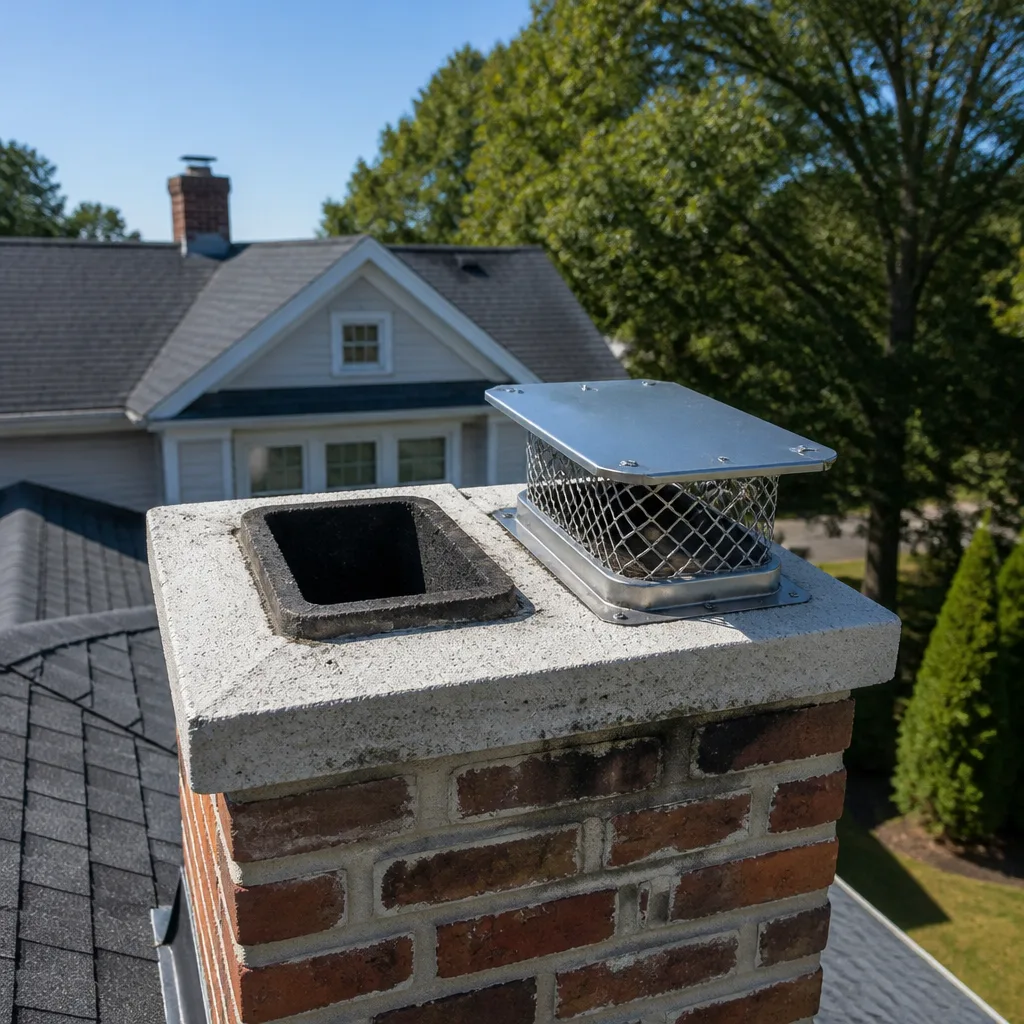
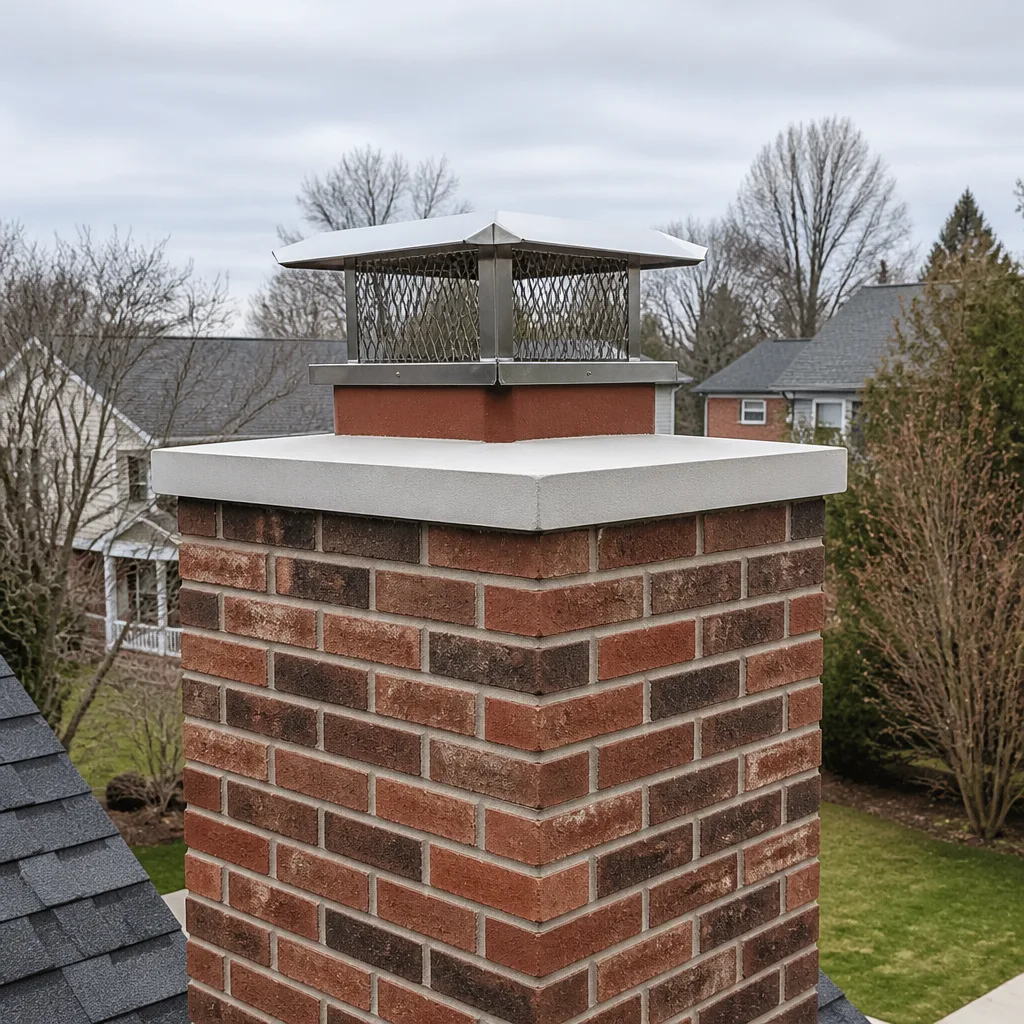
Start at the top because that’s where most of the trouble starts. The crown is the flat or slightly sloped surface of mortar at the top of the chimney, and it exists for one reason: to send water off the stack instead of letting it soak in. When it’s intact, water runs off the edges and away. When it cracks, water runs into the masonry, and everything below the crown is downhill from there.
What to look for on the crown:
- Cracks, especially cracks that reach from the flue opening out to the edge.
- Crumbling or spalling mortar, where the surface breaks away in flakes or grains.
- Separation between the crown and the flue tile, which leaves a gap for water to pour straight into.
- A crown that’s flat or sloping toward the flue instead of away from it.
The cap sits over the flue opening and does a related job: keeping rain out of the flue and keeping animals out of the chimney. Look for a missing cap, a bent or rusted one, or a mesh screen that’s torn or clogged with soot. A clogged screen can restrict draft enough that smoke backs into the house. On Draper homes with wind exposure toward the foothills, a cap that fits loosely will also rattle and pull at its fasteners over time.
Cracked mortar on the crown, or a gap between crown and flue tile, is worth a professional look. Small crown cracks can sometimes be sealed and the crown resurfaced. Larger failures need the crown rebuilt. Cap and crown installation is one of the five services we handle, and it’s the pair of components most responsible for keeping water out of a chimney, so this is not a zone to leave for later. Identifying these problems early is one reason a proper chimney sweep visit includes a look at the top of the stack.
Zone 3 and 4: Flashing and Exterior Masonry
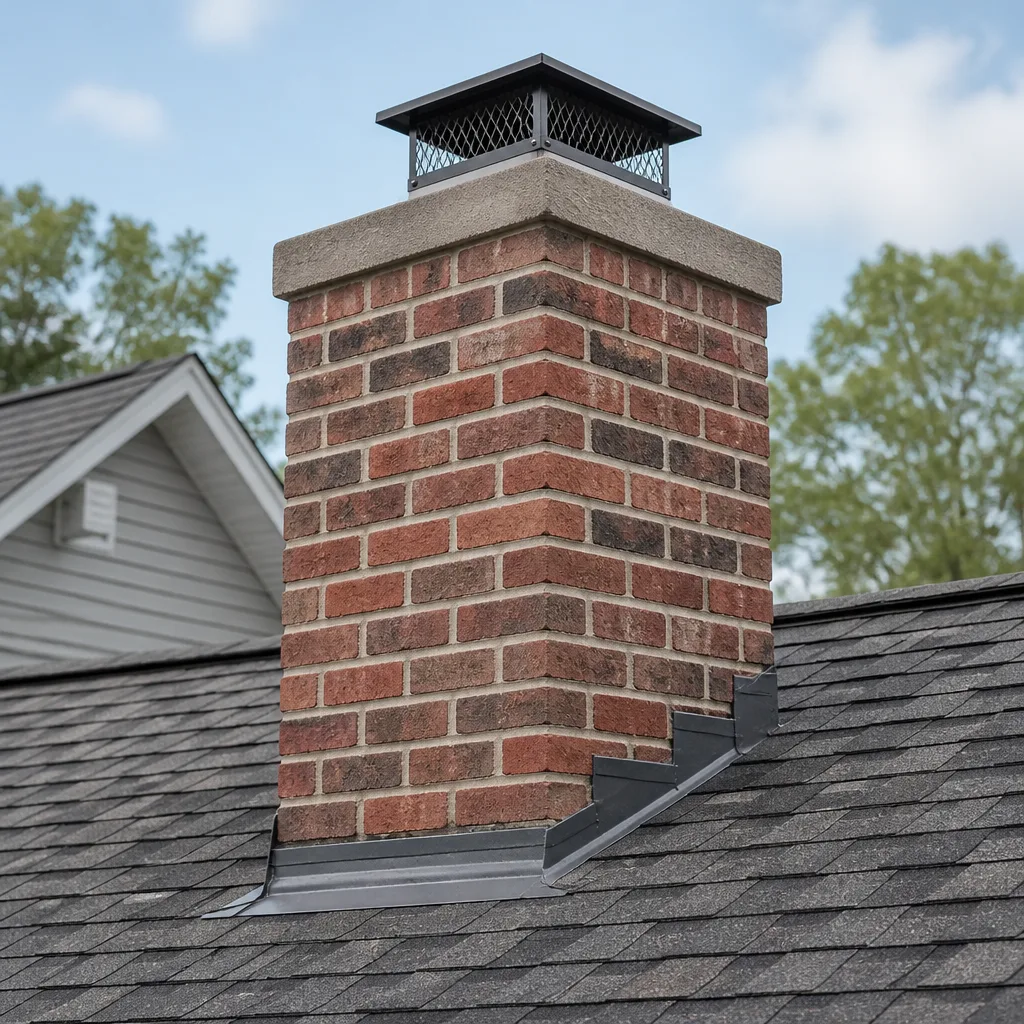
Flashing is the metal that bridges the gap between your chimney and the roof surface. It’s bent into the masonry and lapped over the shingles, and it relies on a watertight seal in both directions. When flashing fails, water doesn’t just run down the outside of the chimney; it runs down the roof deck and into the attic framing. On a Draper roof, that failure often shows up after the spring snowmelt, when a stain on the ceiling or a soft spot in the attic sheathing appears weeks after the last snow.
What to look for on the flashing:
- Lifted, curled, or separated metal where it meets the chimney or the shingles.
- Visible gaps where a bead of sealant has pulled away from the masonry or roof.
- Rust or pitting on the metal itself, which means it’s near the end of its life.
- Any horizontal joint on the chimney that looks wet or dark after dry weather.
Exterior masonry is the other half of this zone. Look at the mortar joints as you walk the perimeter. Recessed or washed-out joints, a whitish powder on the brick, or bricks that have lost their face all point to moisture working through. The whitish powder, called efflorescence, is salt pushed to the surface by water moving through the masonry. It’s a moisture signal, not a cosmetic flaw.
On a house where the chimney is not a true exterior stack but runs through the interior, some of this check shifts to the attic and the wall faces, where water stains and loose mortar can show up where you don’t expect them. Flashing repair overlaps with roof work, so this is a good point to bring in a professional who can look at the whole assembly rather than patch the metal and hope for the best. When flashing and masonry problems need more than a patch, our chimney repair service picks up where the sweep leaves off.
Zone 5 and 6: Firebox and Damper
The firebox is where the fire sits, and it’s the zone most homeowners look at every time they light up. That makes it the easiest to misread. White, flaky deposits on the firebrick, a crumbling joint between the firebrick panels, or bricks with cracks that run through the unit are all signs the firebox has been subjected to more than cosmetic wear. A small cracked joint is not urgent in itself, but a joint that’s lost its mortar opens a path for heat to reach the structure behind the firebox.
The damper is the metal plate above the firebox that seals the flue when the fireplace isn’t in use. Check that it opens and closes smoothly and sits flush when closed. A damper that sticks open is a draft problem: warm air leaves the house up the chimney all winter. A damper that won’t open all the way is a smoke problem, and on a cold Draper morning, smoke rolling into the room is the first thing you’ll notice.
What to look for on both zones:
- White deposits or flaking on firebrick (often mistaken for soot or normal wear).
- Cracked or missing mortar between firebrick panels.
- A damper that doesn’t seat flush, sticks, or rattles.
- Rust on the damper or firebox metal, which points to water getting in from above.
The rust point is the one worth keeping in mind. Rust inside the firebox usually means water has found a way in from the top of the chimney, and the crown or cap is the likely culprit. If you see rust in the firebox, add the cap and crown check to the same day. Firebox repairs, damper work, and firebrick restoration are covered under fireplace repair, so a single visit can address what the checklist turns up.
Zone 7: The Flue and Liner
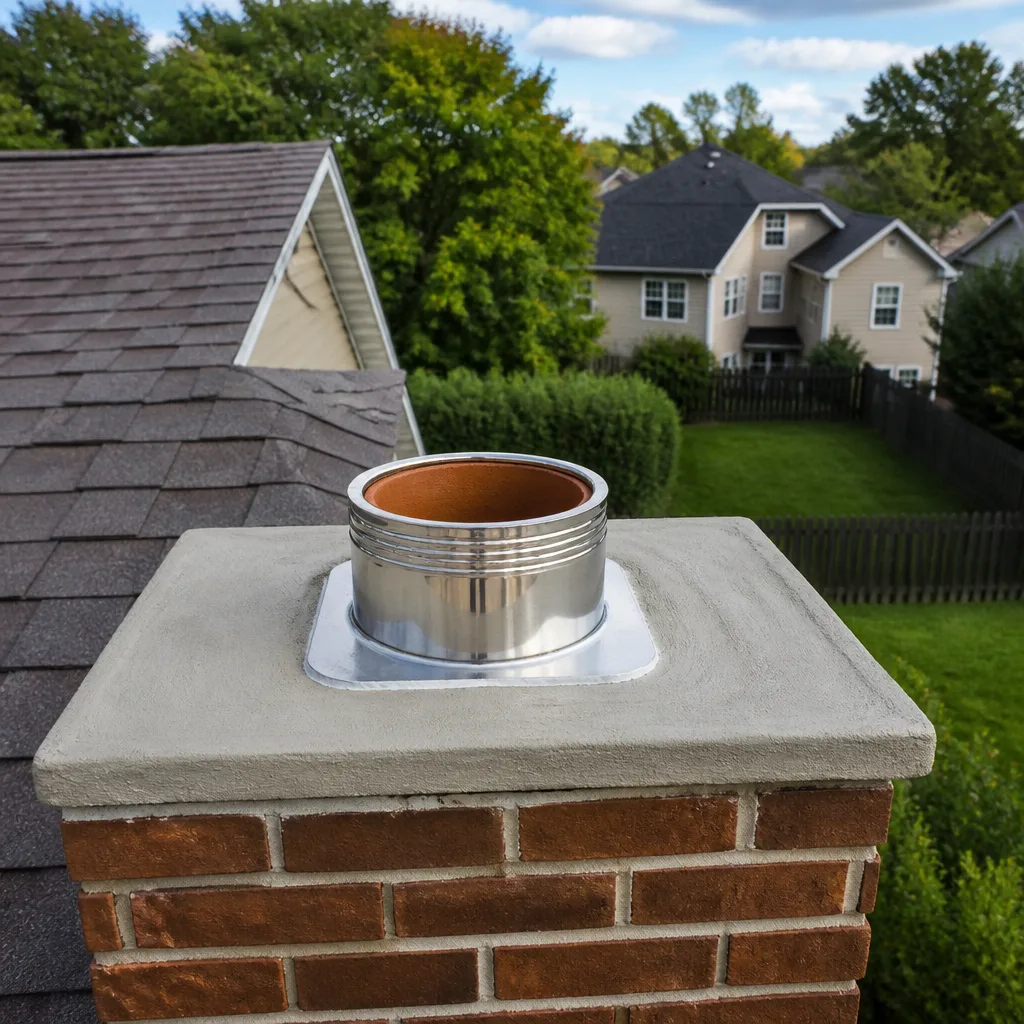
The flue is the zone you can’t meaningfully inspect yourself, and it’s also the zone where the most expensive problems hide. The liner is the barrier between the fire and the wood framing of your house. A masonry chimney has clay tiles; a newer home may have a metal liner in a factory-built chimney. Both degrade, and both fail in ways that are quiet until they aren’t.
Early signs of liner degradation you can see from inside:
- White efflorescence or a chalky film on the flue tiles.
- Flaking or spalling tiles, where pieces break off the surface.
- Cracked or missing mortar joints in the tile stack.
- Flaking, cracking, or crumbling firebox tile where the flue meets the firebox.
Those signs are the ones most often read as cosmetic. Flaking firebox tile is masonry telling you it’s been wet or overheated, and either cause points toward the liner above. A professional inspection with a camera is the only way to look down the full length of the flue and see what’s happening on the inside faces, especially with an offset chimney that bends partway up. A camera inspection and a photo report are worth asking for by name, because you should be able to see what the technician sees.
Liner problems fall into a useful range of fixes, and the fix matters. A damaged liner that’s still structurally sound may be a candidate for HeatShield, a resurfacing system that restores the liner rather than replacing it. A flue with complex offsets or a fully failed liner usually calls for a flexible liner; DuraFlex is the system we install for those cases because it handles the bend that rigid liners can’t. And when the sweep or inspection turns up a problem, the same company handles the repair, so you’re not left to find a separate contractor and start the conversation over. Our technicians have up to 11 years of experience and work with professional-grade brands across the board, including Olympia Chimney, Famco, and Copperfield for caps, dampers, and related components.
What You Can Check vs. What Needs a Pro
A useful maintenance program splits the checks into two buckets: the ones a homeowner can do safely and the ones that need training, tools, and a camera. The split is about safety as much as skill. Some of the work at the top of a chimney involves height and unstable footing, and some of the work at the bottom involves confined spaces and combustion byproducts. Both are reasons to leave certain checks to a trained professional.
Checks you can do yourself:
- Exterior masonry and mortar joints: from the ground, walking the perimeter.
- Crown, cap, and flashing: from the ground with binoculars.
- Firebox and damper: from inside, with a flashlight and no fire lit.
- Efflorescence and water stains: on any visible masonry surfaces.
Checks that need a professional:
- Full flue inspection with a camera, including offsets.
- Creosote evaluation, to determine the stage of buildup and what removal it needs.
- Liner condition, both clay tile and metal.
- Any check that requires roof access.
A word on the dangerous parts. High-tension springs and cables don’t apply to a chimney, but the roof and the flue opening do: a fall from a roof is a serious injury, and an untrained look down a flue can mean exposure to combustion byproducts and soot without proper protective equipment. Don’t climb your own roof for a look at the crown, and don’t try to sweep your own flue. Use binoculars from the ground, and call a professional for the rest. The value of the homeowner checklist is knowing what to flag, not fixing it yourself.
When you do call, ask for inspection first and recommendations second. A good inspection is honest about what can wait and what shouldn’t, and it comes with photo evidence you can look at. That’s the whole reason we offer inspection as a standalone service.
The Draper Seasonal Timing Calendar
Timing is the part of chimney maintenance most often skipped, and in northern Utah it isn’t optional. A chimney that hasn’t been swept since spring is sitting on a season’s worth of creosote by fall. The right rhythm is three touches a year, each one tied to a local season and each one testing something different.
September: pre-burn season.
- Book a professional sweep and inspection before the first fire, so you know what you’re lighting.
- Do a ground-level look at crown, cap, and flashing.
- Test the damper and check the firebox with no fire lit.
September matters because burn season starts before the first hard freeze, and a chimney is easier to schedule in September than in the cold snap. It’s also the right time to close a crown crack before the freeze-thaw cycle begins. Scheduling a sweep ahead of burning season is the single most important step in the year.
January: mid-season after heavy use.
A mid-winter look isn’t a full inspection. It’s a visual pass after the chimney has done real work. Check the firebox for fresh flaking or whitening, listen at the damper for a draft that’s weak or uneven, and look for any snow that sits on the crown after the rest of the roof has cleared (a sign the crown’s surface is breaking up). If creosote has built up noticeably since the fall sweep, schedule another cleaning before you call it a season.
April: post-season, after snowmelt.
Snowmelt is when flashing problems announce themselves. Water that’s been held against the flashing all winter now runs, and the ceiling stain or attic soft spot shows up in April or May. Walk the attic and the interior faces of the chimney, check the flashing again from the ground, and book a professional look at anything that’s changed. A spring check also gives you months of lead time before the next burn season, so repairs can be done when the weather cooperates.
Keeping a Maintenance Log That Matters at Resale
A maintenance log is the cheapest insurance a Draper homeowner can keep, and it’s a document a future buyer will actually read. When a home changes hands, the chimney is one of the systems a buyer’s inspector flags, and the first question is almost always “when was it last serviced, and by whom?” A stack of photos and dates answers that without a word.
Keep the log simple enough that you’ll actually maintain it. One page per year, or a single notes file, with these fields:
- Date of each visit or self-check.
- What was done (sweep, inspection, visual check, repair).
- Findings, in plain language (“crown crack on north face, sealed” or “flue tiles clean, one cracked joint noted”).
- Photos, saved with the date in the filename so they sort in order.
- Who did the work, and what warranty applies.
At resale, this log does three things. It shows a history of care. It gives the buyer’s inspector something concrete to review. And it preserves the record of any liner work, cap installation, or crown repair, which are the items a buyer’s questions land on first. Keep a copy with your closing documents and a copy in the cloud so it survives a phone or a laptop.
The log also helps in the years you’re not selling. A photo from last September and one from this September, taken from the same spot, will show a crown crack that’s widened or flashing that’s moved. You don’t need to be an expert to spot the difference; you only need to look at both photos side by side. That’s the value of the log: it turns a vague memory of “the chimney looked fine” into a documented, comparable record.
Common Mistakes to Avoid
- Treating the crown as decoration. It’s the first component to fail on a northern Utah chimney and the one that protects everything below it. Check it every season, not once a decade.
- Reading flaking firebrick as cosmetic wear. White deposits and spalling firebox tile are the earliest outward sign that the liner above may be degrading. Flag them for a professional, don’t sand them and move on.
- Assuming a sweep is the same as an inspection. A cleaning removes creosote. It doesn’t assess the liner, the crown, or the flashing unless the inspection is part of the visit. Ask for both.
- Skipping the spring check after snowmelt. Flashing problems show up weeks after the last snow, and Draper’s freeze-thaw cycle exposes crown cracks in spring that were invisible in fall.
- Climbing the roof for a look. Binoculars from the ground do the job for a homeowner, and a fall isn’t worth the view. Save the roof access for a trained professional.
- Keeping no record. A sweep with no documentation doesn’t help a buyer and won’t answer an insurance question. Log the date, the finding, and a photo of the result.
- Waiting for a problem to become urgent. Creosote, cracked tile, and water intrusion all get more expensive to fix the longer they sit. Inspection first, recommendations second, and no work done without photo evidence you can see.
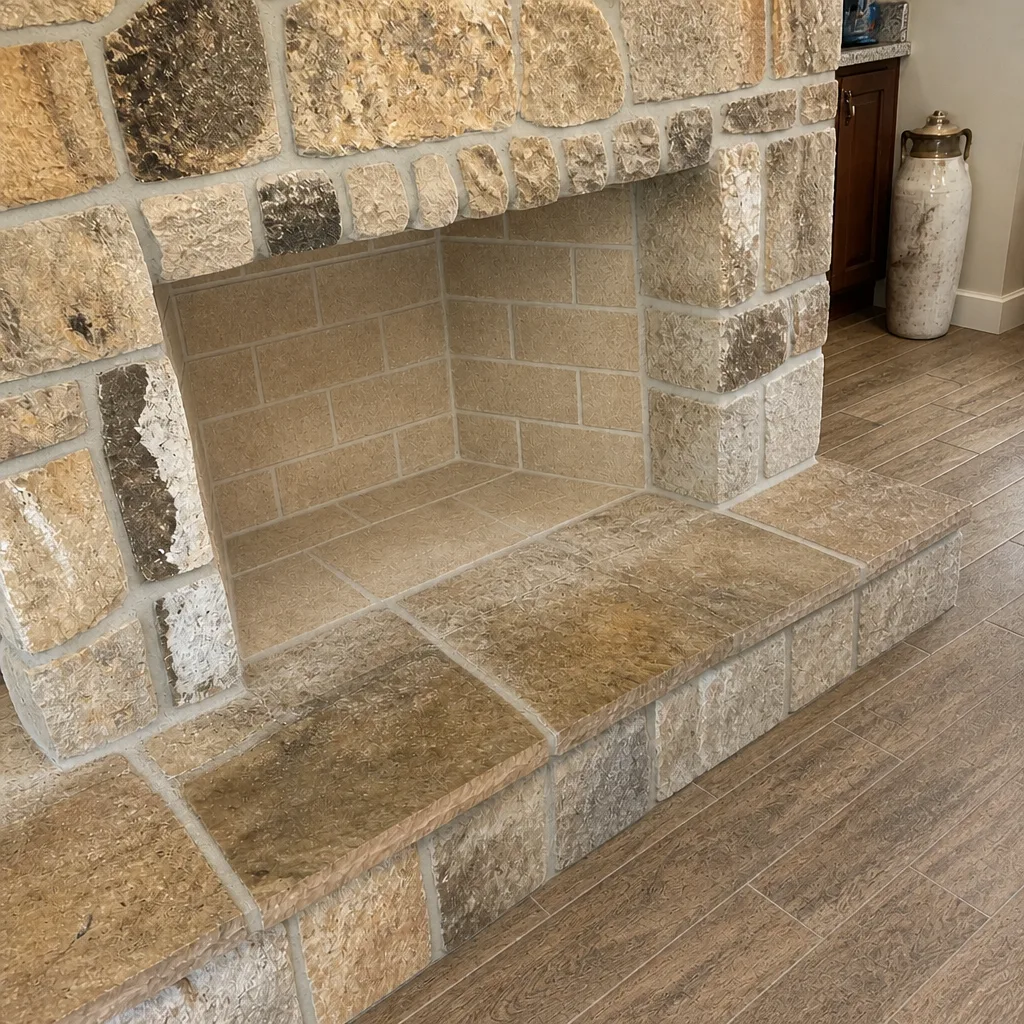
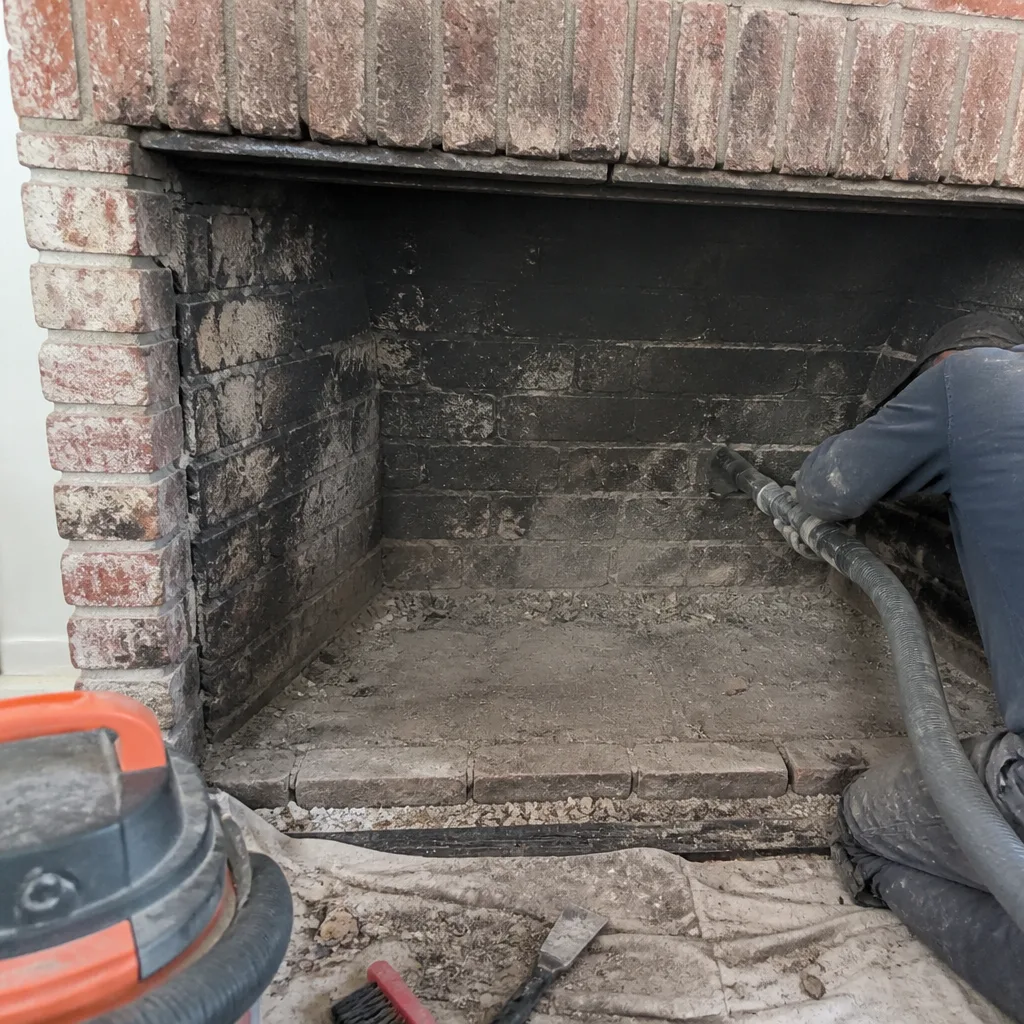
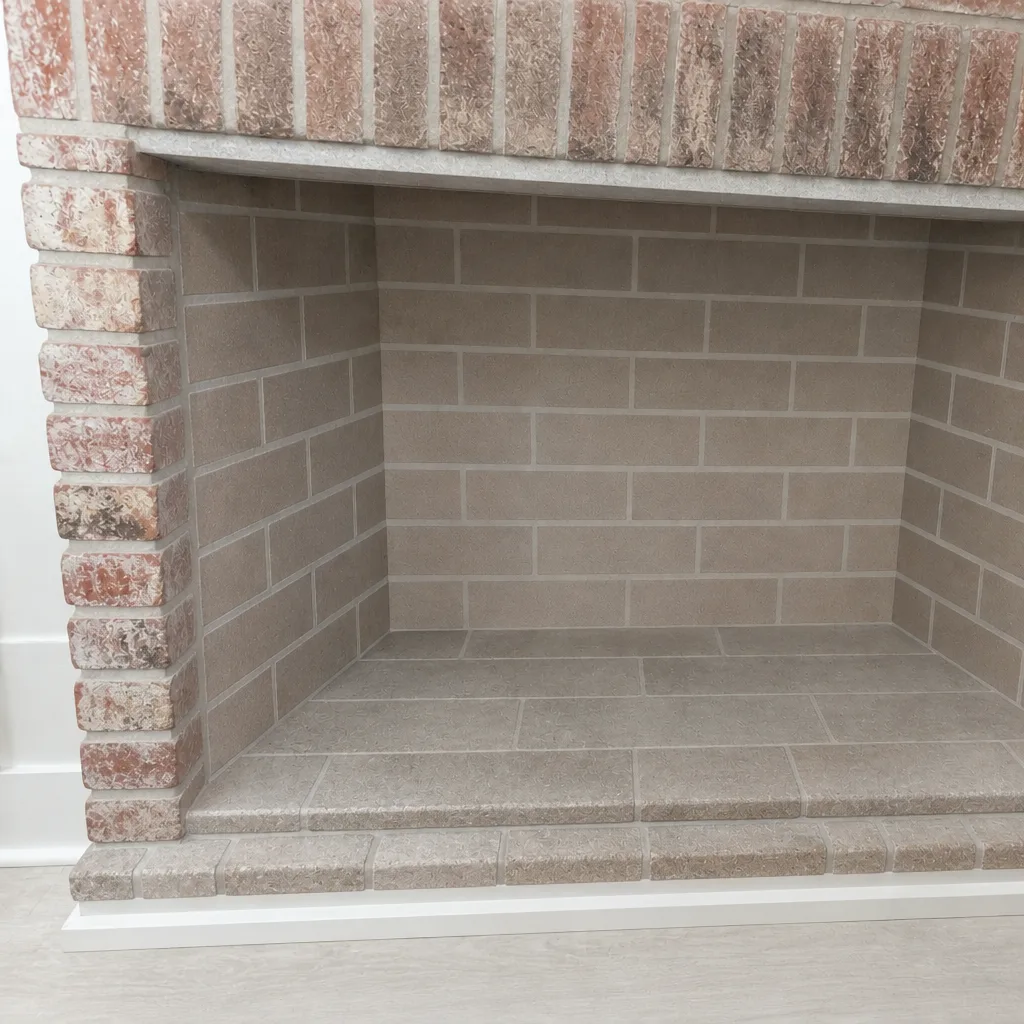
See the difference
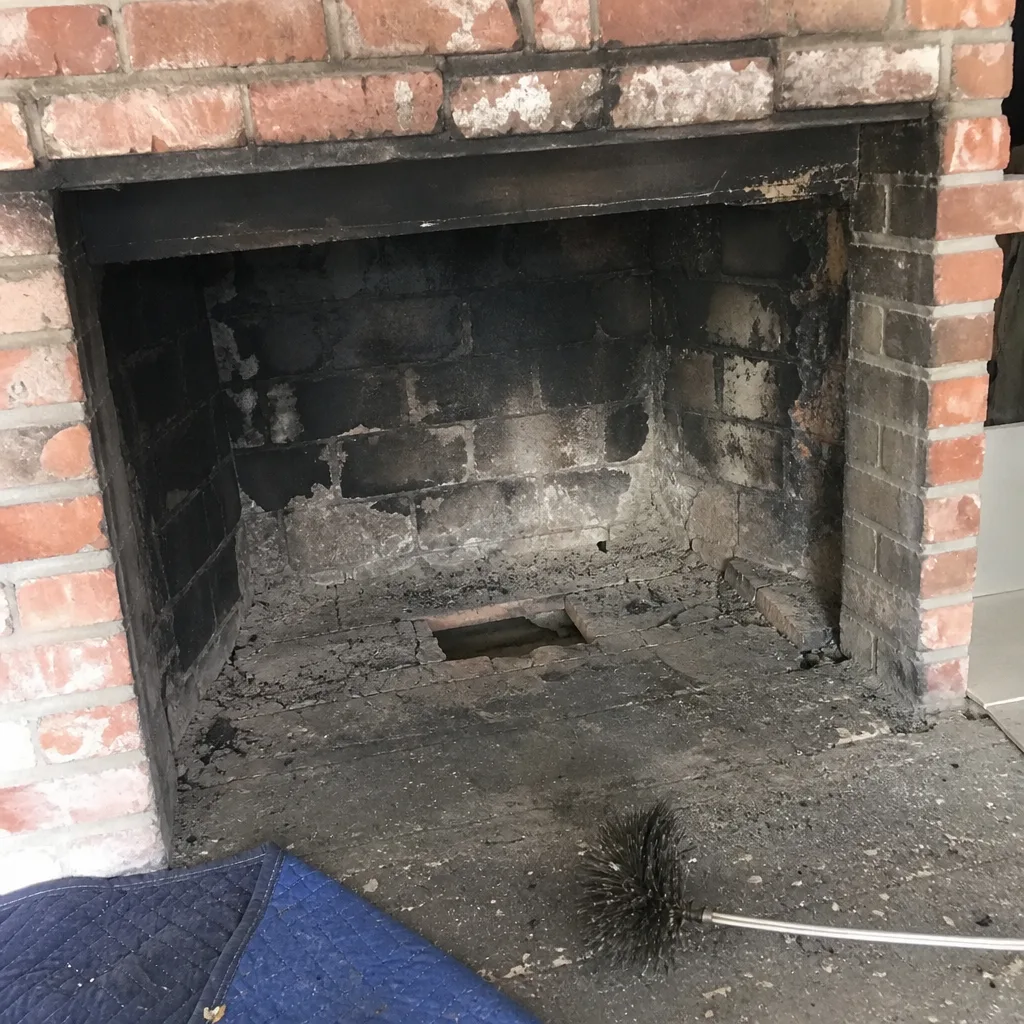 Before
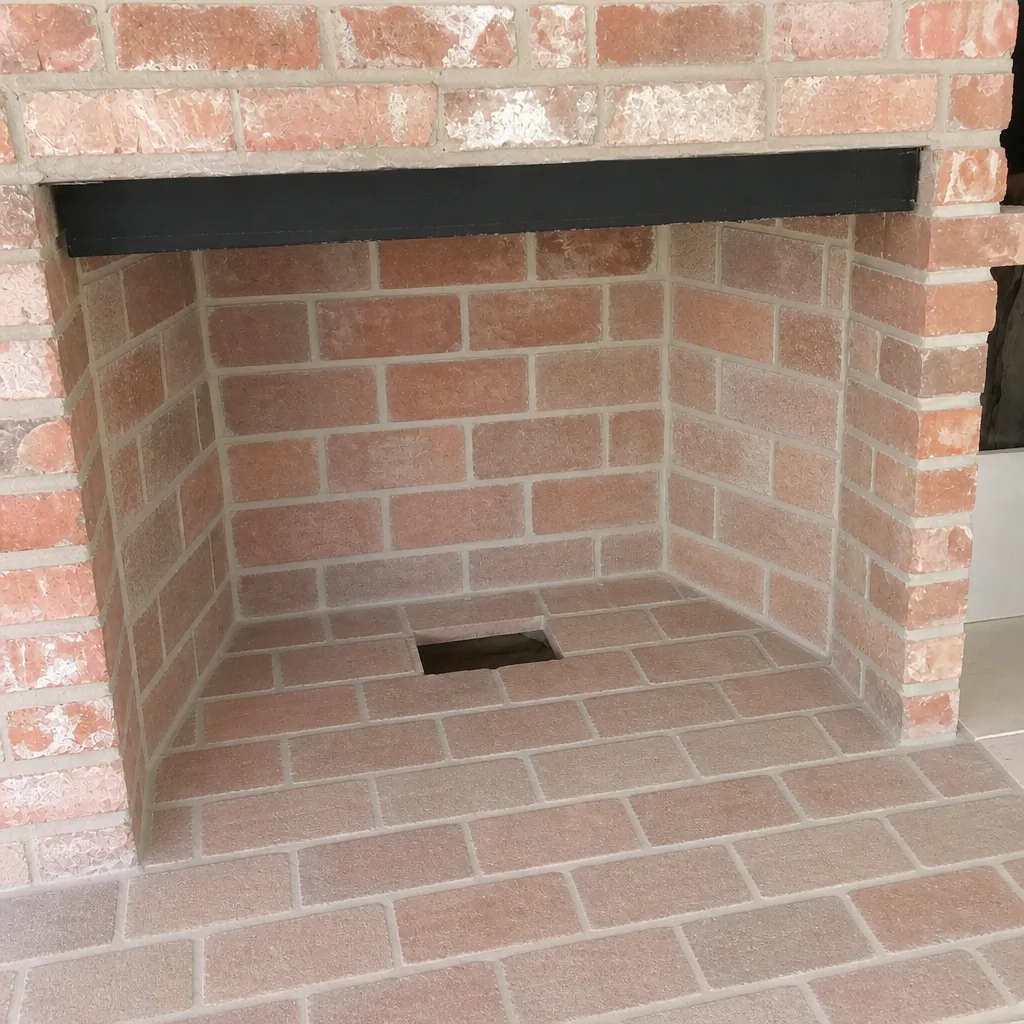 After
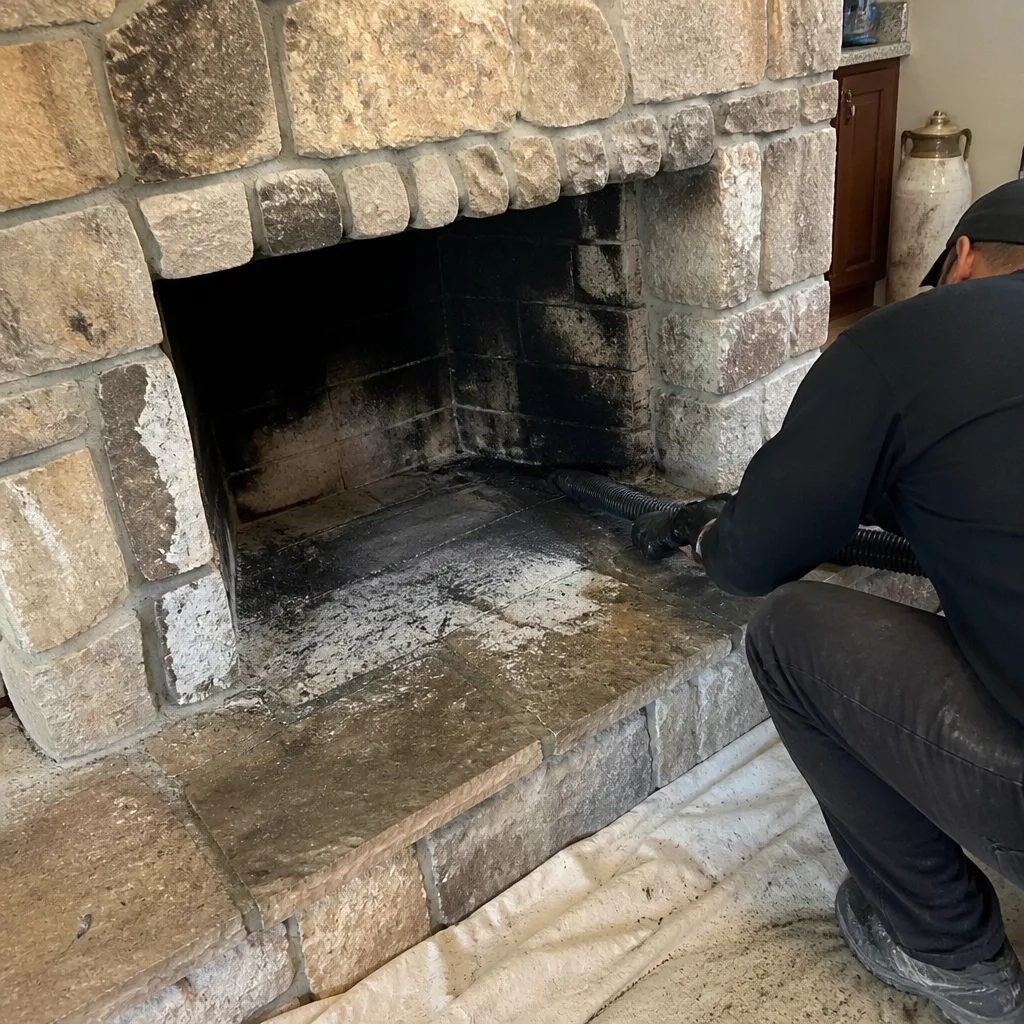 Before
 After
 Before
 After
When to Call a Professional
Some findings are fine to note in the log and revisit. Others are worth a call now, without waiting for the next scheduled visit. Call a professional if you see: a crack in the crown that reaches from the flue to the edge; a gap between crown and flue tile; flashing that’s lifted or separated; white deposits or flaking firebox tile; rust or water stains inside the firebox; a damper that won’t seat; or any change in how the chimney drafts, including smoke rolling into the room. A sweep and inspection before burn season is the right call for every wood-burning home in Draper. Chimney Sweep Draper offers free estimates in Draper; call (866) 947-8303 to book a sweep or a standalone inspection.
Frequently Asked Questions
Once a year for a wood-burning fireplace that sees regular use, and more often if you burn frequently, burn unseasoned wood, or have a flue that drafts poorly. The right time to book it is September, before burn season, so the chimney is clean and inspected before the first fire. If you’ve just bought a home or inherited an older chimney, book a sweep and inspection regardless of when the last one was, because you have no reliable record of what’s been done. Call (866) 947-8303 for an exact quote; estimates are free.
A sweep cleans the chimney; an inspection assesses the whole system. A sweep removes soot and creosote from the flue, while an inspection looks at the cap, crown, flashing, masonry, firebox, damper, and liner, and reports on the condition of each. We offer inspection as a standalone service so you can get an honest assessment of your chimney in Draper without it being lumped into a cleaning, and we use a camera inspection with a photo report so you can see the findings yourself. Call (866) 947-8303 for an exact quote; estimates are free.
White efflorescence, flaking or spalling firebox tile, chalky deposits on flue tiles, and cracked or missing mortar joints in the tile stack. These are the signs most often mistaken for cosmetic wear, and they’re the first outward indication that the liner above is losing integrity. A camera inspection is the only way to see the full length of the flue, especially with an offset chimney, and to decide whether the liner can be resurfaced with HeatShield, replaced with a flexible liner, or simply monitored. Call (866) 947-8303 for an exact quote; estimates are free.
You can safely check the crown, cap, flashing, and exterior masonry from the ground with binoculars, and the firebox and damper from inside with a flashlight and no fire lit. You should not climb your own roof or sweep your own flue; falls and exposure to combustion byproducts are both real hazards. The flue interior needs a trained technician with a camera. The useful homeowner role is spotting changes and flagging them, not fixing them. Call (866) 947-8303 for an exact quote; estimates are free.
Because of freeze-thaw cycling. Northern Utah’s winters swing between warm days and below-freezing nights, which freezes water inside crown cracks, expands it, and widens the crack a little more with every cycle. The foothill neighborhoods around Corner Canyon and SunCrest see more wind-driven precipitation, which loads even more moisture onto the crown. Two to three seasons of that is enough to reach the liner below. A tight cap and a sound crown are what keep that cycle from starting. Call (866) 947-8303 for an exact quote; estimates are free.
It depends on the condition of the liner, and that’s a decision for a camera inspection, not a guess. A liner that’s still structurally sound but has surface damage may be a candidate for HeatShield resurfacing, which extends the liner’s life without full replacement. A fully failed liner, or a flue with complex offsets, may call for a flexible liner such as DuraFlex. We recommend a restoration only when the evidence supports it and the work is safe to defer, and we show you the camera footage so you can see the reasoning. Call (866) 947-8303 for an exact quote; estimates are free.
The Bottom Line
A chimney maintenance checklist works when it’s tied to actual failure points, not a single annual to-do. The crown fails first in Draper, the flashing reveals itself after snowmelt, and the flue hides its problems until a camera looks inside. Work the seven zones, keep the checks a homeowner can safely do, hand the rest to a professional, and log every visit in a format a future buyer can read. The rhythm is September before burn season, January after heavy use, and April after the thaw. Stay ahead of the crown, and the rest of the system tends to follow.
If it’s time for a sweep or an inspection, call (866) 947-8303 for a free estimate. We answer 24/7. Fast dispatch from 7am to 7pm, Sunday through Friday. Chimney Sweep Draper handles sweeping, inspection, fireplace repair, chimney repair, and cap and crown installation, and we work in professional-grade brands including DuraFlex, HeatShield, Olympia Chimney, Famco, and Copperfield.
Written by the team at Chimney Sweep Draper.