
Last updated November 24, 2026
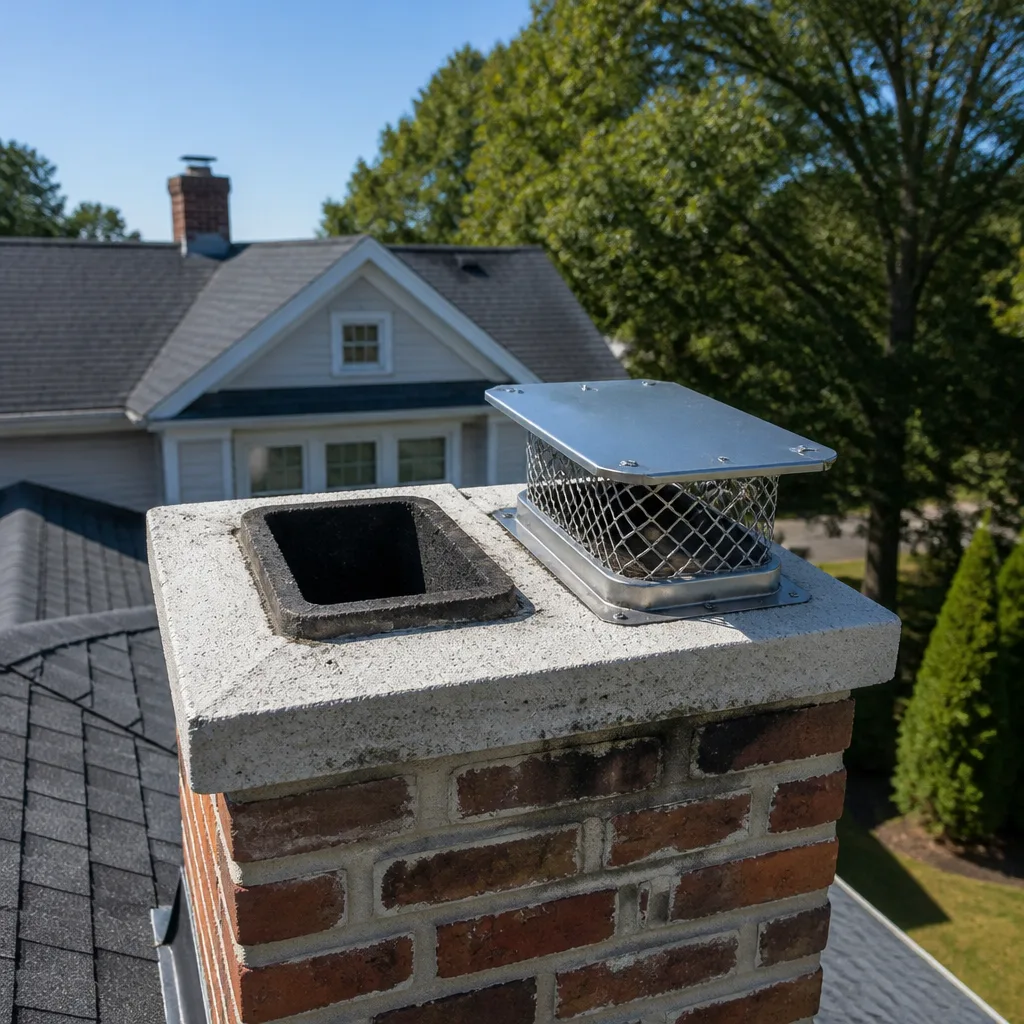 Sweep & inspection
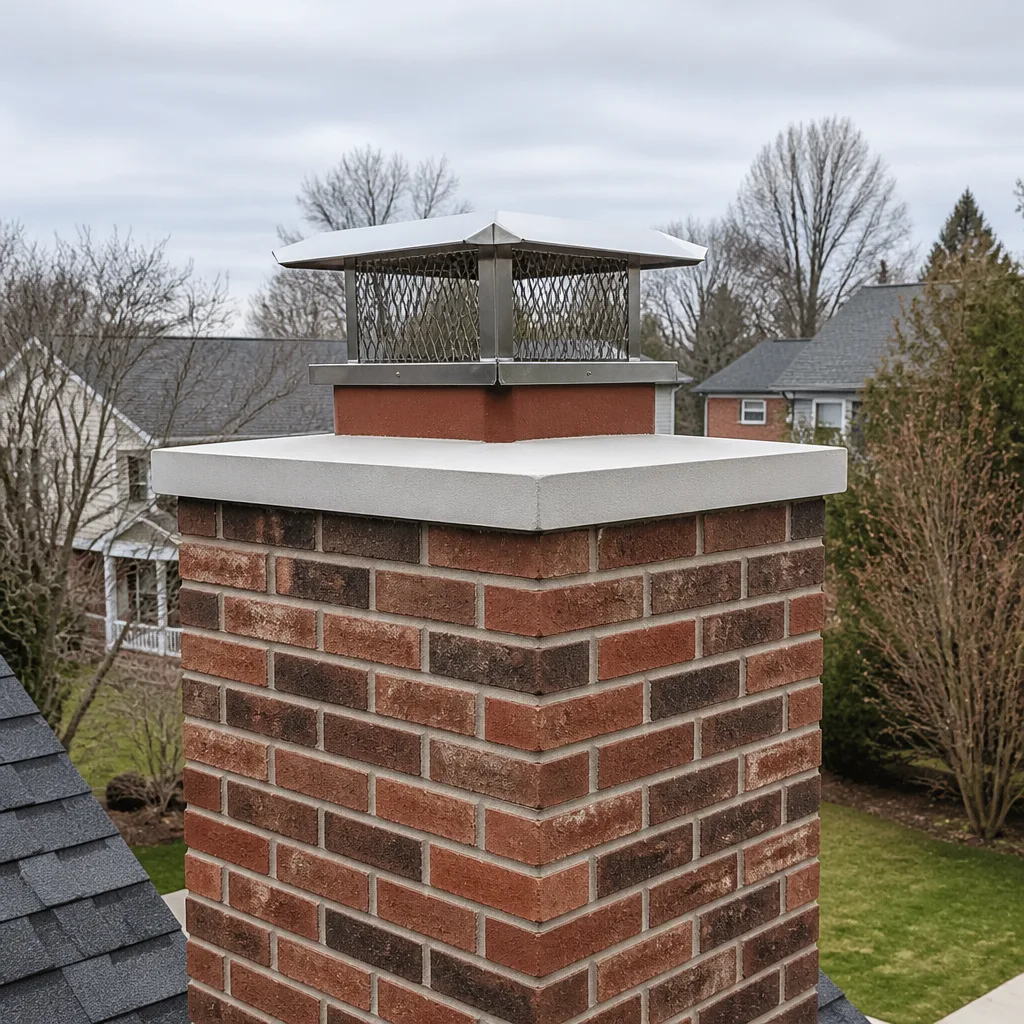 Caps & crowns
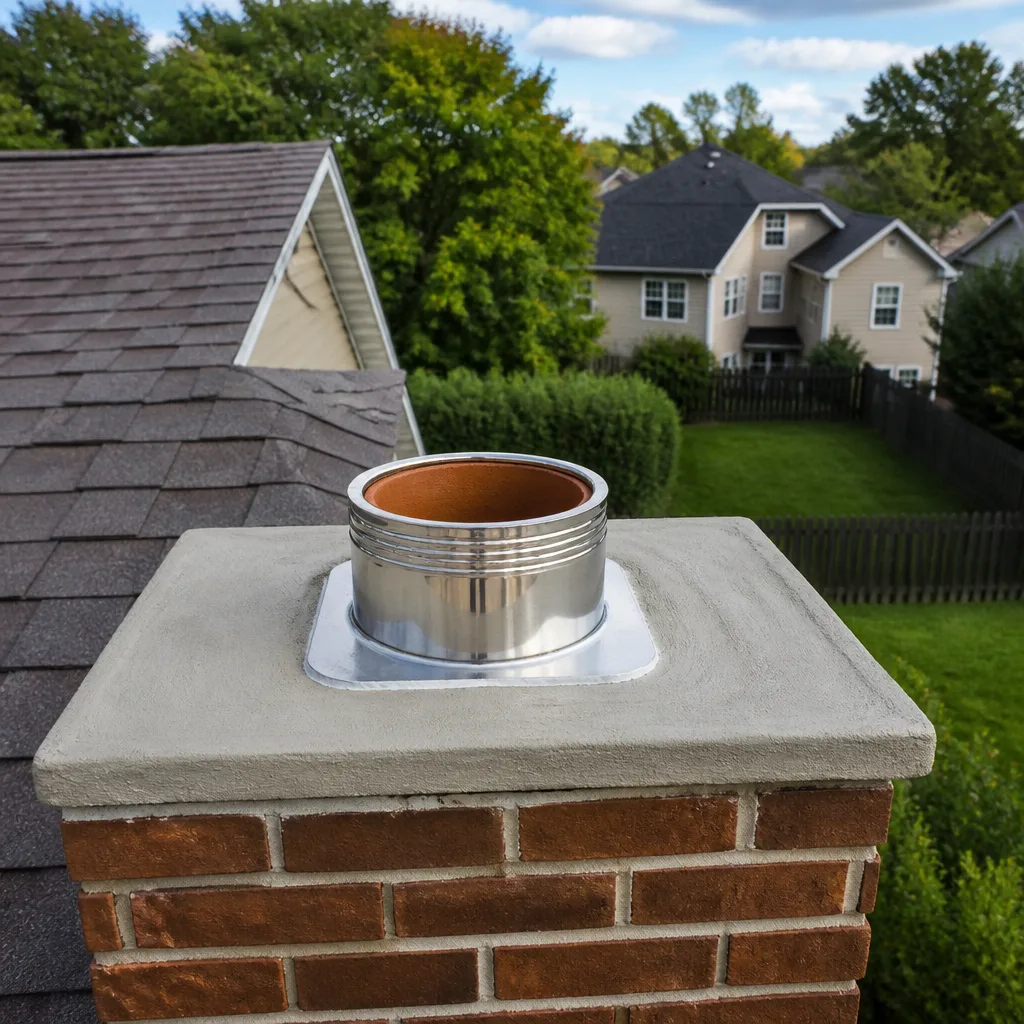 Flue relining
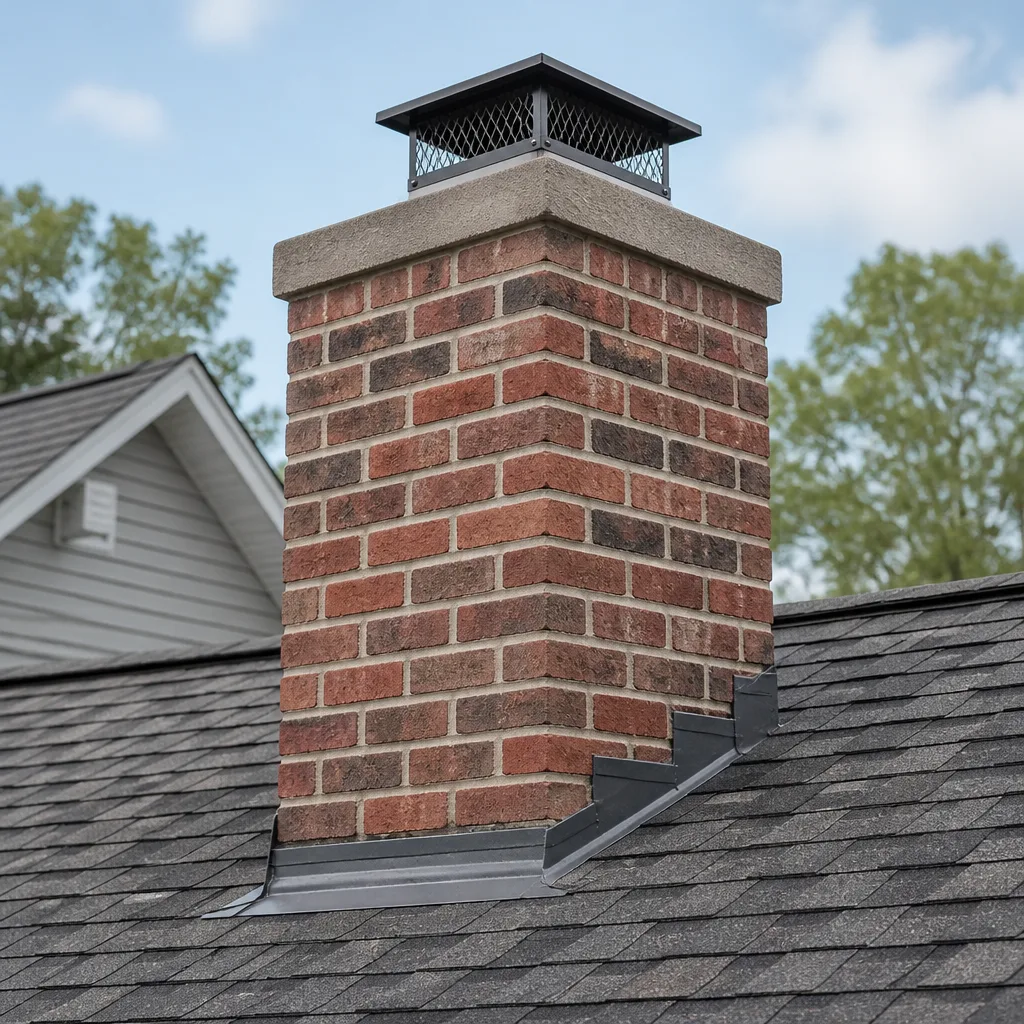 Masonry repair
 Gas fireplace service
Level 1 sweep and inspection to the NFPA 211 annual standard - flue, crown, cap, and flashing checked and photographed
Chimney sweep logs do not sweep chimneys. They loosen some creosote - which then falls where a brush and vacuum still have to collect it.
Chimney Cleaning Emergency Preparedness Guide for Draper Homes
A chimney fire doesn’t announce itself the way people expect. It sounds like a low roar, sometimes a freight train grinding through the walls, and plenty of homeowners hear it and figure it’s the wind coming off the Wasatch foothills. So they pile on another split and keep burning for twenty minutes while the flue liner cooks at temperatures past 2,000°F. A wood fire is supposed to stay inside the firebox and travel up a sound flue. When it doesn’t, you have a narrow window in which what you do next either contains the problem or makes it worse. This guide is the plan most Draper homes don’t have: what to do in the first fifteen minutes of a chimney fire, a carbon monoxide event, or a sudden loss of draft.
Quick Answer
In a chimney fire, close the damper and glass doors, get everyone out, and call 911 – never reopen the damper and never throw water into the firebox. If a CO alarm sounds near the fireplace or you get headaches during burns, stop burning and ventilate, then treat it as a possible flue problem. For smoke rolling into the room during normal burning, open a window, reduce the fire, check the damper, and don’t use the fireplace again until a professional has inspected the flue. Every one of those events earns a Level 2 inspection before the fireplace gets reused.
Styles & brands we work with
- Sweep & inspection
- Caps & crowns
- Flue relining
- Masonry repair
- Gas fireplace service
Table of Contents
- What to do in the first 15 minutes of a chimney fire
- Carbon monoxide intrusion: the signs Draper homeowners miss
- Sudden draft failure: why smoke comes into the room
- Why a Level 2 inspection is required after any chimney fire
- Pre-season emergency readiness checklist
- How Draper’s climate and housing shape the risk
- Common mistakes to avoid
- Frequently asked questions
What to do in the first 15 minutes of a chimney fire
A chimney fire is burning inside the flue, not in the firebox. That’s the single fact that changes every decision you make in the next fifteen minutes. The fire is consuming creosote that has built up on the flue walls, and creosote burns hot enough to warp metal liners, crack clay tiles, and ignite the wood framing that sits close to the chimney. The steps below are ordered for a reason. Follow them in sequence.
- Close the damper immediately. Cutting the air supply starves the fire of the oxygen feeding it and slows the burn. This is the fastest action you can take.
- Close the glass doors on the fireplace. If the fire has spilled or smoke is pushing into the room, the doors keep flame and embers inside the box.
- Get everyone out of the house and call 911 from outside. A chimney fire can extend into the structure through cracks in a compromised flue. That is not a call you make from the living room.
- Do not reopen the damper. Reopening it feeds the fire a fresh rush of oxygen and can turn a smoldering creosote fire into a violent flare. It’s the mistake that does the most damage.
- Never pour water down the flue or into the firebox. Water hitting a flue that hot can crack tiles and metal liners instantly, and steam can drive smoke and heat back into the room. Let the fire starve and let the fire department handle it.
Each of these steps protects the structure in a different way. Closing the damper handles the fuel. Closing the doors handles the containment. Evacuating handles the people. Not reopening and not adding water handle the flue itself. In our experience, the damage we see after a confirmed chimney fire is almost always worse when the homeowner fed the fire or flooded it. If you smell a strong, hot, tar-like odor and hear that roar, treat it as a live chimney fire until a professional tells you otherwise.
Carbon monoxide intrusion: the signs Draper homeowners miss
Carbon monoxide from a chimney system rarely arrives as an obvious crisis. It arrives as a headache you shrug off, a bout of nausea after an evening by the fire, or a CO alarm that chirps once near the fireplace and then goes quiet. Any of those three during or shortly after a fire is a signal to stop burning and ventilate the house. CO is colorless and odorless, which is exactly why the symptoms and the alarm matter more than your nose.
There are two distinct ways CO enters a Draper home through a chimney system, and they call for different responses.
- Spillage happens when the flue can’t carry all the exhaust up and out during normal burning, and combustion gases roll out of the firebox opening into the room. Blocked flues, a cold exterior chimney that hasn’t warmed up, and a house that’s depressurized by exhaust fans all cause it. Spillage is usually the milder problem, but it’s the warning sign that the system isn’t venting correctly.
- Backdraft is a reversal of flow: the chimney pulls air down and pushes exhaust back into the room instead of up. A negative-pressure house, a flue that’s too short for the appliance, or wind coming over the roofline can flip the draft. Backdraft is more dangerous because it can fill a room fast.
If a CO alarm anywhere in the home activates, get everyone outside and call 911 before you do anything else. If you suspect spillage because of symptoms but no alarm, open windows, extinguish the fire safely, and don’t relight until the flue has been inspected. A chimney problem and a household CO problem can look identical from the living room. A proper inspection narrows it down.
Sudden draft failure: why smoke comes into the room
Smoke rolling into the room during an ordinary burn means the draft has failed, and the fireplace has become a hazard rather than a source of heat. Draft failure doesn’t always mean you had a chimney fire – it can be a blocked flue, a damper stuck partway open, a bird nest, or simply a cold flue meeting a warm house on a fall evening. But you can’t tell which without an inspection, so treat smoke in the room as a stop-burning signal.
Here’s what to do the moment you notice it:
- Open a window near the fireplace. A sudden supply of air can rebalance the pressure and let the flue re-establish its upward pull, which clears the room faster.
- Reduce the fire. Stop adding wood and let the existing fire burn down. A smaller fire produces less smoke to overwhelm the flue.
- Check the damper position. Make sure it’s fully open and hasn’t been knocked shut by a log. A partially closed damper chokes the draft.
- Cool the room and keep windows open until the smoke clears and the fire is out.
- Do not use that fireplace again until it’s been inspected. This is the step homeowners skip most often.
A single smoke-in-the-room event can be a cold flue or an open damper, and it may not repeat. The trouble is a blocked or cracked flue produces the same symptom, and the next fire could push exhaust back in with the doors closed and the house shut up for the night. That’s the scenario you don’t want to walk into. The inspection that follows a draft failure is cheap insurance against that night, and it’s the reason we always recommend it before relighting. You can book a chimney sweep and have the flue checked at the same visit.
Why a Level 2 inspection is required after any chimney fire
After a confirmed chimney fire, the fireplace should not be used again until it has had a Level 2 inspection. A Level 2 inspection is the recognized standard for evaluating a flue following a chimney fire, a property sale, an appliance change, or any event that might have damaged the system. It’s more than a visual check – it’s a thorough examination of the accessible portions of the flue, the firebox, the damper, the smoke chamber, and the chimney exterior, using a camera to see inside the flue where the fire burned hottest.
Here’s what that inspection is actually looking for:
- Cracked or spalled clay tiles – the most common fire damage in a masonry flue, and the pathway for heat to reach framing.
- Warped or separated metal liners – if the home has a stainless liner, heat can distort it or open seams at the joints.
- Damaged damper and smoke chamber – warping or gaps here let exhaust bypass the flue.
- Creosote remaining after the event – the fire may not have consumed all of the glaze, and what’s left can re-ignite.
- Exterior damage – cracks in the chimney crown or masonry that let water in and weaken the structure.
The reason this matters is simple: a flue that looks fine from the firebox can have a hairline crack a few feet up that you can’t see without a camera. The camera is the point. In our experience, homeowners who have just had a scare want concrete evidence, not a sales pitch, and a camera inspection gives them exactly that. We don’t recommend relining or structural work without photo evidence you can look at yourself, and if the flue is sound, we tell you so and send you back to your fireplace. Inspection first, recommendations second. If the fire did damage the liner, the fix – whether that’s a chimney repair or a full reline – is a separate conversation you can have once you understand the findings.
Pre-season emergency readiness checklist
You can prepare for all three of these emergencies before the first cold night, and it takes an afternoon. Readiness is the difference between reacting well in a crisis and fumbling for the damper in the dark. Here’s the checklist we’d hand a Draper homeowner heading into burning season.
- Install CO detectors and test them. Place one on every level of the home and specifically within 10 feet of every sleeping area, so it wakes people up. Test the batteries before the season starts.
- Keep a Class A fire extinguisher within reach of the firebox. Class A covers wood and paper fires. Know where it is and how to use it before you need it.
- Know your local fire response. Confirm how the Draper Fire Department handles a chimney fire call in your area – they respond to chimney fires as structure fire calls, so call 911 the moment you suspect one. Knowing that ahead of time removes hesitation.
- Learn your damper. Find it, practice opening and closing it, and confirm it operates smoothly. In a chimney fire, closing it fast is your first move.
- Have the flue inspected and swept before the season. A clean flue with less creosote is a flue with less to burn. This is the single most effective preparation step.
- Clear the area around the hearth. Keep rugs, kindling, and furniture back from the firebox.
The CO detector placement is the one most people get wrong. A single detector in a hallway doesn’t wake a sleeping family if it’s two rooms away. Within 10 feet of the sleeping areas is the standard, and it’s the placement that matters most on a night when everyone’s asleep and the fire’s been banked down for the night.
How Draper’s climate and housing shape the risk
Draper sits at the base of the Wasatch foothills, and that geography does a few things to chimney systems. Inversions settle cold air in the valley during winter, and a cold, dense column of air doesn’t draft as readily as warm air does. A chimney flue that’s cold at the start of an evening needs to warm up before it pulls well, and on a still inversion night, that warmup takes longer. That’s part of why smoke-in-the-room episodes cluster on cold, still nights in Draper.
The housing stock matters too. Older homes along the Draper bench often have masonry chimneys with clay tile flues, and those tiles crack over decades of heating and cooling. Homes built more recently often have factory-built fireplaces with metal liners, which handle the heat differently. If you’ve moved into an inherited or recently purchased property, you may not know which system you have, let alone when it was last inspected. That’s exactly the situation where a standalone inspection pays for itself – you get an honest read on the system before your first fire.
Draper’s burning season is long. Cold nights start early, and the fire can be running into spring. The more hours a fire burns over a season, the more creosote accumulates on the flue walls, and the more likely a chimney fire becomes. A wood-burning fireplace in continuous use benefits from an annual sweep so the creosote never reaches the point where it’s dangerous. Wind coming off the foothills adds its own wrinkle – gusts over the roofline can cause downdraft and backdraft, especially on chimneys whose height or cap wasn’t designed for it. If you’ve noticed the fireplace acts up on windy days, that’s a design problem worth having inspected, not something to just live with.
Common Mistakes to Avoid
- Reopening the damper during a chimney fire. A rush of oxygen can flare the fire inside the flue and worsen the damage. Leave it closed and let the fire department assess the chimney.
- Pouring water into the firebox or down the flue. The temperature shock can crack clay tiles and warp metal liners. Water is not the tool here.
- Burning through a smoke-in-the-room episode. Once smoke has entered the room, the flue has failed to draft. Shut the fire down and get it inspected before relighting, no exceptions.
- Skipping the post-fire inspection. A flue can look intact from the hearth and still have a crack higher up. A Level 2 inspection with a camera is the only way to know.
- Putting the CO detector in the wrong place. A detector in a hallway two rooms from the bedrooms won’t reliably wake anyone. Within 10 feet of sleeping areas is the standard.
- Assuming the wind is what you’re hearing. On a windy Draper night, it’s easy to dismiss a low roar as a gust off the bench. If the sound comes from the chimney and doesn’t stop when the wind dies, treat it as a chimney fire.
- Waiting until something goes wrong to schedule a sweep. The best time to catch a flue problem is before the fire season, when a sweep and inspection can be done calmly – not at 10pm on a cold night with smoke in the room.
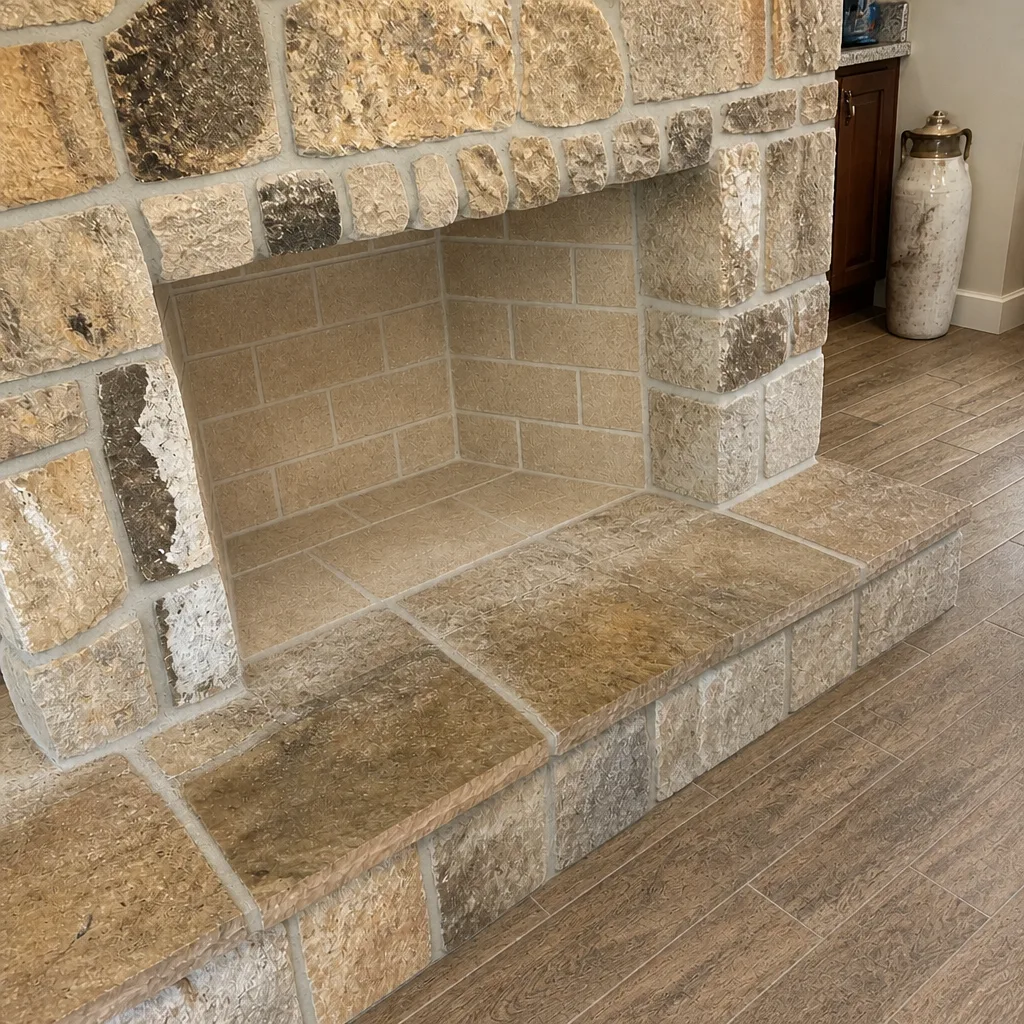
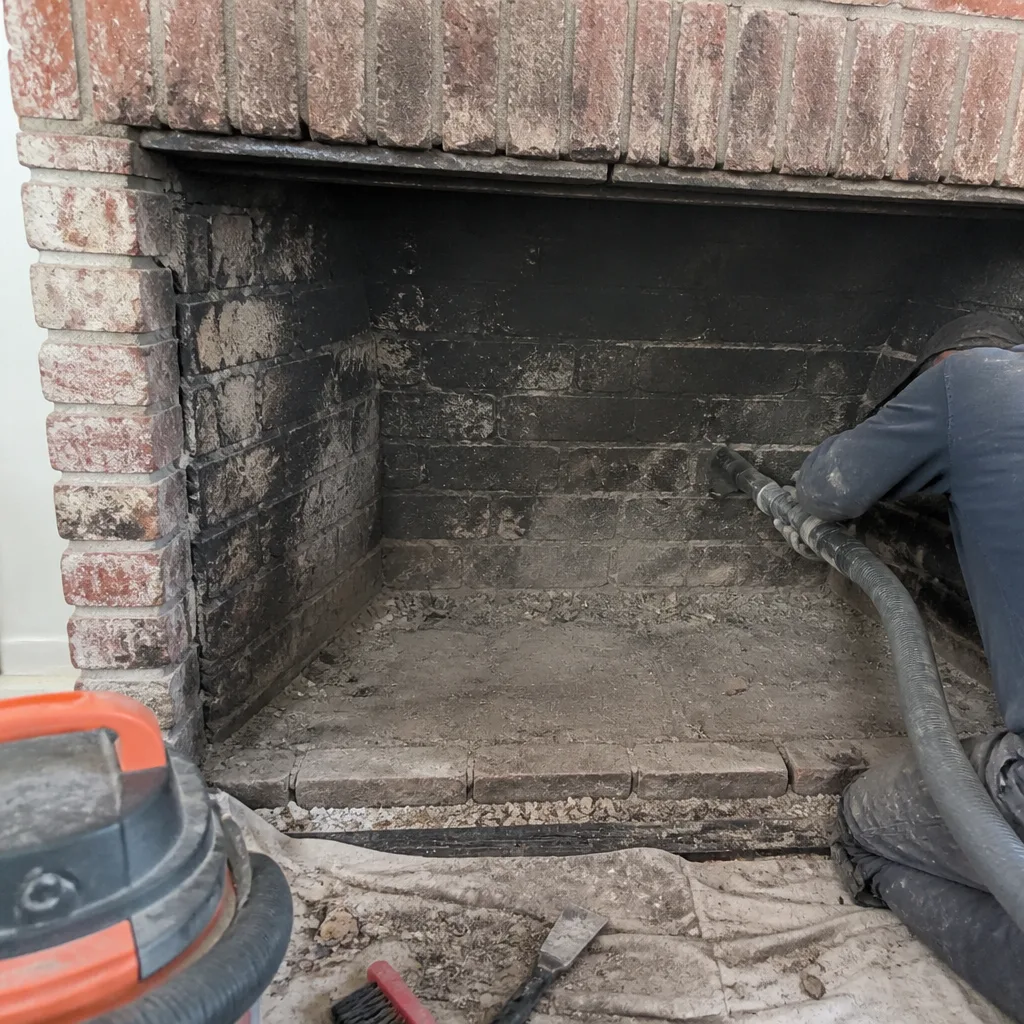
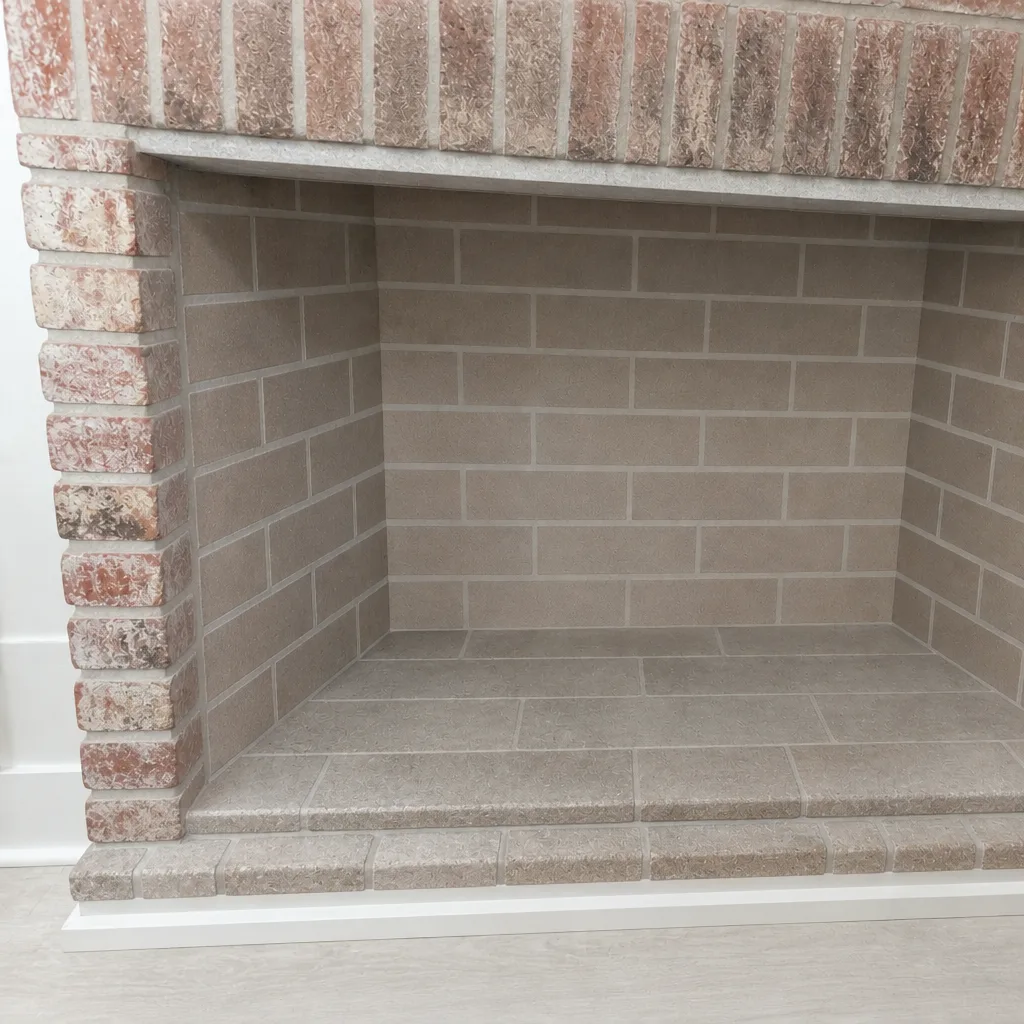
See the difference
 Before
 After
 Before
 After
 Before
 After
When to Call a Professional
Call a professional after any confirmed chimney fire, any episode of smoke entering the room during normal burning, or any CO alarm activation near the fireplace or stove. Call after a draft failure that doesn’t resolve when the damper is fully open and the flue has warmed. Call if you’ve moved into a home and don’t know when the chimney was last inspected, or if the last cleaning is more than a burning season behind you. And call if you simply want to know the condition of your system before the season starts, because an inspection is the honest way to find out. Our technicians have up to 11 years of experience with these exact scenarios. Chimney Sweep Draper offers free estimates in Draper – call (866) 947-8303. We answer 24/7. Fast dispatch from 7am to 7pm, Sunday through Friday.
Frequently Asked Questions
Close the damper, close the glass doors, get everyone out, and call 911 from outside. Do not reopen the damper and do not pour water into the firebox. A chimney fire burns inside the flue at temperatures that can damage the liner fast, so your priority is containment and getting people out, not fighting it yourself. If you’re unsure whether it’s a fire or just wind, treat it as a fire until a professional says otherwise.
The clearest sign is that symptoms or alarm activity line up with burning – headaches, nausea, or an alarm near the fireplace during or right after a fire. CO from a chimney system comes from spillage (exhaust rolling into the room when the flue can’t carry it) or backdraft (the flue pulling air the wrong way). If you suspect either, stop burning, ventilate, and get the flue inspected. If a CO alarm activates, leave the house and call 911 first. Call (866) 947-8303 for an inspection once everyone is safe – estimates are free.
You need a Level 2 inspection – a camera inspection is the only way to see cracks or liner damage higher up in the flue. A visual check from the firebox can miss a hairline fracture in a clay tile or a separated joint in a metal liner, and that gap is the pathway for heat to reach framing. The inspection first, recommendations second, is the honest order of operations. Call (866) 947-8303 to book one – estimates are free.
Once a year is the working standard for a fireplace in regular use, and it’s the sweep that keeps creosote from building up to the point where a chimney fire becomes likely. Draper’s long burning season means a fireplace can run for many hours across the year, which builds creosote faster than occasional use. If you’ve moved into a home and don’t know the last sweep date, treat it as overdue and schedule one. Call (866) 947-8303 – estimates are free.
Yes. Smoke in the room during normal burning means the draft failed, and the cause could be a cold flue, an open damper, a nest, or a crack in the flue – and you can’t tell which from the living room. The next fire could push exhaust back in with the doors closed. Don’t relight until it’s been inspected. Call (866) 947-8303 to schedule one – estimates are free.
A damaged flue can let heat or carbon monoxide into the structure, which is the scenario a post-fire inspection exists to prevent. The fire may have done no lasting harm, and an inspection will tell you that – or it may have opened a gap you can’t see. Either way, knowing is cheap and not knowing is the risk. Call (866) 947-8303 for an inspection with photo evidence you can review yourself – estimates are free.
The Bottom Line
Chimney emergencies give you a narrow window, and the response is short and specific. In a chimney fire: close the damper, close the doors, evacuate, call 911, don’t reopen and don’t add water. In a CO event: get out, call 911, ventilate, and inspect before relighting. In a draft failure: open a window, reduce the fire, check the damper, and inspect before using the fireplace again. Any of the three earns a Level 2 inspection before the next fire. The preparation happens before the season: a working CO detector near the sleeping areas, a Class A extinguisher at the hearth, and a clean, inspected flue. Pour the effort into the last one, and a Chimney Sweep Draper visit is where it starts. If a repair turns up during inspection, the same company handles the fireplace repair rather than sending you to a second contractor, and any liner work uses professional-grade materials like DuraFlex, HeatShield, Gelco, or Olympia Chimney. One company from sweep to repair means the findings don’t get lost between visits.
Call (866) 947-8303 for a free estimate. We answer 24/7. Fast dispatch from 7am to 7pm, Sunday through Friday. Inspections are standalone, we don’t recommend work without camera evidence you can see, and we’ll tell you plainly when something can safely wait.
Written by the team at Chimney Sweep Draper.