
Last updated November 24, 2026
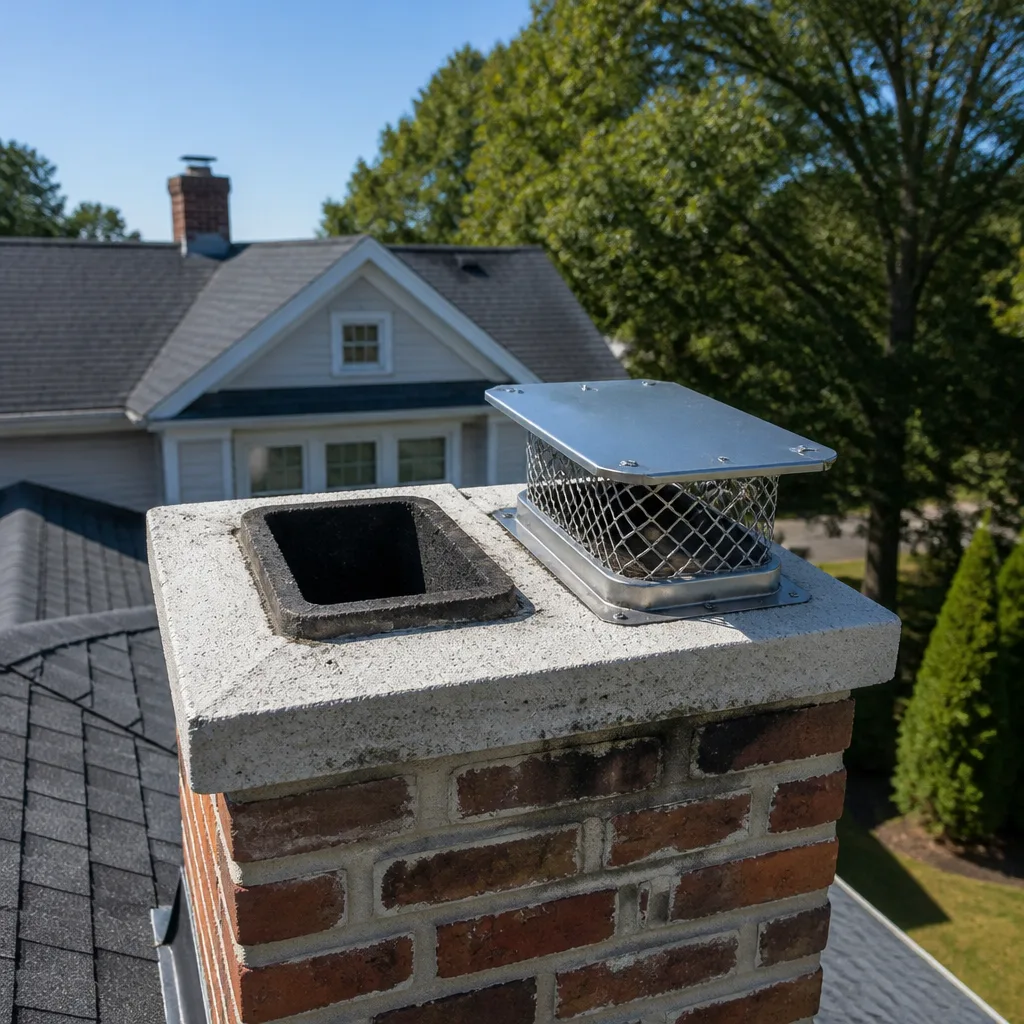 Sweep & inspection
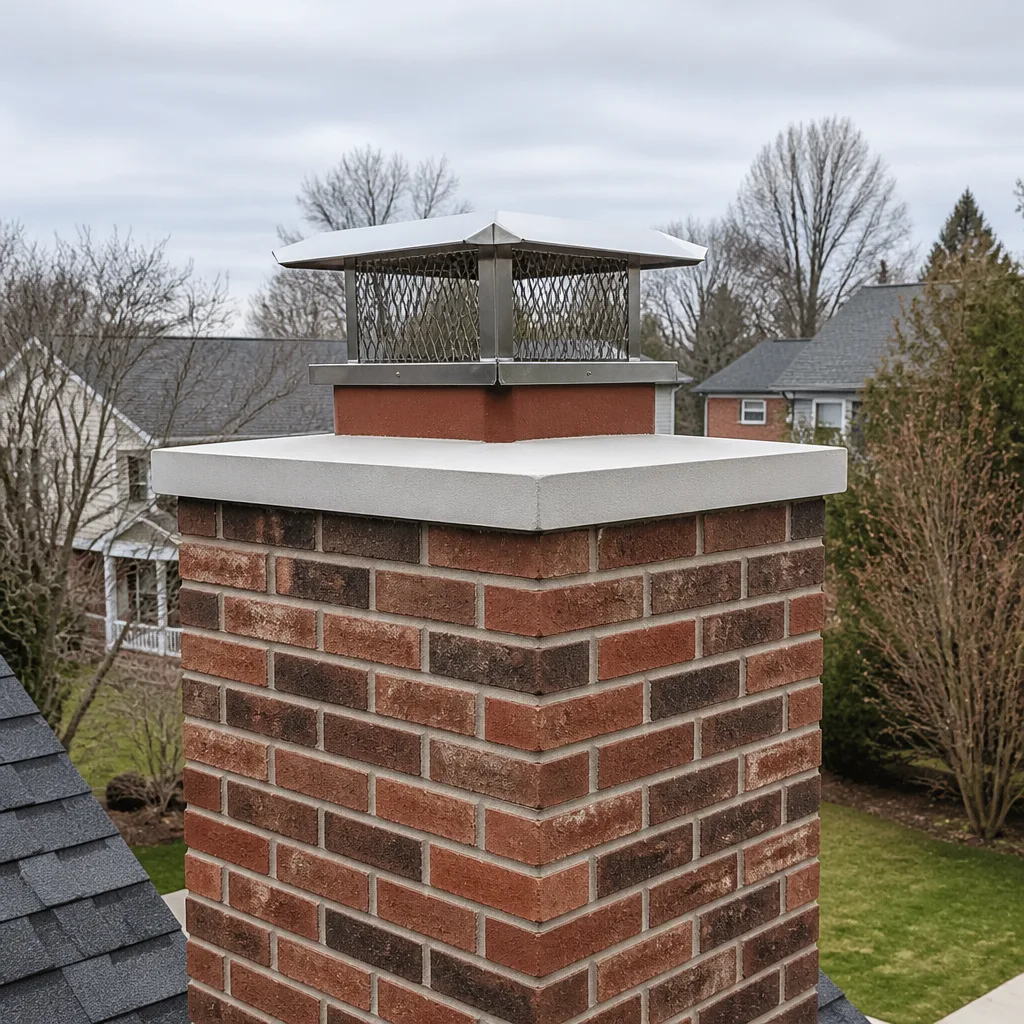 Caps & crowns
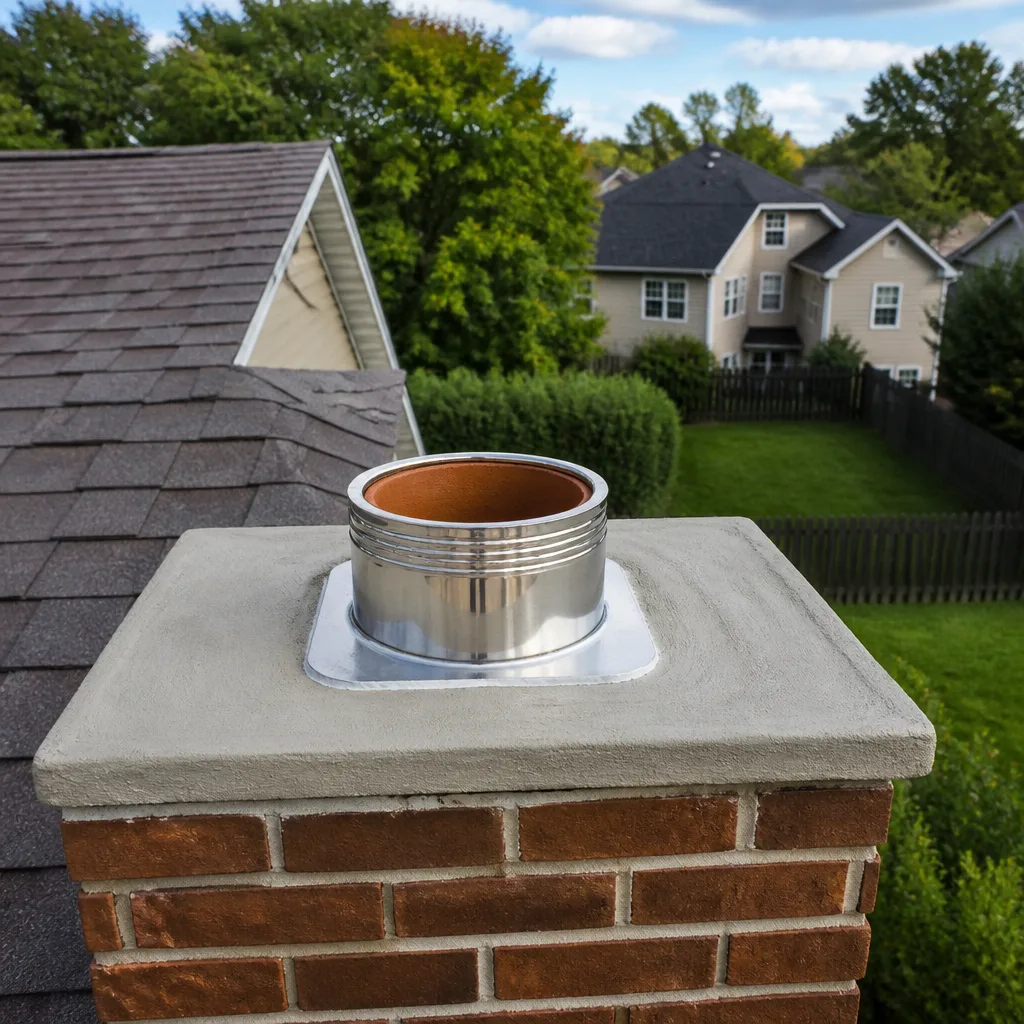 Flue relining
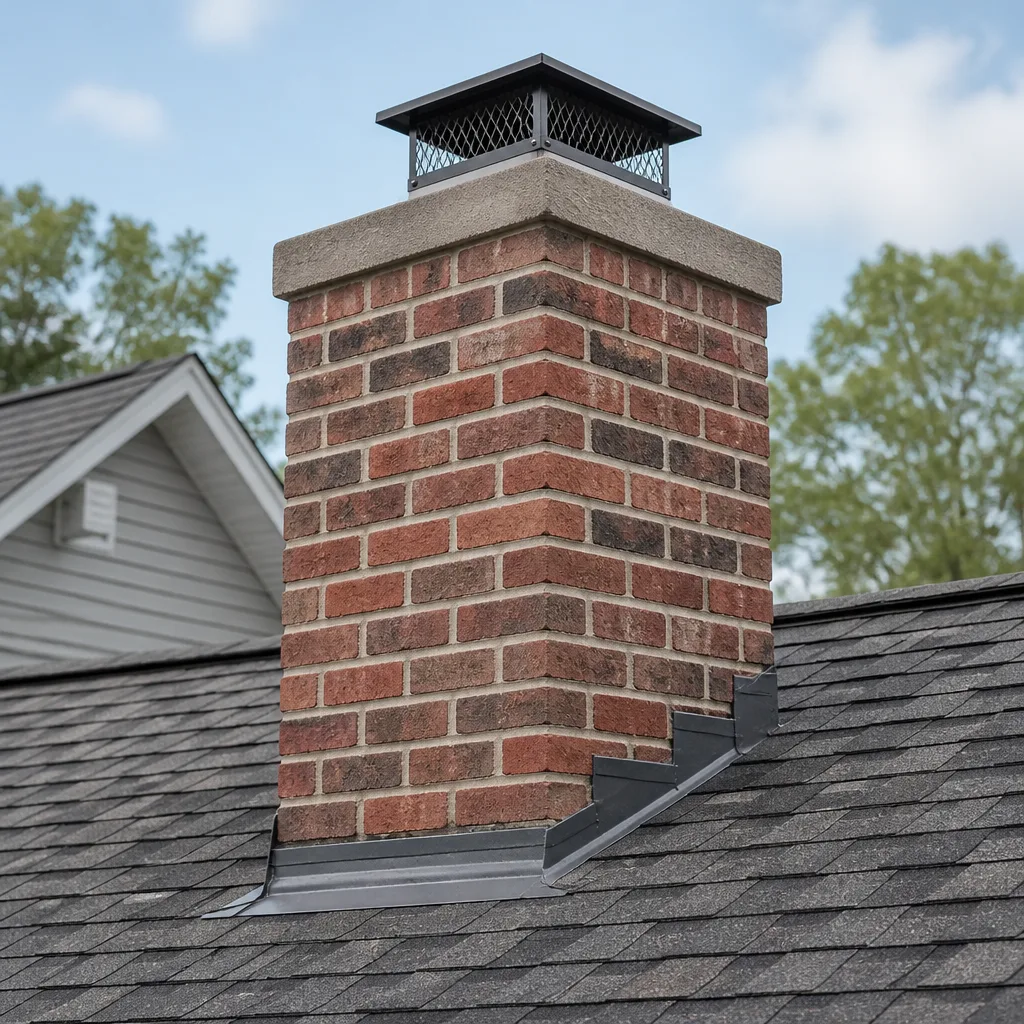 Masonry repair
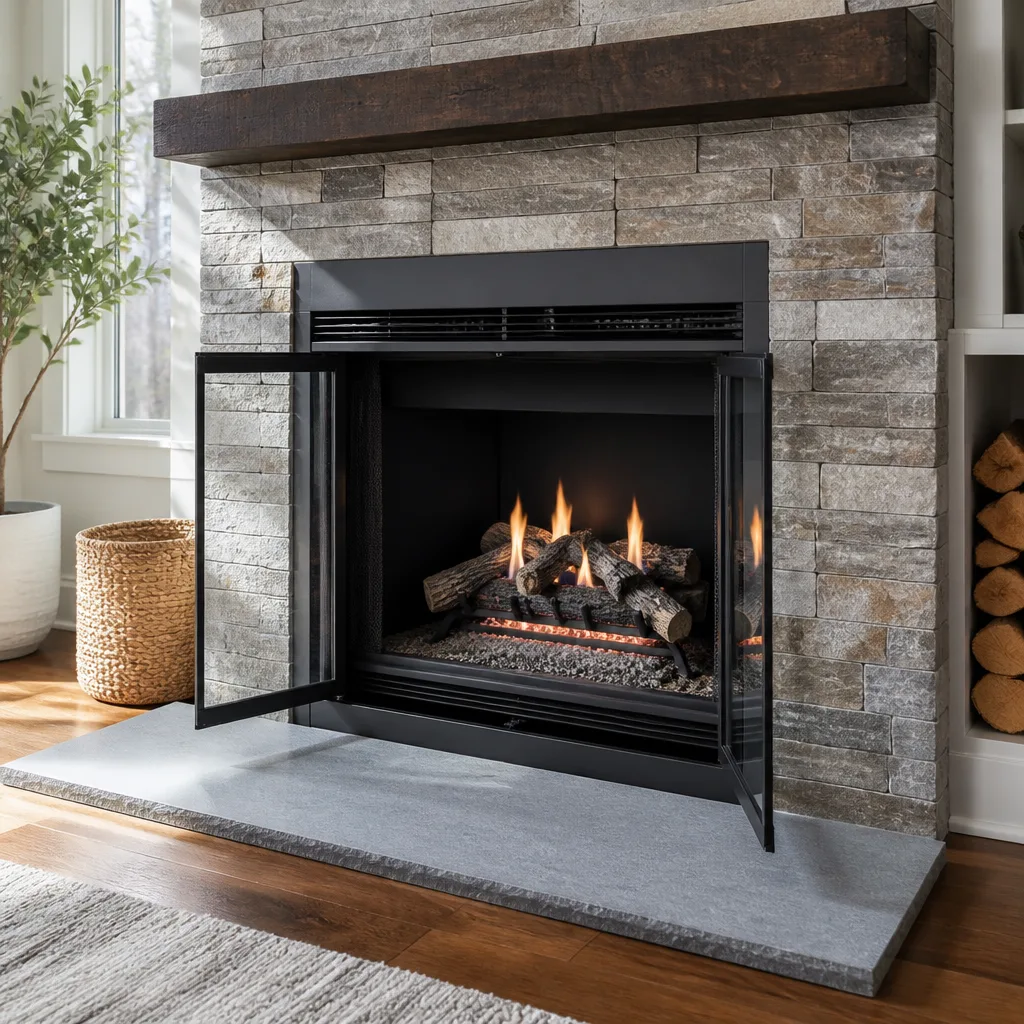 Gas fireplace service
Level 1 sweep and inspection to the NFPA 211 annual standard - flue, crown, cap, and flashing checked and photographed
Chimney sweep logs do not sweep chimneys. They loosen some creosote - which then falls where a brush and vacuum still have to collect it.
DIY vs Professional Chimney Cleaning: The Draper Homeowner’s Decision Guide
A DIY chimney brush kit removes loose soot. It does not remove hardened Stage 2 creosote, it cannot tell you whether your flue liner has cracked, and it gives many homeowners a false sense of safety that makes them less likely to schedule the professional inspection that would actually catch a hazard. That’s the uncomfortable truth at the center of the DIY-versus-pro question, and it’s the reason this guide doesn’t open with “always hire a professional.” Instead, we’re going to draw the real capability line: what a careful homeowner can legitimately do, what requires equipment and training most people don’t have, and how to recognize the moment when what you find in the flue disqualifies the DIY route. If you own a wood-burning or gas fireplace in Draper, this is written for you.
Quick Answer
DIY chimney sweeping can work as supplemental maintenance on a straight, accessible flue with a known recent professional inspection, but it cannot replace a professional chimney cleaning and inspection where liner condition, creosote stage, or draft performance are in question. For any masonry chimney older than roughly 15 years without a recent inspection, any chimney that has had a fire, or any flue that isn’t straight, professional service is the only responsible option. The DIY decision isn’t about whether you’re handy. It’s about whether the job actually calls for the tools, the training, and the ability to see what’s wrong.
Styles & brands we work with
- Sweep & inspection
- Caps & crowns
- Flue relining
- Masonry repair
- Gas fireplace service
Table of Contents
- What DIY Chimney Cleaning Can Legitimately Accomplish
- The Equipment Reality in Draper
- What DIY Cannot Assess
- Scenarios Where DIY Is Inadvisable Regardless of Skill
- Understanding Creosote: The Variable That Decides Everything
- How to Use DIY Between Professional Annual Inspections
- What a Professional Chimney Cleaning Actually Involves
- How Draper’s Climate and Housing Shape the Decision
What DIY Chimney Cleaning Can Legitimately Accomplish
Let’s start with genuine credit because it matters. A homeowner with the right tools, the right technique, and an honest understanding of what they’re looking at can remove light soot and first-stage creosote from an accessible, straight flue. That’s not nothing. Stage 1 creosote is soft, flaky, and brushes away with routine effort. On a chimney that has been professionally inspected within the last year, on a flue that runs basically straight up from the firebox, doing a light internal sweep between professional visits is a defensible piece of maintenance.
Here’s a specific picture of what a responsible DIY sweep looks like:
- A structurally sound chimney with a documented recent inspection. You know the liner is intact because a professional confirmed it, not because you looked and it “seemed fine.”
- A straight flue. No offsets, no bends, no 30-degree transitions hiding a shelf of creosote where a brush can’t reach cleanly.
- An accessible cleanout or damper. You can get rods into the flue without disassembling anything or getting on the roof.
- Light deposits only. You’re removing soft soot, not chipping at glassy, tar-like buildup that has baked onto the flue walls.
- Proper containment. The firebox is taped off, a drop cloth covers the hearth and floor, and dust doesn’t migrate into the room. Half of a good sweep is dust control.
What DIY cannot accomplish, even done carefully, is the thing that actually keeps a chimney safe: the assessment. Sweeping is easy. Knowing what you’re looking at when the brush comes back down is the part that requires training and experience. A brush can clean a flue that’s failing just as easily as a flue that’s healthy. The brush doesn’t tell the difference. That distinction is the entire reason a professional chimney sweep in Draper is about inspection as much as it is about cleaning.
The Equipment Reality in Draper
Most homeowners underestimate what a proper DIY setup actually requires. A brush on a stick from the hardware store isn’t it. Here’s what a legitimate self-sweep needs:
- Rods. Flexible, threaded fiberglass or poly rods, sold in kits, long enough to run your full flue length. Cheap plastic rods snap inside the flue, which is a problem you don’t want.
- Brushes sized to your flue. Brush diameter must match your flue interior. An oversized brush wedges. An undersized brush skims the walls without cleaning them. You often need more than one size.
- Drop cloths and containment. Canvas or heavy poly drop cloths, painter’s tape, and a plan for sealing the firebox opening.
- A HEPA vacuum rated for fine ash. Ordinary shop vacuums blow fine soot straight back into the room. A HEPA-rated unit is not optional if you care about your living space.
- PPE. A respirator rated for fine particulates, eye protection, and gloves. Soot and creosote dust are not things you want in your lungs.
In the Draper area, you can assemble this kit from hardware and home improvement stores along the I-15 corridor, or rent a rod and brush kit from a local tool rental. The cost of buying the full setup once (rods, multiple brush sizes, HEPA vacuum, PPE, drop cloths) usually exceeds what a single professional sweep costs, and the equipment sits in your garage the rest of the year. If you already own a HEPA vacuum and the PPE, the incremental cost drops, and the math changes. That’s the honest calculation. It’s not a moral question. It’s a gear question.
One more note: if you rent a brush kit, check that the brush actually matches your flue size before you start. Rentals get returned with the wrong brush all the time. An undersized brush on a clay-tile liner gives you a clean-looking flue with the creosote still bonded to the walls.
What DIY Cannot Assess
This is the section that matters most, and it’s where most DIY-versus-pro articles fail. They list “safety” as a vague category and move on. Here is the specific list of things a homeowner with a brush cannot reliably assess:
- Liner cracks and gaps. Clay tile liners crack from heat cycling and settle. Hairline cracks aren’t visible from the firebox looking up with a flashlight, and they’re exactly what allows heat and carbon monoxide to reach combustible framing. A camera inspection is how a professional finds them.
- Smoke chamber deterioration. The smoke chamber (the sloped section above the damper) is where creosote accumulates fastest and where masonry spalls invisibly. It’s rarely visible from below without the right lighting and angle.
- Flashing integrity at the roofline. Flashing failures cause slow water infiltration that rots the crown and masonry. You can’t see the flashing from inside the house, and most homeowners can’t safely get on the roof to check.
- Creosote stage classification. This one is critical. Telling Stage 1 from Stage 2 from Stage 3 requires knowing what each looks like and where it hides. Homeowners routinely mistake Stage 2 for “just a little buildup.”
- Draft performance. A chimney that draws poorly can push carbon monoxide back into the home. Draft issues trace to flue sizing, blockages, and pressure problems that only show up when the system is tested.
Every one of those items is a fire-safety or air-quality issue, not a cosmetic one. That’s the difference between cleaning and inspecting. A sweep without an assessment is a false sense of safety, and it’s the specific reason we recommend a standalone professional chimney repair and inspection visit even for homeowners who plan to sweep between visits themselves. Get the inspection first. Then decide what routine maintenance you want to do yourself.
Scenarios Where DIY Is Inadvisable Regardless of Skill
Some situations override skill entirely. If any of the following applies to your chimney, the DIY route is off the table, regardless of how handy you are or how much you’ve read:
- A masonry chimney older than roughly 15 years without a recent professional inspection. Old liners crack, mortar joints fail, and crowns erode. The likelihood of an undetected issue is high enough that cleaning without inspecting first is a bad bet.
- Any chimney that has experienced a chimney fire. Even a small fire can crack a liner or damage the smoke chamber in ways you cannot see. A post-fire professional inspection is mandatory, not optional.
- Offset or non-straight flue paths. Bends and offsets create creosote shelves a straight brush can’t reach. Cleaning part of a flue and leaving the worst of the buildup behind is worse than not cleaning at all, because it looks done.
- Any chimney with no prior inspection history. If you don’t know the liner is sound, you’re cleaning a flue you can’t vouch for. Get it inspected first.
- A gas fireplace or insert. Gas appliance servicing involves the venting and combustion path. It is not a DIY cleaning subject.
Notice what these have in common: none of them are about whether you can handle a brush. They’re about whether the system is in a condition where cleaning alone is safe. When the answer is unknown, professional service is the only responsible path. Our technicians have up to 11 years of experience precisely because the diagnostic side of this work takes years to learn, not an afternoon of videos.
Understanding Creosote: The Variable That Decides Everything
Creosote is the single most important thing to understand in the DIY-versus-pro question, because it’s the variable that most often disqualifies a self-sweep. It builds in three identifiable stages:
- Stage 1: Soft, flaky, and soot-like. Brushes off easily. This is the only stage DIY handling is reasonable on, and only on an accessible, straight flue.
- Stage 2: Harder, crusted deposits that have baked onto the flue walls. A standard brush often skims over the top rather than removing it. Removal requires the right brush type and, sometimes, chemical treatment followed by re-sweeping.
- Stage 3: Glazed, tar-like, and fuel-rich. It looks like a coating of hard black lacquer. A brush doesn’t remove Stage 3. It’s a fire-hazard condition that requires professional rotary tools and often calls for liner assessment or replacement.
Here’s the trap: Stage 2 and Stage 3 don’t announce themselves from the firebox opening. You’ve got to get a light up into the flue and know how to read what you’re seeing. Most homeowners who think their flue is “just lightly coated” are looking at Stage 2. That’s not a knock on their competence; it’s the reality of a job that requires a specific eye.
Draper’s climate makes this worse in one specific way. Cold, dry winters mean more burning hours and deeper temperature swings between a hot fire and a cold flue, which drives creosote formation faster than in milder climates. When a professional chimney sweep in Draper classifies your creosote stage, that classification drives everything that follows: whether a standard sweep is enough, whether treatments are needed, and whether the liner is at risk.
How to Use DIY Between Professional Annual Inspections
Here’s where we think DIY fits legitimately, and we don’t mind saying so. Between annual professional inspections, a homeowner who has learned the equipment can do a light supplemental sweep during the burning season to keep soot from accumulating too fast. The key word is supplemental. It’s a maintenance step, not a replacement for the inspection.
A responsible between-inspections routine looks like this:
- Schedule the annual professional inspection and cleaning first. That visit establishes the baseline: liner condition, creosote stage, flashing, crown, and draft.
- Sweep light deposits mid-season only, and only on the straight, accessible flue the inspection confirmed as sound.
- Document what you remove. Take a photo of what the brush brings down. If you’re seeing anything harder than soft flaky soot, stop and book a professional visit.
- Re-inspect annually. The DIY sweep does not reset the clock on the inspection. The inspection is the safety event; the sweep is housekeeping.
That’s the honest use of DIY. It keeps the flue cleaner between visits. It doesn’t tell you whether the liner is still sound, and it doesn’t catch the deterioration that happens slowly and invisibly between inspection years. A professional fireplace repair assessment belongs on the calendar every year regardless of how diligent your DIY routine is.
What a Professional Chimney Cleaning Actually Involves
Homeowners often assume a professional sweep is the same job as a DIY sweep, just done by someone else. It isn’t, and understanding the difference helps you see what you’re paying for and what the DIY route leaves out. A proper professional cleaning includes:
- A full inspection of the firebox, damper, smoke chamber, flue, cap, crown, and flashing. This is the safety component, and it’s the part DIY cannot replicate.
- Creosote stage classification. Determining what stage the buildup is in and what removal method it requires.
- Contained, HEPA-filtered cleaning of the full flue length, including removable of Stage 2 deposits where present.
- Camera inspection and a written report you can keep, so you have a documented condition baseline year over year.
- Recommendations grounded in what the inspection found, not a list of services to sell.
At Chimney Sweep Draper, every visit is inspection-first, recommendations-second. Nothing gets recommended without evidence you can see for yourself, and we’ll tell you plainly when a repair can wait. That’s the standard, and it’s how full-system service should work. Where repairs are needed, we work with professional-grade brands like HeatShield for flue resurfacing and DuraFlex for flexible liner systems that fit complex or offset flues, which is the kind of system-specific work a generalist can’t do. We also install chimney caps and crowns, the two components most responsible for keeping water out and the chimney structurally sound long-term.
If you’re not sure whether your chimney falls on the DIY-appropriate side or the professional-only side, a standalone inspection settles it. You don’t have to commit to anything else to get an honest assessment.
How Draper’s Climate and Housing Shape the Decision
Generic advice about chimney cleaning doesn’t fit every place, and Draper has some specific characteristics worth knowing. Homes here sit against the Wasatch foothills, and winter burning seasons run cold and long. That means more cord wood burned per season than in a milder climate, which accelerates creosote accumulation and makes mid-season check-ins on creosote stage more important, not less.
The housing stock matters too. Draper has a mix of older masonry chimneys from decades past and newer construction with factory-built and insert systems. Older masonry chimneys hitting the 15-year-and-beyond mark without recent inspection are exactly the scenario where DIY becomes a bad bet. Newer construction still needs inspection, but the concerns shift toward factory-built liner condition and installation details rather than cracked clay tile.
Draper’s temperature swings between a hot fire and a cold morning flue also drive the chimney’s heat cycling, which is what cracks liners over time. That cycling doesn’t announce itself. It shows up in a camera inspection as a hairline crack you couldn’t have seen from below. For homes in the SunCrest area or the foothill neighborhoods up against the bench, where wind exposure and driving precipitation test flashing and crowns, the case for professional evaluation grows stronger still.
So the Draper context reinforces a simple rule: get the professional inspection annually, and treat DIY as supplemental only if the inspection gives you the all-clear on the flue condition. If it doesn’t, defer to professional service. The system-specific repairs here, whether a resurfaced flue or a flexible liner replacement, are the sort of work best done once and done right. If you want a sense of what a visit looks like, the chimney sweep in Draper service page covers the process step by step.
Common Mistakes to Avoid
We’ve seen the same handful of DIY mistakes come up repeatedly. Each of these is per specific, so read them against your own situation:
- Sweeping without inspecting first. If you don’t know the liner is sound, cleaning the flue gives you a false sense of security. Get the inspection baseline before you touch a brush.
- Using the wrong brush size. An undersized brush skims; an oversized brush wedges. Match the brush diameter to the flue interior, and rent or buy the right size in Draper rather than making a hardware store brush do a job it wasn’t built for.
- Skipping the HEPA vacuum. A shop vac blows fine soot back into the room. If you don’t have a HEPA-rated unit, the dust you’re trying to contain ends up on your drapes and in your HVAC.
- Guessing at creosote stage. Homeowners consistently mistake Stage 2 for light buildup. If you’re not sure what stage you’re looking at, stop and book an inspection.
- Treating a DIY sweep as an inspection substitute. The brush removes soot; it does not assess the liner, smoke chamber, flashing, or draft. Those are the safety parts, and they only come from a professional inspection.
- Ignoring the crown and cap. Water infiltration from a failed crown or missing cap is one of the most common long-term damage causes on Draper chimneys. A DIY sweep won’t catch it, and sometimes the fix is as simple as a new cap.
- Skipping the post-fire inspection. Any chimney that’s had a fire needs a professional inspection before the next burn season, no exceptions. A DIY sweep after a fire is not adequate.
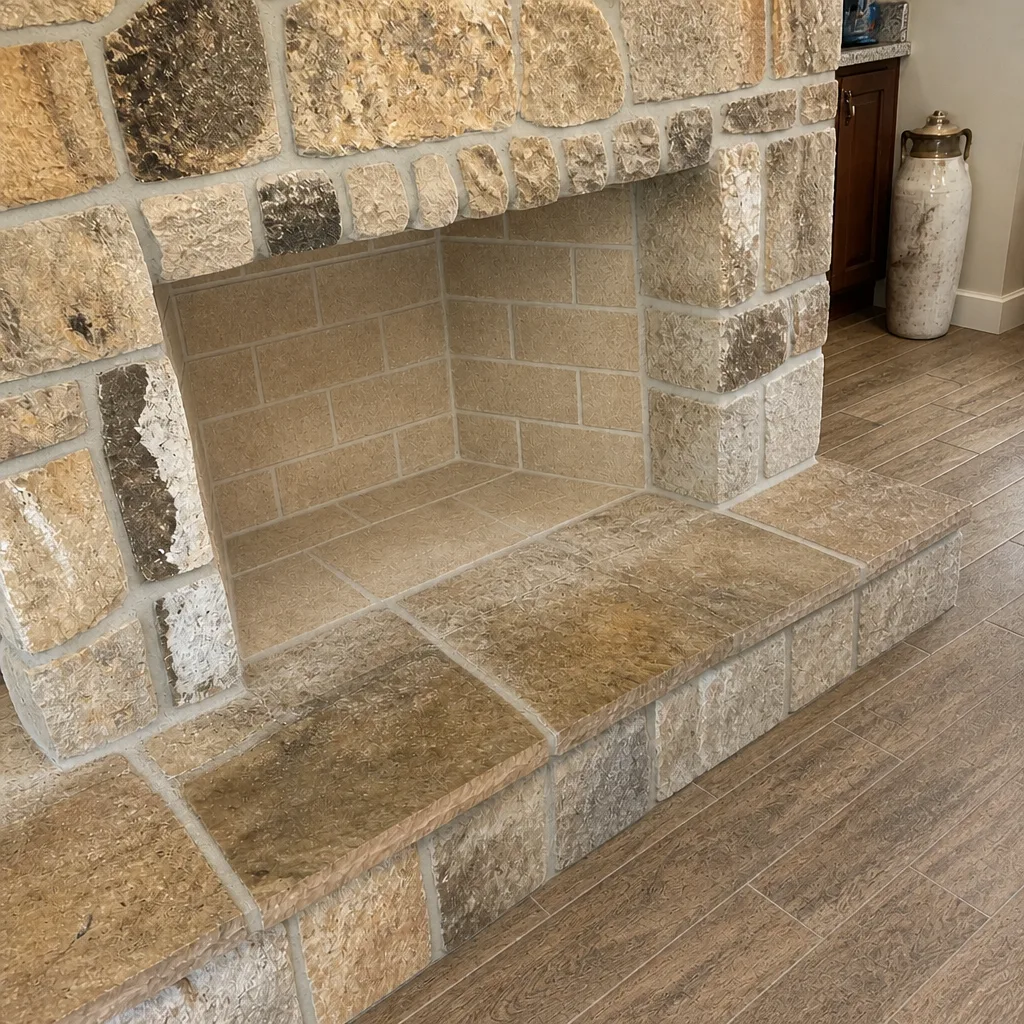
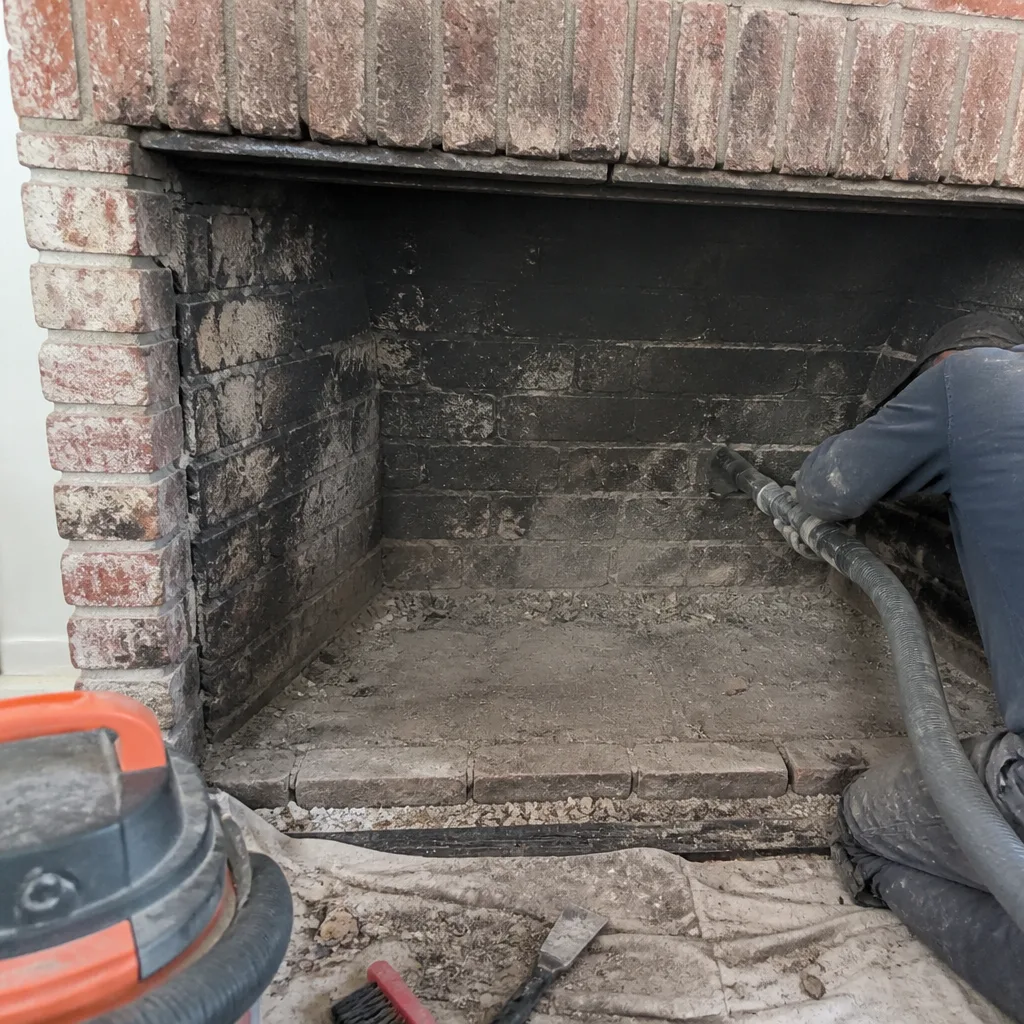
See the difference
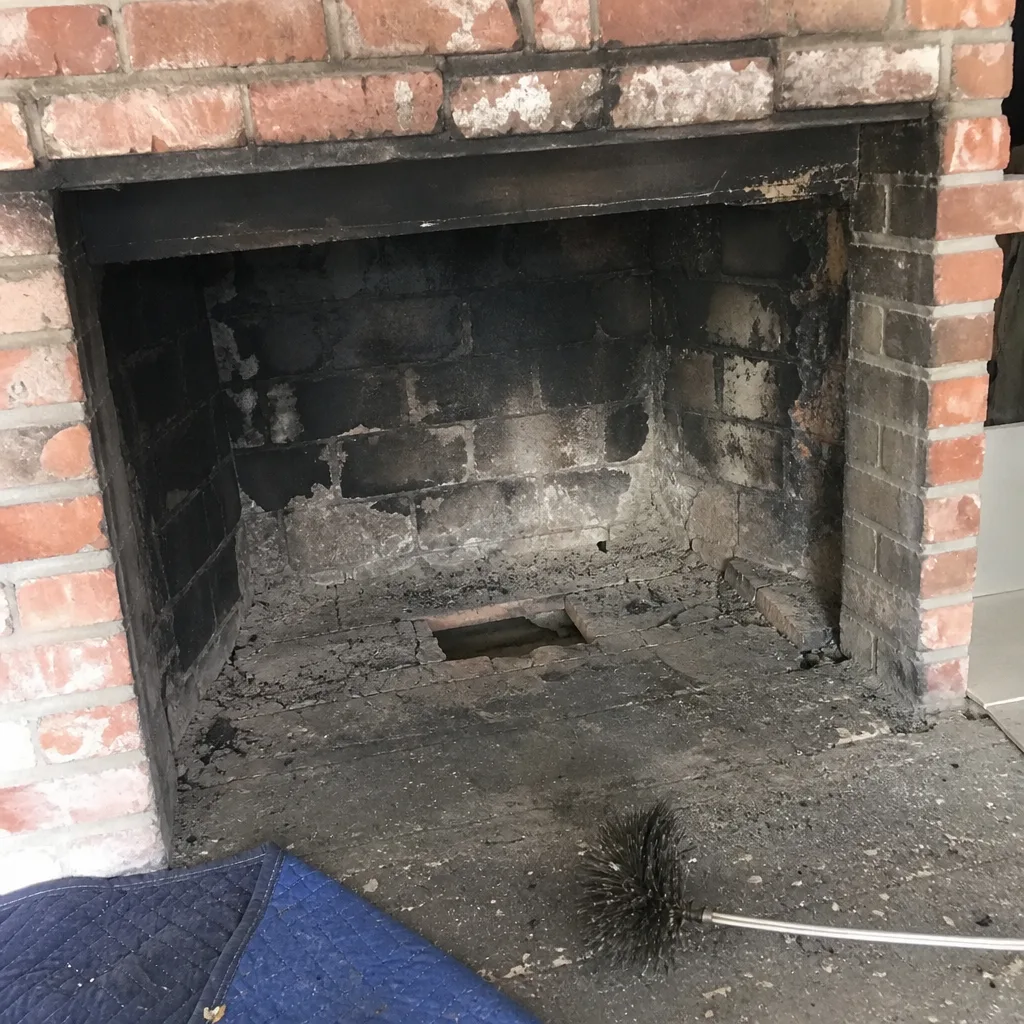 Before
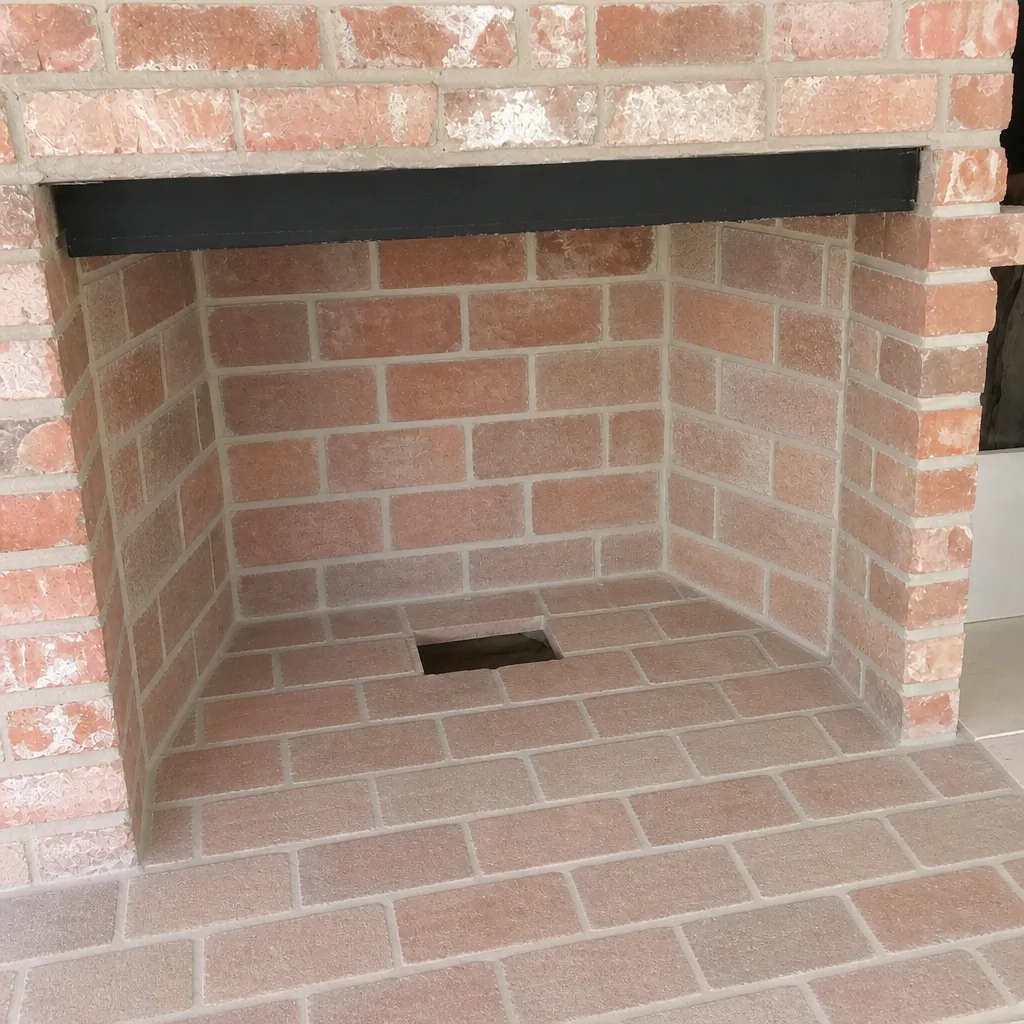 After
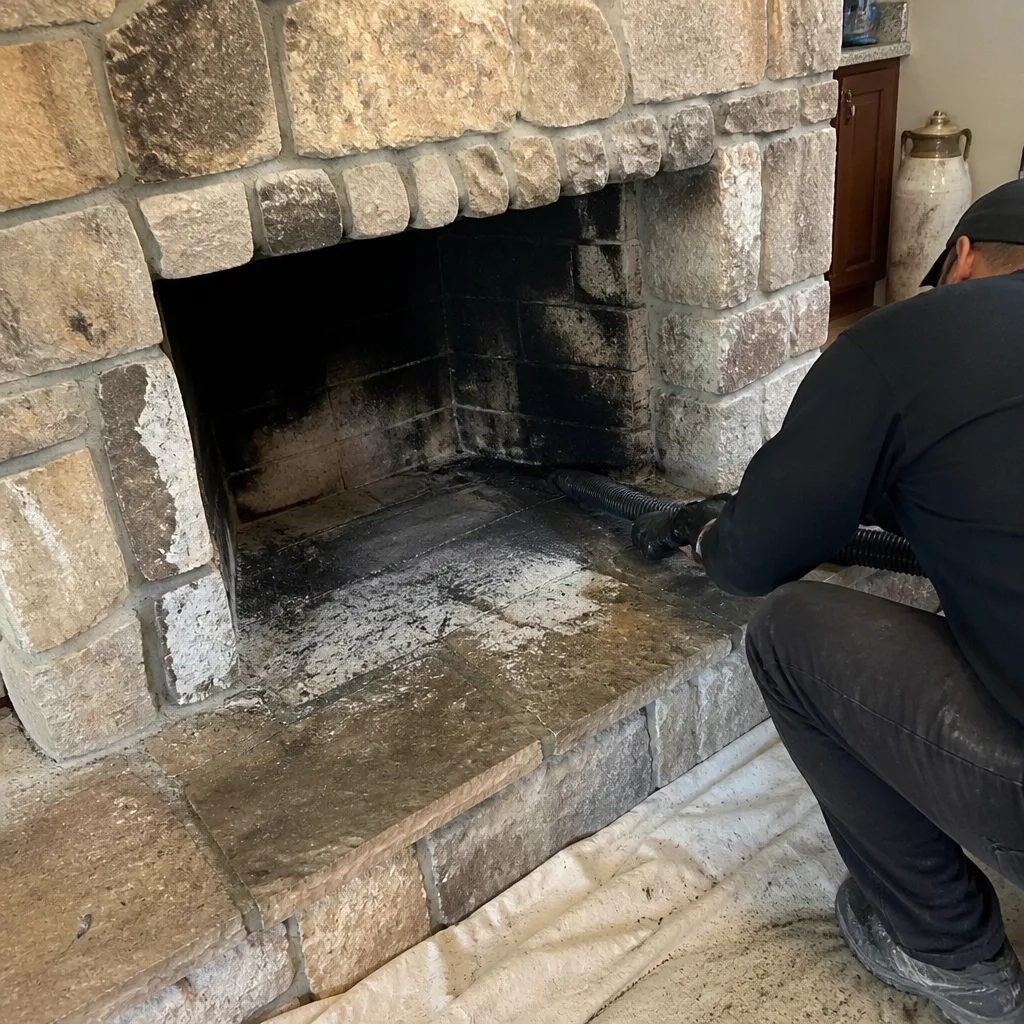 Before
 After
 Before
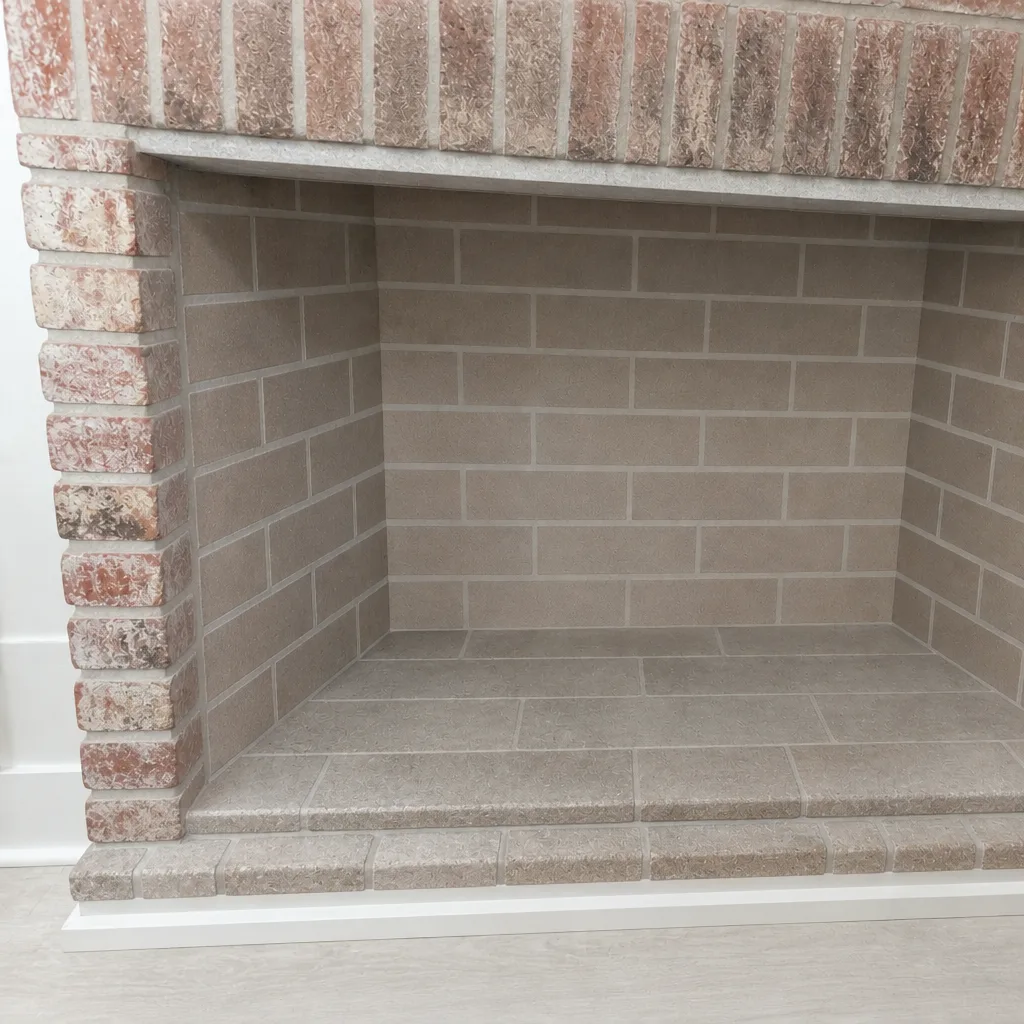 After
When to Call a Professional
Call a professional in specific, clear-cut situations: your masonry chimney is older than roughly 15 years without a recent inspection, the chimney has experienced a fire of any size, the flue isn’t straight, you’re seeing any creosote harder than soft flaky soot, you smell smoke or draft issues when you burn, or you’ve just bought or inherited a home with an unknown chimney history. In those cases, the DIY route isn’t a skills question. It’s a safety question. For everyone else, an annual professional inspection followed by a careful DIY routine between visits can work, provided the inspection came back clear. Chimney Sweep Draper offers free estimates in Draper; call (866) 947-8303 to get an honest assessment of where your chimney actually stands. We answer 24/7. Fast dispatch from 7am to 7pm, Sunday through Friday.
Frequently Asked Questions
You can clean your own chimney in Draper only if the flue is straight and accessible, the chimney has a recent professional inspection confirming the liner is sound, and you’re only dealing with light Stage 1 soot. If any of those aren’t true, DIY is inadvisable. Get an inspection first to find out which side you’re on. Call (866) 947-8303 for an exact quote on an inspection; estimates are free.
A professional chimney cleaning in Draper is priced per job based on the flue configuration, creosote stage, and whether repairs are found, with the written estimate setting the final price. The estimate is free, and you’ll know the scope and cost before any work begins. Call (866) 947-8303 for an exact quote; estimates are free.
Yes. A self-sweep cannot assess liner cracks, smoke chamber deterioration, flashing integrity, creosote stage, or draft performance, and those are the safety-critical factors. The inspection is the safety event; the sweep is housekeeping. Skipping the inspection because you swept the flue yourself gets the failure case exactly backwards. Call (866) 947-8303 to book an inspection; estimates are free.
Skipping the inspection means creosote stage, liner condition, and flashing integrity go unverified, and those are the issues that lead to chimney fires, carbon monoxide intrusion, and water damage. A DIY sweep can leave you confident in a system that’s actually failing. The inspection is how you catch that before it becomes a hazard. Call (866) 947-8303 for an honest assessment; estimates are free.
A chimney should be inspected annually, and more often if the creosote stage is elevated, the system has had a fire, or you’ve recently purchased or inherited the home with unknown history. Draper’s cold, dry winters mean more burning hours per season, which is one more reason to keep the inspection on an annual schedule. For a chimney in Draper, an annual professional chimney sweep and inspection is the baseline. Call (866) 947-8303 to schedule; estimates are free.
No. A chimney fire, even a small one, can crack a liner or damage the smoke chamber in ways that are invisible from the firebox, and burning again before a professional inspection is not safe. Book a post-fire inspection before the next fire. Call (866) 947-8303; estimates are free.
The Bottom Line
DIY chimney cleaning isn’t the blanket no that some guides make it out to be, and it isn’t a shortcut that replaces professional service either. The honest position is this: light soot removal from a straight, accessible flue with a recent professional inspection confirming the liner is sound is a legitimate supplement. Everything else, from creosote stage classification to liner condition to flashing and draft, requires the equipment and trained eye a professional brings. The decision turns on one question: has your chimney had a professional inspection recently? If yes, you can responsibly maintain it between visits. If no, get the baseline inspection first. Chimney Sweep Draper provides full-system service from sweeping and inspection through fireplace repair, chimney repair, and cap and crown installation, using professional-grade brands like HeatShield and DuraFlex for liner work. Everything starts with the inspection, and the estimate is free. Call (866) 947-8303. We answer 24/7. Fast dispatch from 7am to 7pm, Sunday through Friday.
Written by the team at Chimney Sweep Draper.