
Last updated November 24, 2026
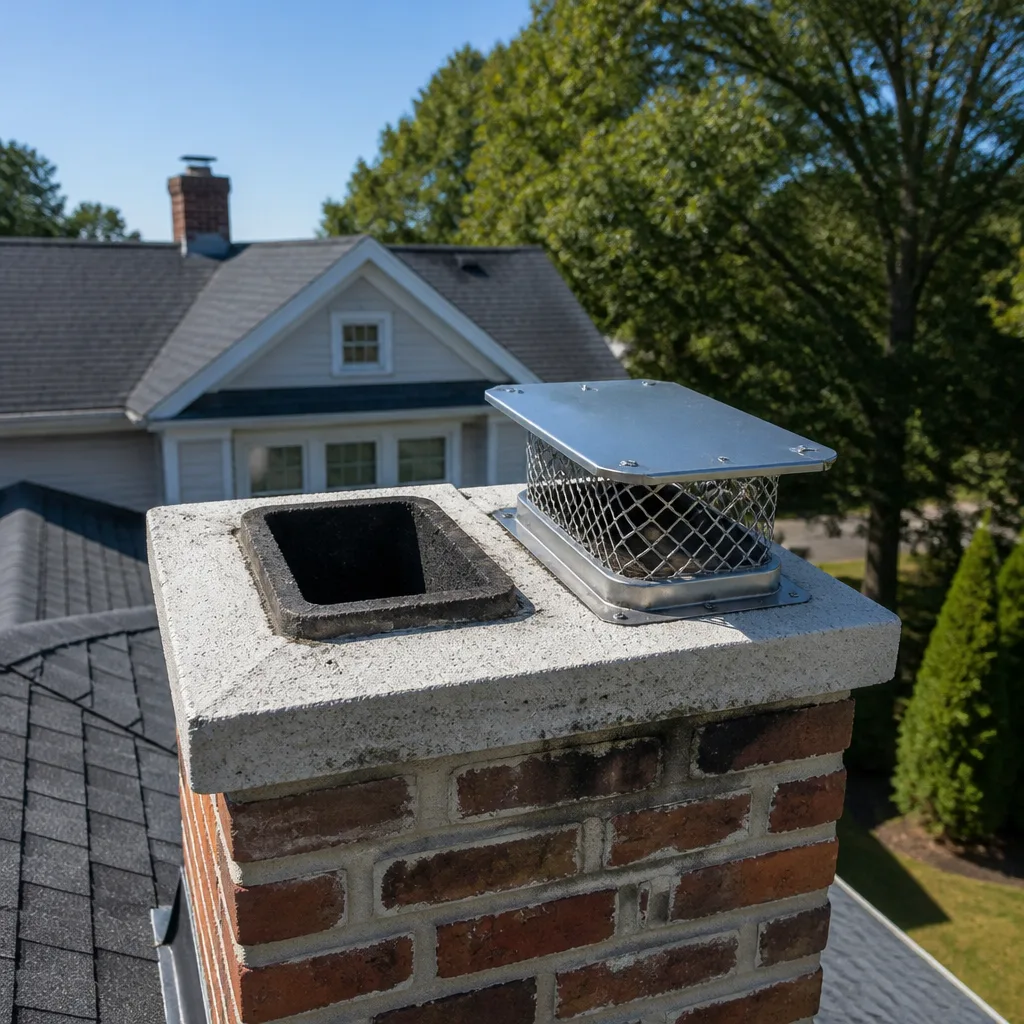 Sweep & inspection
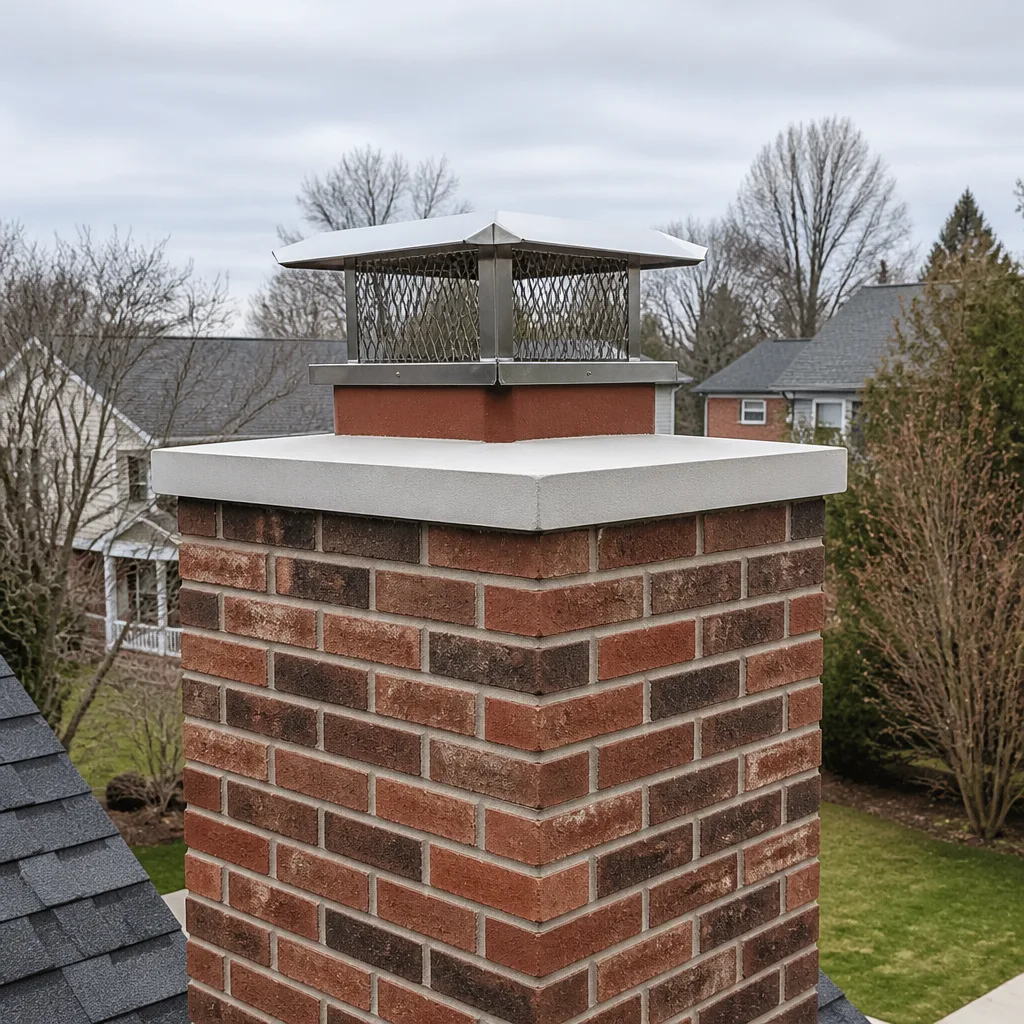 Caps & crowns
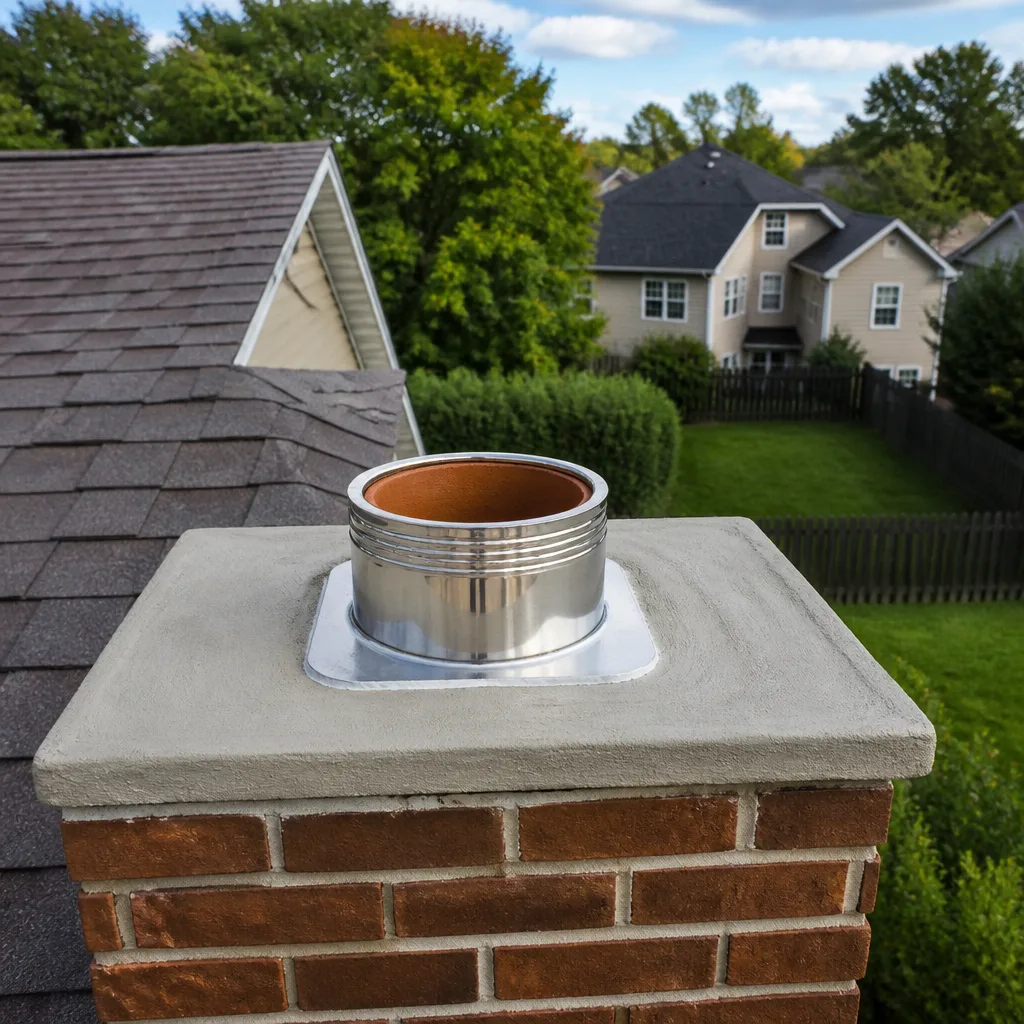 Flue relining
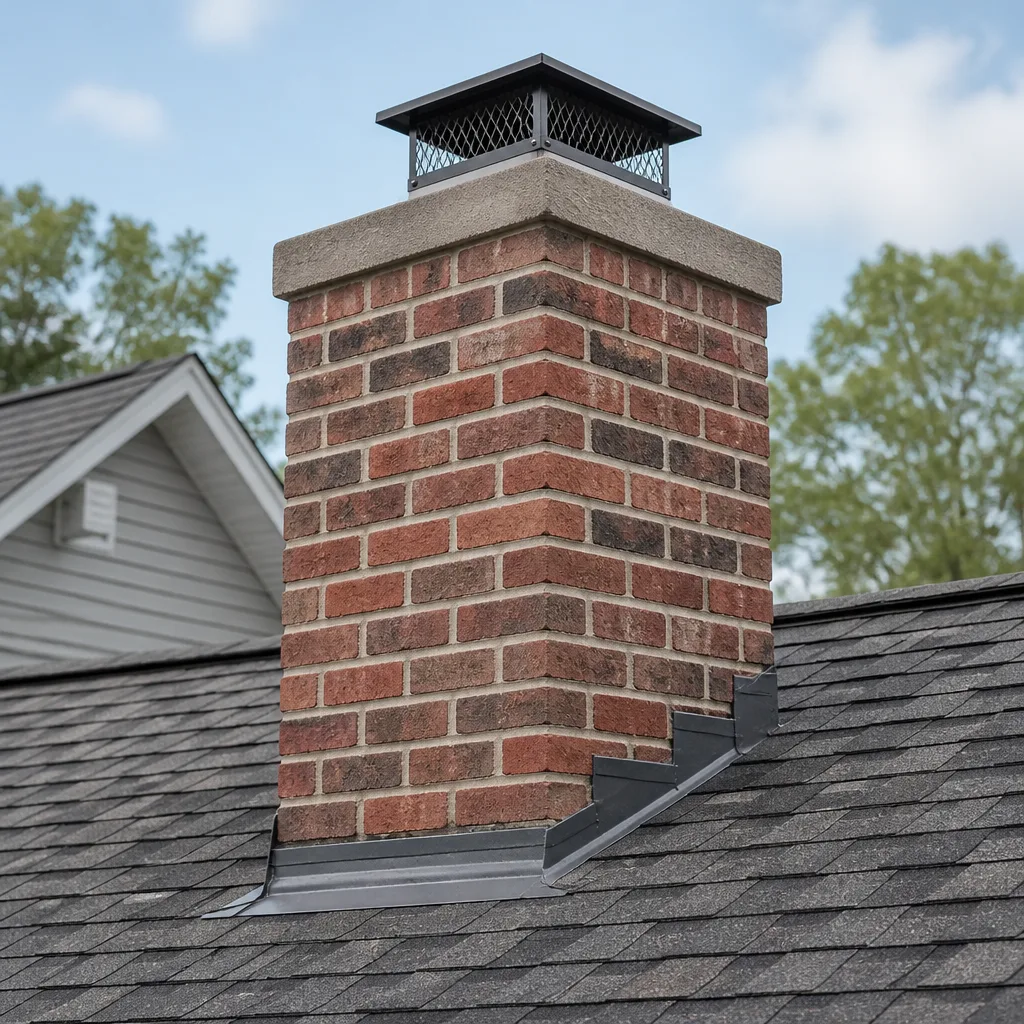 Masonry repair
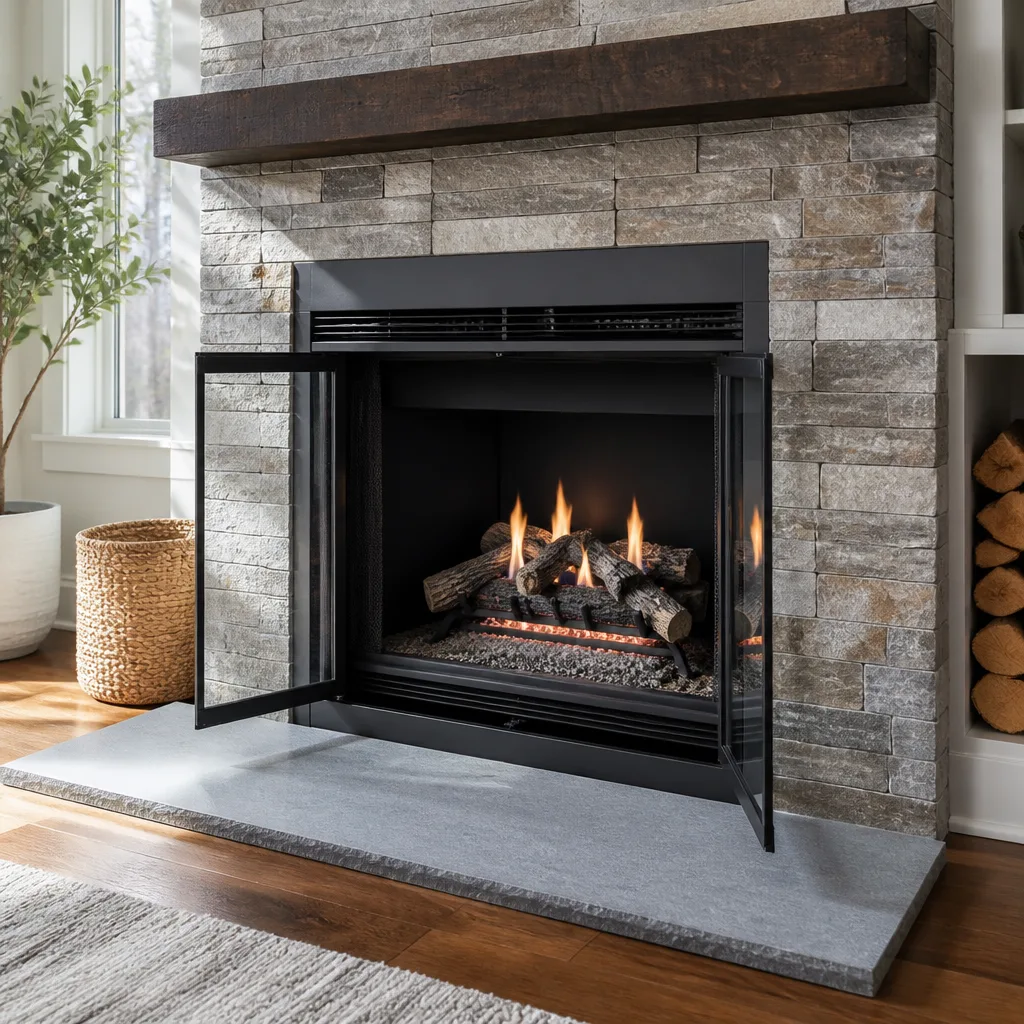 Gas fireplace service
Level 1 sweep and inspection to the NFPA 211 annual standard - flue, crown, cap, and flashing checked and photographed
Chimney sweep logs do not sweep chimneys. They loosen some creosote - which then falls where a brush and vacuum still have to collect it.
Chimney Cleaning Warning Signs: A Draper Homeowner’s Reference Guide
Most homeowners assume a chimney problem announces itself with a roaring sound or a room full of smoke. It usually doesn’t. The dangerous failures we encounter in Draper almost always start quietly: a faint smoke smell in a cold firebox, a chalky white patch on exterior brick, a damper that closes “mostly” and calls it good. The real problem is sorting which signs are cosmetic and which mean a combustion hazard is already active. This guide ranks chimney warning signs into three urgency tiers so you know what to stop using now, what to schedule within two weeks, and what can wait for annual service.
Quick Answer
Chimney warning signs fall into three tiers. Tier 1 signals, including smoke entering your living space without a fire burning, visible flame rollout, or a carbon monoxide alarm activating near the fireplace, mean stop using the chimney and request a camera inspection before the next fire. Tier 2 signals, such as white staining on exterior brick, deteriorated mortar at the crown, or a damper that won’t seal, warrant service within two weeks. Tier 3 signals, including light soot on glass doors or a slightly sticky damper handle, can be addressed at your next annual sweep.
Styles & brands we work with
- Sweep & inspection
- Caps & crowns
- Flue relining
- Masonry repair
- Gas fireplace service
Table of Contents
- Why a Smoke Smell Without a Fire Is a Tier 1 Warning
- Tier 1 Warning Signs: Stop Using the Chimney Today
- Tier 2 Warning Signs: Schedule Service Within Two Weeks
- Tier 3 Warning Signs: Address These at Annual Service
- How to Read Creosote Smell Intensity by Stage
- Why Gas Inserts Still Produce Warning Signs
- What Draper’s Climate Does to Chimney Wear
- When a Warning Sign Needs a Professional Camera Inspection
Why a Smoke Smell Without a Fire Is a Tier 1 Warning
A strong smoke smell in your living room when the fireplace is cold isn’t a draft problem. It’s a sign that the smoke chamber or flue liner has a breach that’s pulling combustion gases back into the house, and it warrants a camera inspection before the next fire.
The mechanics matter here. In a healthy chimney, a negative pressure zone above the firebox draws smoke up and out. When the liner cracks, spalls, or separates at a joint, that pressure balance reverses. Warm interior air rises through the gap, and cold air from the flue drops back into the firebox. The result is a persistent smoky smell on mild days, even with the damper closed. Many homeowners dismiss this as “chimney breath” or a seasonal quirk. It isn’t.
What makes this a Tier 1 sign rather than a nuisance is the implication for an active fire. If a breach is large enough to leak smoke when there’s no pressure from a burning fire, it’s large enough to leak combustion gases at temperatures that can exceed 1,000 degrees Fahrenheit at the flue. Those gases include carbon monoxide, nitrogen oxides, and volatile organics from creosote. The same gap that leaks smoke in cold weather leaks those compounds into your living space during a burn.
If you notice this in your Draper home, don’t test it with a small fire to see how bad it gets. Schedule a camera inspection through a Chimney Sweep Draper. A camera inspection lets you see the exact location and size of the breach on a monitor, so you decide on repair with evidence in front of you rather than a description of what a technician thinks is happening inside a wall.
One more distinction: smoke smell from a freshly extinguished fire that fades in minutes is normal. Smoke smell from a cold chimney that persists for hours or days is not. If it survives a week of no fires, it’s a sign to call.
Tier 1 Warning Signs: Stop Using the Chimney Today
Tier 1 signs indicate an active hazard. Stop using the fireplace or wood stove, and call for inspection before the next fire. These are the signs where waiting even a few days risks a house fire or carbon monoxide exposure.
The full Tier 1 list:
- Smoke entering the living space without a fire burning. As discussed, this points to a breach in the smoke chamber or liner. Don’t burn until a camera inspection confirms the flue is intact.
- Visible flame rollout. Flames spilling out of the firebox mouth rather than being drawn up the flue indicate a blockage, a collapsed liner, or severe pressure reversal. Put the fire out, keep the damper open, and don’t relight until a technician inspects.
- Carbon monoxide alarm activation near the fireplace. A CO alarm anywhere in the house that activates while a fire is burning, or shortly after, is a Tier 1 event. Evacuate, ventilate, and get the chimney inspected before any further use.
- Black staining at the top of the firebox or on the fireplace face. New soot deposits that look wet or tacky on the brick face indicate smoke is escaping the firebox opening rather than being drawn up. This can mean a flue obstruction or a liner failure.
- Visible cracks in the firebox with chunks missing. Deep cracks that go through the firebox walls, or missing sections of refractory brick, allow heat and gases direct access to framing. Stop burning until inspected.
We’ve seen the pattern in Draper and across the south valley: a homeowner notices one of these signs in November, decides to “watch it,” and by January has a stack of glazed creosote and a cracked flue tile that could have been addressed in a single service call. The cost difference between treating a Tier 1 sign in week one and treating it after a chimney fire burns through is substantial.
If your chimney shows any Tier 1 sign, call (866) 947-8303. We answer 24/7. Fast dispatch from 7am to 7pm, Sunday through Friday.
Tier 2 Warning Signs: Schedule Service Within Two Weeks
Tier 2 signs don’t require you to stop using the chimney immediately, but they should be addressed within two weeks to avoid turning into Tier 1 problems. These are the signs that show water has been getting where it shouldn’t, or that components are failing slowly.
White staining on exterior brick. That chalky white film is efflorescence, mineral salts pushed to the surface by moisture migrating through the brick. It isn’t cosmetic damage on its own, but it’s telling you water is entering the chimney structure somewhere, likely at the crown, the flashing at the roofline, or the cap. Left alone, that moisture freezes and expands in Draper’s winter freeze-thaw cycles and spalls the brick face off in sheets.
Visible mortar joint deterioration at the crown. The crown is the sloped masonry cap at the top of the chimney. Its job is to shed water away from the flue. When joints fail or the crown cracks, water runs straight down into the chimney structure. This is one of the two components (along with the cap) most responsible for long-term chimney damage, and it’s a straightforward fix when caught early.
A damper that won’t seal fully. Test it: close the damper and look for daylight from above. If you see any, the damper is letting air escape, which means you’re losing heat up the chimney year-round. In summer, that same gap lets humid air and insects into the flue. A damper that’s stuck open, or one that flakes or crumbles when you touch the handle, should be repaired or replaced within the two-week window.
Rust or corrosion on the firebox metal components. Rusted damper plates, corroded smoke shelf hardware, or rust streaks on the firebox floor suggest ongoing moisture infiltration. This connects back to the crown and cap issue above. Water is finding a way in.
Visible creosote flakes on the roof or in the firebox. Stage 2 creosote (crumbling, flaky) builds quickly in a cooler-burning or under-drafted fire. It should be swept and inspected before it hardens into Stage 3 glazed creosote, which requires specialized chemical treatment to remove safely.
Draper’s housing stock includes a lot of construction from the 1980s through the 2000s, where the original chimney crown and cap were sometimes a standard builder’s model that’s now 25 to 40 years old. Crown deterioration shows up on a schedule tied to the age of the house, not to how often you burn. A two-week window is the right fit for Tier 2 signs, and it’s the point where a single service call can catch all of them before they compound.
Tier 3 Warning Signs: Address These at Annual Service
Tier 3 signs aren’t urgent. They’re the maintenance items you note and hand to your chimney sweep at the next annual appointment. Catching them here is what keeps Tier 3 from becoming Tier 2.
- Minor soot accumulation on glass doors. Light soot haze on the glass after a season of burning is normal. Heavy black buildup after only a few fires is a sign of incomplete combustion and worth flagging.
- Small spalling on firebox interior bricks. Surface flaking on the refractory liner inside the firebox is normal wear. Chunks missing or deep cracks are Tier 1. The line between them is best judged by a technician with the firebox lit.
- Slightly sticky damper handle. A damper that takes a little extra effort to move, but still closes fully, is fine to note. It should be greased or cleaned at the next sweep. A damper that sticks halfway or won’t fully close is Tier 2.
- Chimney exterior shows minor cracking in the masonry above the roofline. Hairline cracks in exterior mortar at the top few courses are worth monitoring. They become Tier 2 if they widen or if you see efflorescence nearby.
- Occasional smoke smell on very cold mornings. A brief puff of smoke on startup when the flue is cold is a draft issue, not a breach. If it happens on every start regardless of temperature, it moves to Tier 1.
The right time to note Tier 3 signs is during your annual inspection. That’s why we treat inspection as a standalone service (see chimney sweep page for how a sweep and inspection fit together): a homeowner should be able to get an honest assessment of their chimney system without it being bundled into a cleaning upsell. If the assessment is clean, the report says so. If Tier 3 signs are present, you’ll get a list with photos and a recommendation about which can wait and which shouldn’t.
How to Read Creosote Smell Intensity by Stage
Creosote smell intensity is a diagnostic tool, not just a nuisance. Stage 1 creosote is normal and sweepable. Stage 2 and Stage 3 require specialized treatment before any sweeping, and the smell is often the earliest sign of which stage you have.
Creosote forms in three stages, and each produces a distinct odor and texture:
Stage 1: Sooty, faint smoke smell. This is powdery, flake-off-with-a-brush creosote, typically 1/8 inch or less on flue walls. The smell is a faint campfire note you notice at the firebox, and it fades after the fire burns out. Standard sweeping removes it completely. If your chimney smells like a campfire after a fire but nothing worse, this is the stage you’re likely in.
Stage 2: Sharp, acrid smell that lingers. Stage 2 is flaky and crumbly, and the smell is sharper: acrid, slightly tarry, and it hangs in the room long after the fire is out. The deposits are thicker and the flue needs more than a brush. Chlorine-based chemical treatments, or mechanical removal with rotary tools, may be needed. This sign moves your chimney into the Tier 2 category.
Stage 3: Fuel-oil-like smell, noticeable from another room. Stage 3 is glazed, hardened creosote with a smell that resembles a petroleum distillate or fuel-oil. You smell it entering a room that has a fireplace in it, or even from the hallway. This is not sweepable in the usual sense; it requires a chemical treatment that softens the glaze before removal. Stage 3 deposits can ignite at lower temperatures than wood, which is why a glazed flue combined with a spark from a hot fire is the classic chimney fire recipe.
Here’s the part most homeowners miss: the smell test is a useful first screen, but the volume of the smell doesn’t necessarily match the stage. Small amounts of Stage 3 creosote smell more strongly than a large amount of Stage 1 soot. That’s why we don’t stop at smell. A camera inspection through the flue is the only way to know what stage you’re dealing with and how much of the flue is affected. The camera goes in, you watch the screen, and the inspection report uses photos you can see for yourself rather than a verbal description.
In Draper, dry winters and fast temperature swings pull more cold air down the flue on startup, which can cool the smoke before it reaches the top and deposit Stage 2 creosote faster than in a steady-cold climate. It’s one reason we recommend an annual inspection even for homeowners who burn only a cord or two a season.
Why Gas Inserts Still Produce Warning Signs
A gas fireplace doesn’t produce creosote, but it can still destroy a liner. Owners of gas inserts often dismiss warning signs because “there’s no wood soot to worry about,” and that reasoning is the most common blind spot in chimney work on the south valley.
Gas combustion produces water vapor as its primary byproduct. That vapor condenses on cool flue walls, and the condensate is acidic. Over years, that acid attacks the flue tile joints and the mortar between them. The interior of the flue develops a spalling, flaking texture that looks like dried plaster shedding off a wall, and in advanced cases the tile itself cracks. This is liner condensation damage, and it produces a distinctive sign: white or powdery residue visible inside the firebox or at the flue collar, and a musky, slightly sour smell rather than the campfire smell of a wood fire.
The second gas-specific failure mode is spalling from improper liner sizing. A gas insert needs a correctly sized liner to maintain draft and vent combustion gases. If the liner is too large, the gases cool before they reach the top and condense (see above). If it’s improperly connected, exhuast can spill back into the room with no visible smoke. A carbon monoxide alarm is the best early warning here, but a persistent headache or stuffy feeling after using the fireplace is worth treating as a signal until a camera inspection rules out a problem.
Owners of gas inserts with Tier 2 signs on this list should still schedule within two weeks. Liner condensation damage moves faster than most homeowners expect, and the fix is often less invasive when caught early. HeatShield, a flue resurfacing system, can restore a damaged flue liner without a full reline when the existing liner is structurally sound beneath the damaged surface. That’s a service many sweep-only companies can’t offer, and it’s one reason we ask about the fuel type before booking.
If your gas insert fireplace in Draper is showing powdery residue, a sour smell, or a CO alarm activation, call a professional before the next use. Gas combustion appliances and their venting should be treated with the same caution as a wood-burning chimney.
What Draper’s Climate Does to Chimney Wear
Draper’s climate creates a specific pattern of chimney wear that homeowners in milder climates don’t face: wide daily temperature swings in winter, long dry summers, and a freeze-thaw cycle that works on exterior masonry every year.
The daily swing is the engine. A freezing night followed by a 45-degree afternoon is a freeze-thaw cycle. Water that has worked into hairline cracks in the exterior mortar or the crown expands as it freezes, pushing the crack wider, then melts and refills the wider crack. Across a winter, a hairline crack can become a visible one. That’s why crown deterioration shows up here faster than on a house in a climate with more even temperatures. It’s also why white efflorescence staining on exterior brick is worth catching early in Draper.
The dry summer has a different effect. Low humidity makes exterior brick and mortar brittle, and fires burning in an under-drafted firebox deposit creosote more heavily in the cooler morning and evening hours. Some Draper neighborhoods also sit at higher elevations with slightly reduced air density, which can affect draft on a marginal flue. If your chimney drafts poorly without an obvious blockage, mention your neighborhood when you call.
Draper’s housing also spans several construction eras, and each era has its own pattern of failure. Older homes with original masonry chimneys may have already been relined once. Mid-era homes built with a standard builder crown and cap often need crown and cap work before the 30-year mark. Newer homes tend to have metal liners in a masonry surround, and the inspection focus shifts to the liner condition and the seal at the top plate. Knowing the era of a Draper house tells us a lot about what to look for, and it’s the kind of context a camera inspection and an honest report can confirm.
One practical note for Draper homeowners: monthly visual checks of the exterior chimney from the ground during the winter are worth the two minutes. Any new white patch, new crack in the crown, or missing cap screen is worth noting and mentioning at the next inspection. This isn’t about running to your phone every time a shingle blows off. It’s about catching the signs that Draper’s climate accelerates.
When a Warning Sign Needs a Professional Camera Inspection
A professional camera inspection is the only way to confirm whether a warning sign is cosmetic or structural. The camera gets into parts of the flue no flashlight can reach, and the findings go on a screen you can see.
Schedule a camera inspection when you see any of the following:
- Any Tier 1 sign from this guide. No exceptions. Smoke smell without a fire, flame rollout, CO alarm activation, black staining at the firebox top, or deep cracks in the firebox all require a camera inspection before the next fire.
- Two or more Tier 2 signs at once. A single Tier 2 sign might be isolated. Two or more suggest a pattern (typically water infiltration from the top of the chimney) that calls for a full look.
- Tier 2 signs on a home you’ve recently purchased. You don’t have history with the chimney. Camera inspection establishes a baseline, and you’ll see the condition on the monitor rather than taking a report’s word for it.
- Any sign in a home that hasn’t been inspected in more than a year. The annual inspection is the baseline. If you’ve skipped a year, restart with a full inspection.
- Any gas insert showing a sour smell, powdery residue, or a CO alarm activation. Gas combustion changes the failure modes, and a proper inspection covers them.
We want to be clear about what the inspection does and doesn’t tell you. The camera inspection produces a photo report you keep. If the report shows nothing wrong, that’s what it says. If it shows a repair is needed, the recommendation will name the specific damage you saw on the screen. Where a repair can safely wait, we’ll say so. “Wait for the next annual service” is a legitimate recommendation, and one you’ll hear from us when the evidence supports it.
The repair options that come up most often on Draper chimney systems are:
- Flue relining. DuraFlex flexible liner systems address flues with offset or complex configurations that rigid liner can’t follow. This is full-system relining to restore a failed liner.
- HeatShield liner restoration. A resurfacing system that extends a damaged liner’s life without full relining when the underlying liner is structurally intact. Less invasive than a reline and appropriate for certain classes of damage.
- Cap and crown installation. The two components most responsible for preventing water infiltration. Copperfield and Olympia Chimney products are what we work with for these finishes, and Famco for the structural components we install alongside.
- Firebox and fireplace repair. Refractory brick replacement, damper repair, and firebox rebuilding when Tier 1 firebox damage is caught.
Single-call resolution matters here. If a warning sign turns into a repair, you shouldn’t have to source a second contractor for the liner, a third for the crown, and a fourth for the firebox. Our chimney repair and fireplace repair services cover all of these in one workflow. Our technicians have up to 11 years of experience, and the local pro we connect you with is licensed and insured as their state requires.
Common Mistakes to Avoid
- Testing a Tier 1 sign with “just a small fire.” If a warning sign says stop using the chimney, a small fire at 400 degrees in the firebox still produces combustion gases. Stop using it and get a camera inspection.
- Treating a smoke smell as a draft problem. A cold-chimney smoke smell that persists for days is a breach, not a draft. A draft issue fades when the flue warms; a breach doesn’t.
- Dismissing gas insert warning signs because “there’s no wood soot.” Liner condensation damage is invisible until it isn’t. A gas insert earns the same annual inspection as a wood-burning chimney.
- Assuming the damper is fine because the fireplace “seems to work.” A damper that won’t fully seal wastes heat year-round and lets moisture and insects into the flue. Test it with daylight.
- Skipping the annual inspection on a home you’ve recently inherited or bought in Draper. A new-to-you chimney comes with no history. A camera inspection establishes a baseline you can carry forward.
- Using a general handyman for a chimney camera inspection. A chimney camera inspection needs the right tools for a flue, and the findings drive decisions about structural repair and liner work. Use a technician who works in chimneys and only chimneys.
- Treating efflorescence as cosmetic and doing nothing. The white stain itself is harmless to touch, but it’s telling you water is entering the structure. Ignore it and freeze-thaw cycles in Draper will turn the stain into spalled brick.
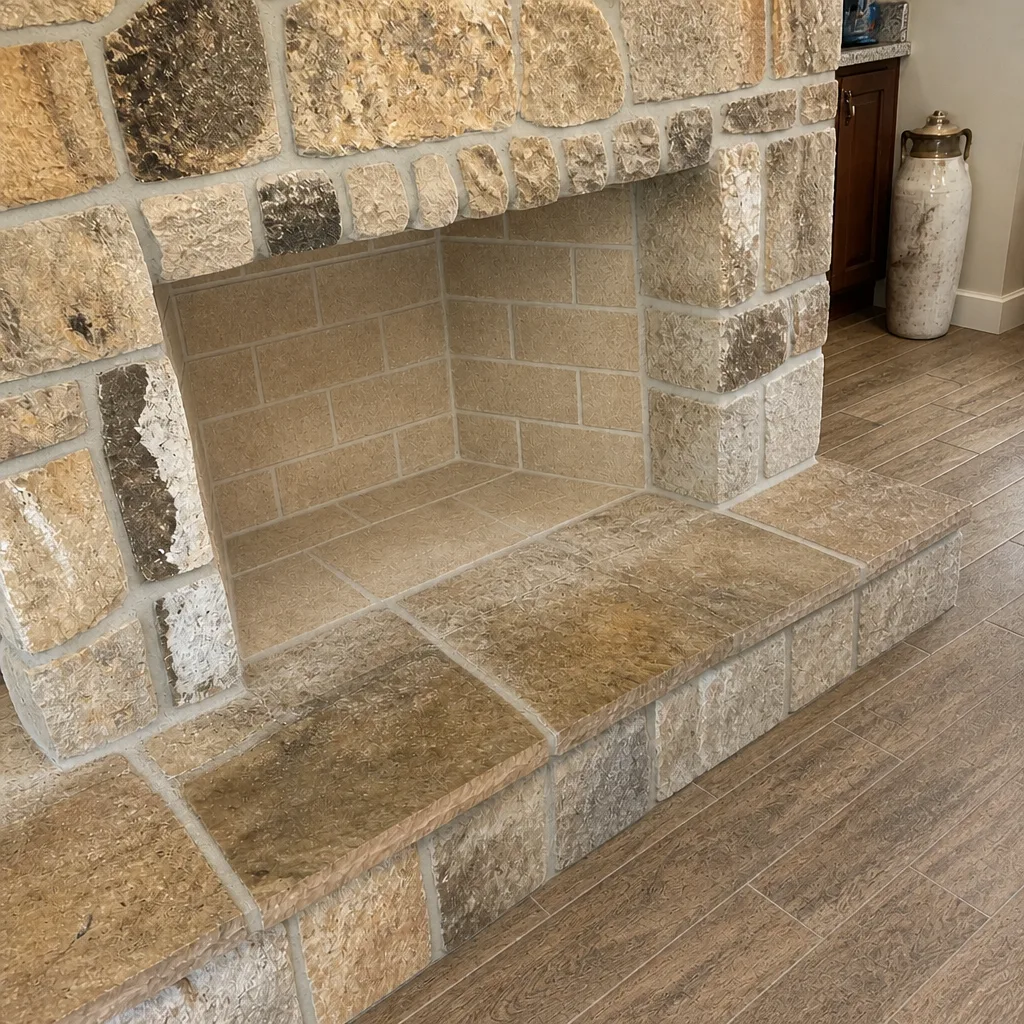
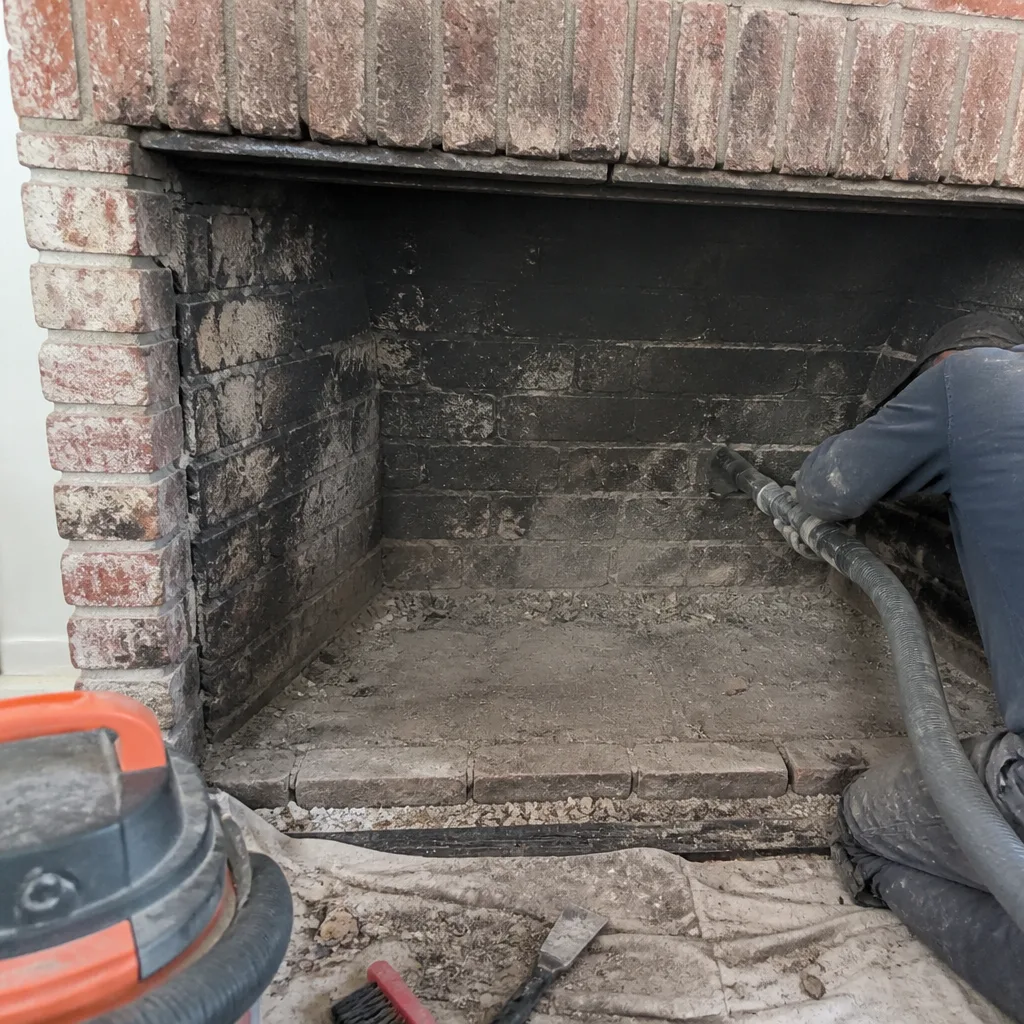
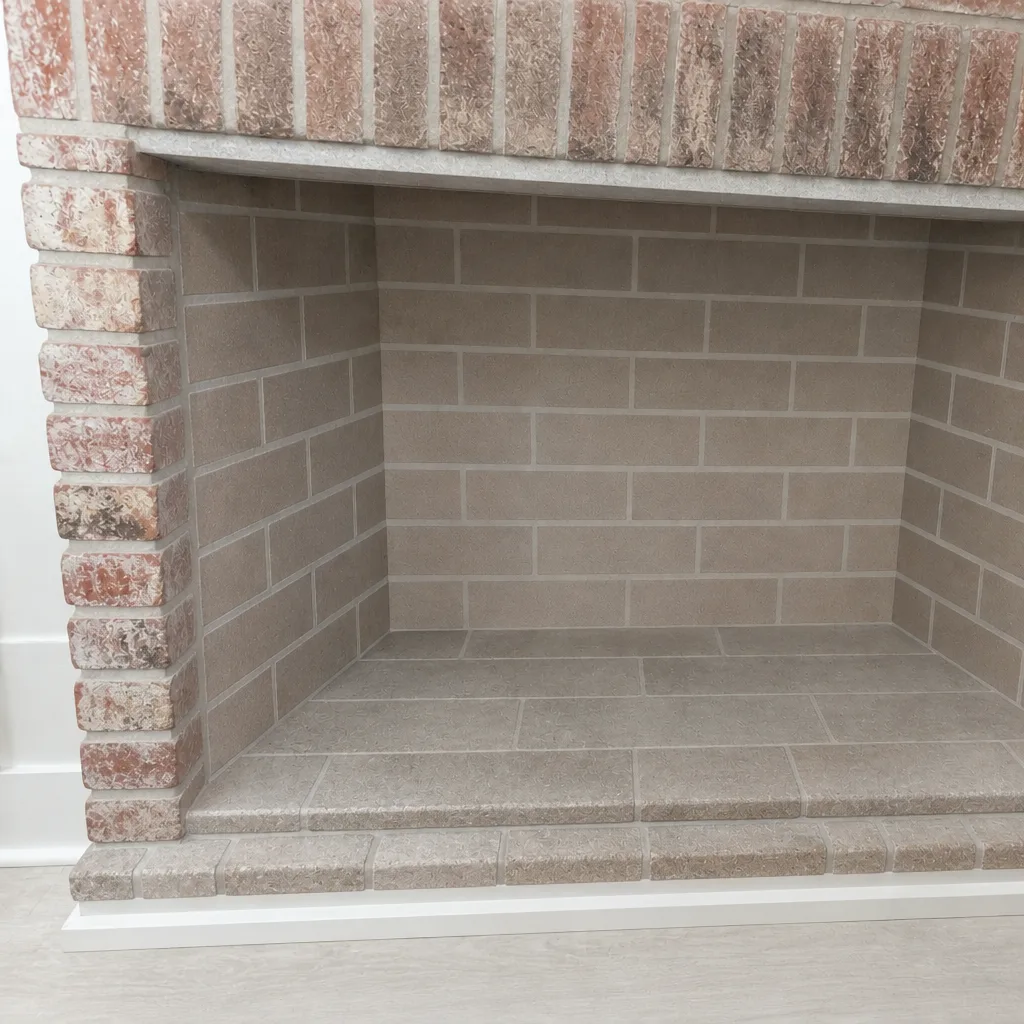
See the difference
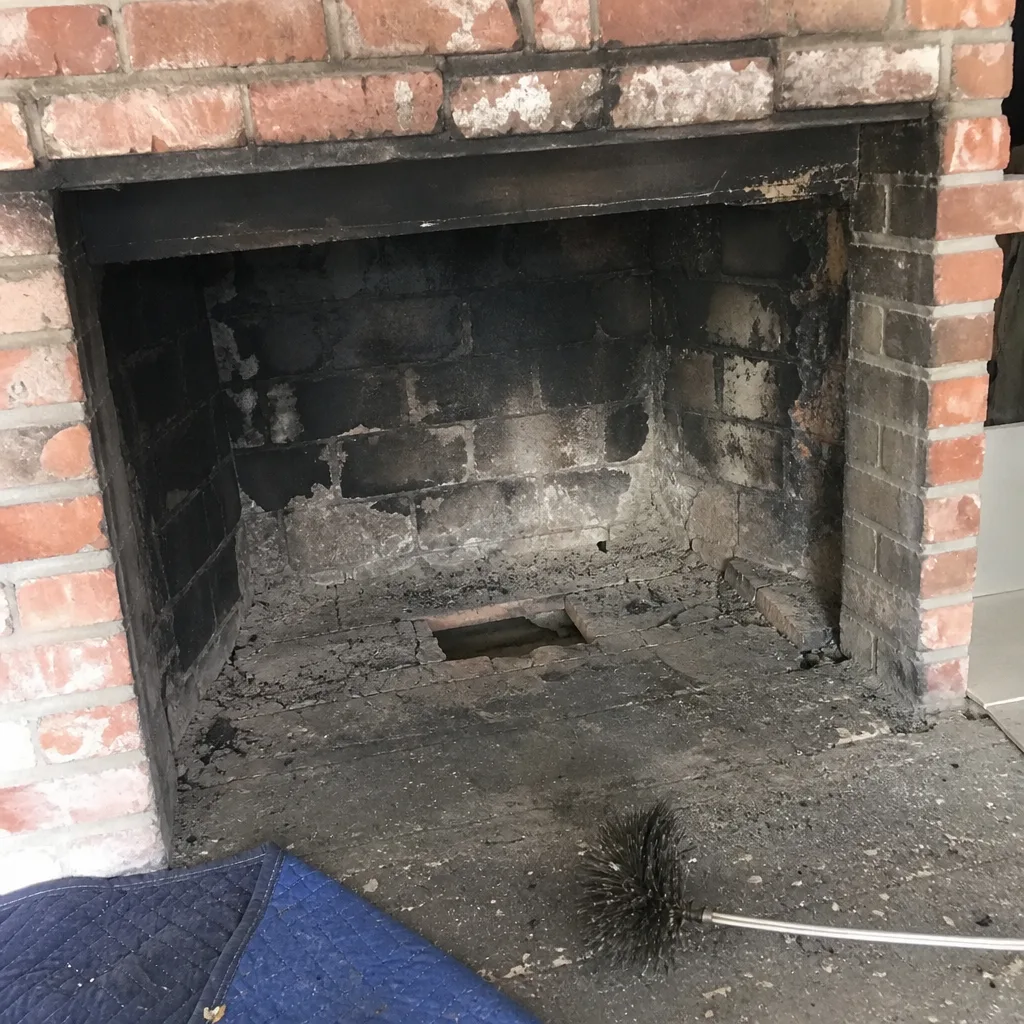 Before
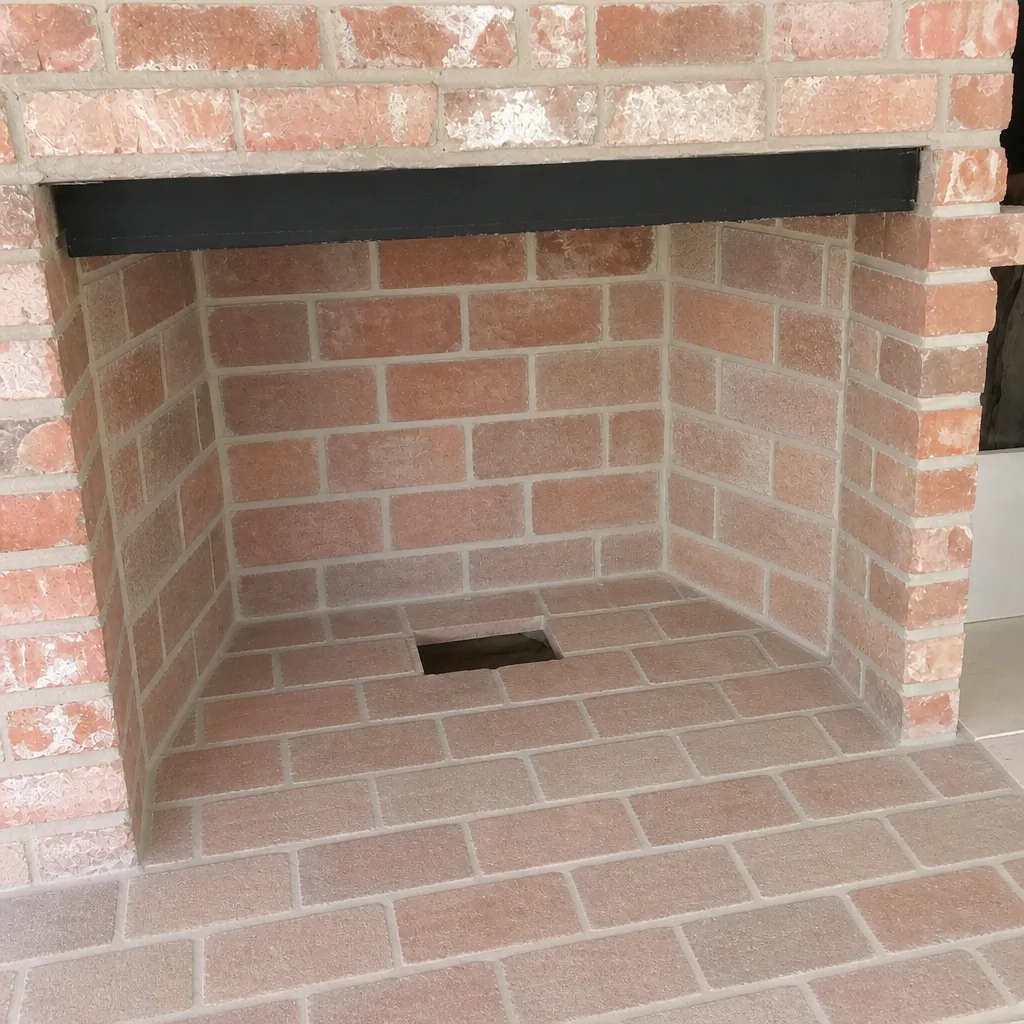 After
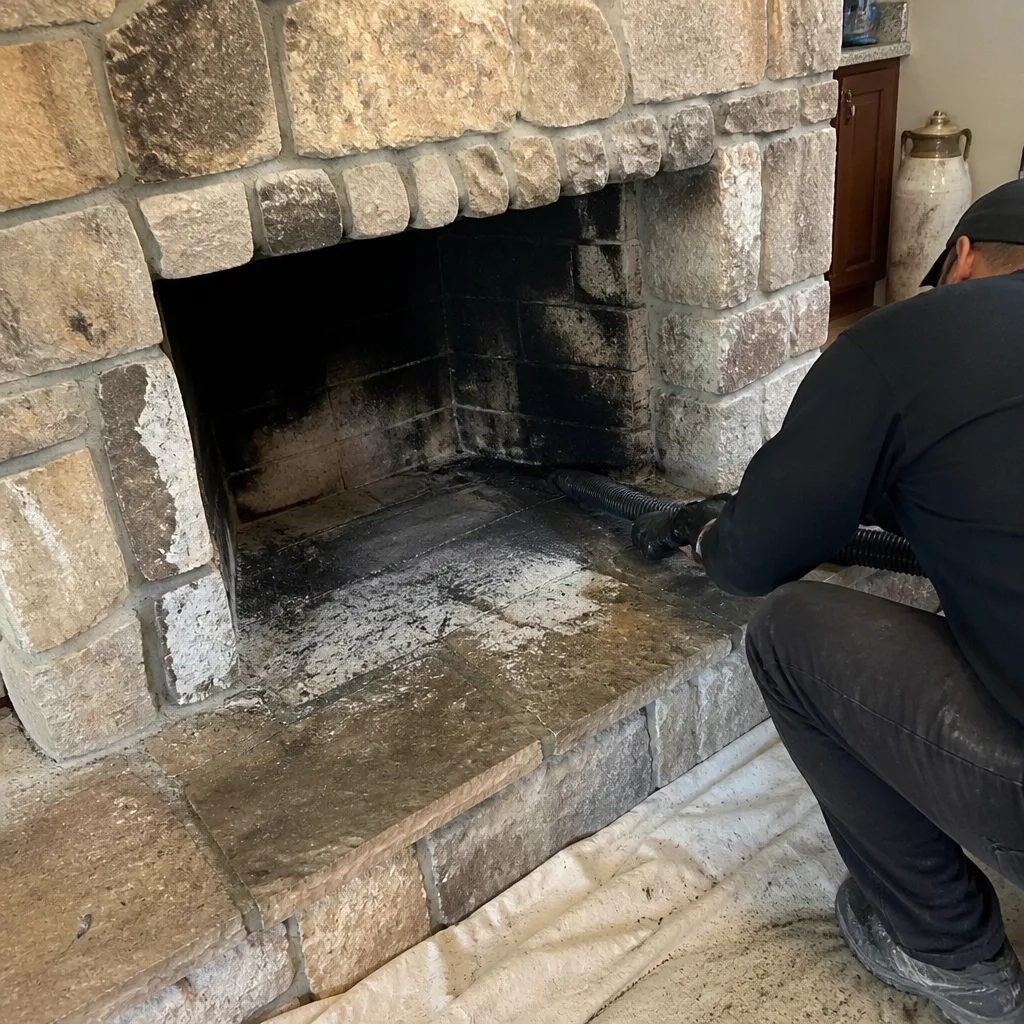 Before
 After
 Before
 After
When to Call a Professional
Call today if you see any Tier 1 sign: smoke entering the living space without a fire, visible flame rollout, a CO alarm activation near the fireplace, black soot staining at the firebox top, or deep cracks in firebox brick. Call within two weeks if you see two or more Tier 2 signs: white staining on exterior brick, mortar joint deterioration at the crown, a damper that won’t seal, rust or corrosion on firebox hardware, or visible creosote flakes. Call before your next fire if your gas insert shows a sour smell, powdery flue residue, or a CO alarm has activated. Call before the next burning season if it’s been more than a year since your last inspection. Chimney Sweep Draper offers free estimates in Draper. Call (866) 947-8303. We answer 24/7. Fast dispatch from 7am to 7pm, Sunday through Friday.
Frequently Asked Questions
Once a year, even if you don’t burn regularly. The annual inspection establishes a baseline and catches Tier 3 signs while they’re still cheap to address. In Draper, the freeze-thaw cycle on exterior masonry is worth a look every year, and gas inserts need the same schedule for liner condensation. Call (866) 947-8303 for an exact quote on inspection – estimates are free.
Sometimes restored, sometimes replaced, and the camera inspection tells you which. HeatShield, a flue resurfacing system, can extend a damaged liner’s life without full relining when the underlying liner is structurally sound. A full DuraFlex flexible liner may be needed when there’s a breech or complex offset configuration the original liner can’t recover. Nothing is recommended without a camera photo you can see yourself. Call (866) 947-8303 for an exact quote – estimates are free.
It depends on the sign, and that’s the honest answer. A Tier 3 sign (light soot, sticky damper) often has no consequence for one more season. A Tier 1 sign (smoke smell without a fire, flame rollout, CO alarm) is a hazard that gets worse with each fire. The risk is not that you’ll always witness a disaster; it’s that you won’t know whether you’re in the safe category or the hazardous one until someone looks. Call (866) 947-8303 for an exact quote – estimates are free.
Yes, but on a two-week timeline, not a stop-using-the-chimney timeline. White staining is efflorescence, minerals pushed out by water moving through the brick. It means water is getting into the structure, most often at the crown or the cap. Left alone across a Draper winter, freeze-thaw cycles turn that stain into spalled brick face. Call (866) 947-8303 for an exact quote – estimates are free.
No. If any Tier 1 sign is present (smoke smell without a fire, CO alarm activation, flame rollout), don’t burn anything until a camera inspection clears the flue. A small fire still produces combustion gases and still draws up the same damaged flue. Call (866) 947-8303 for an exact quote – estimates are free.
Yes, on the same annual schedule. A gas insert’s warning signs work differently (liner condensation damage, spalling from improper liner sizing, a sour smell instead of a campfire smell), but they matter just as much. A CO alarm is the best early indicator, and a camera inspection is what confirms the liner’s condition. Call (866) 947-8303 for an exact quote – estimates are free.
The Bottom Line
Chimney warning signs are not all equally urgent, and treating them that way is where homeowners get into trouble. Sort any sign you notice into the three tiers: Smoke smell without a fire, flame rollout, or a CO alarm is a stop-using-today sign. White staining, crown deterioration, or a stuck damper is a two-week sign. Light soot, minor spalling, or a slightly sticky damper handle belongs at the next annual service. In Draper’s climate, freeze-thaw cycles on exterior masonry accelerate the Tier 2 signs, and gas inserts produce their own warning signs. The right next step is a camera inspection where you see the evidence yourself. Chimney Sweep Draper offers free estimates across Draper. Call (866) 947-8303. We answer 24/7. Fast dispatch from 7am to 7pm, Sunday through Friday.
Written by the team at Chimney Sweep Draper.