
Last updated November 24, 2026
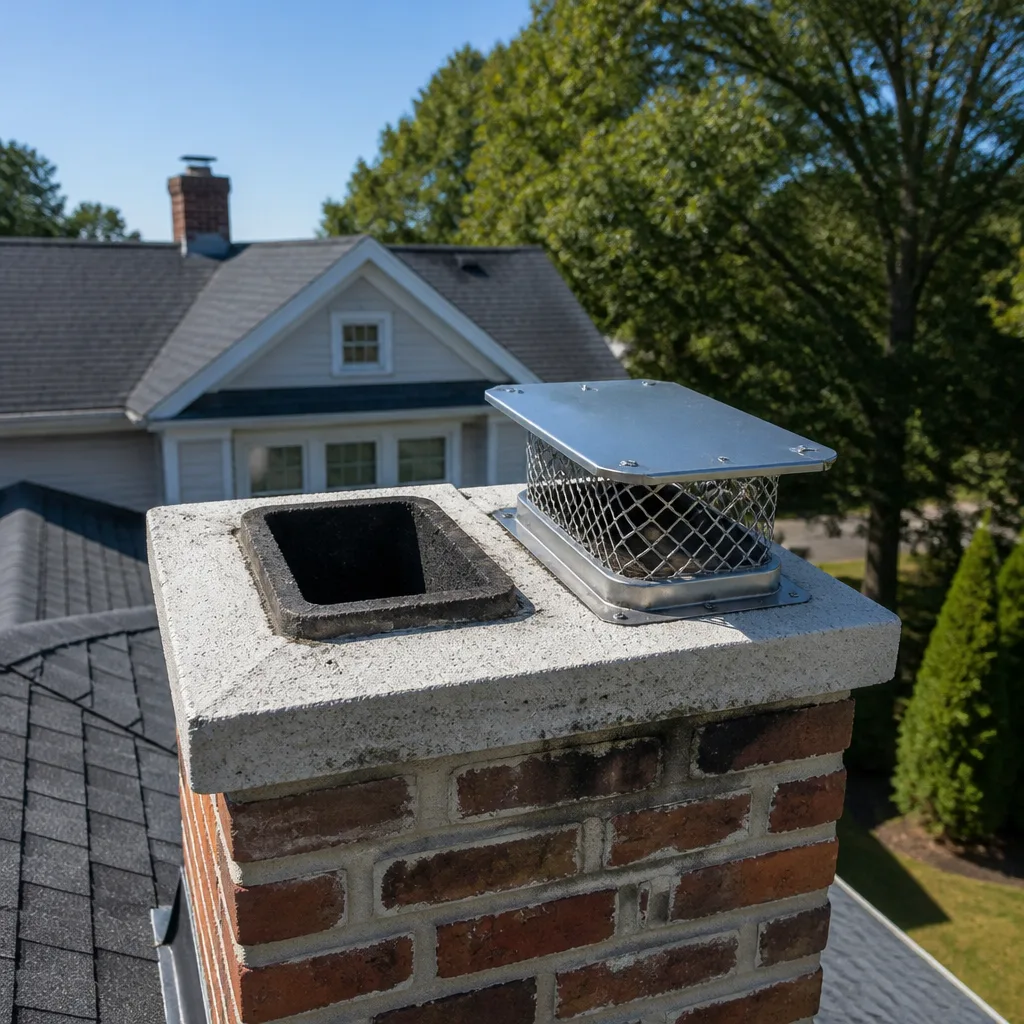 Sweep & inspection
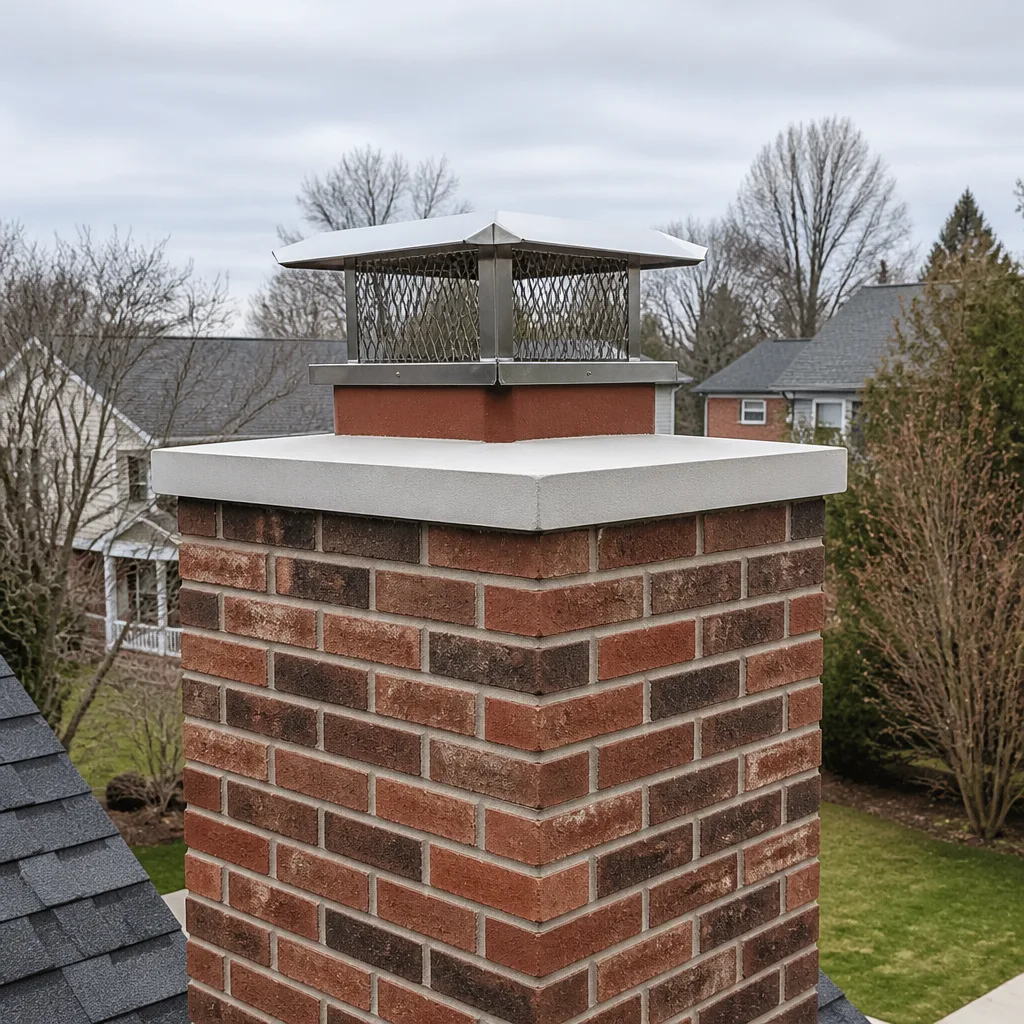 Caps & crowns
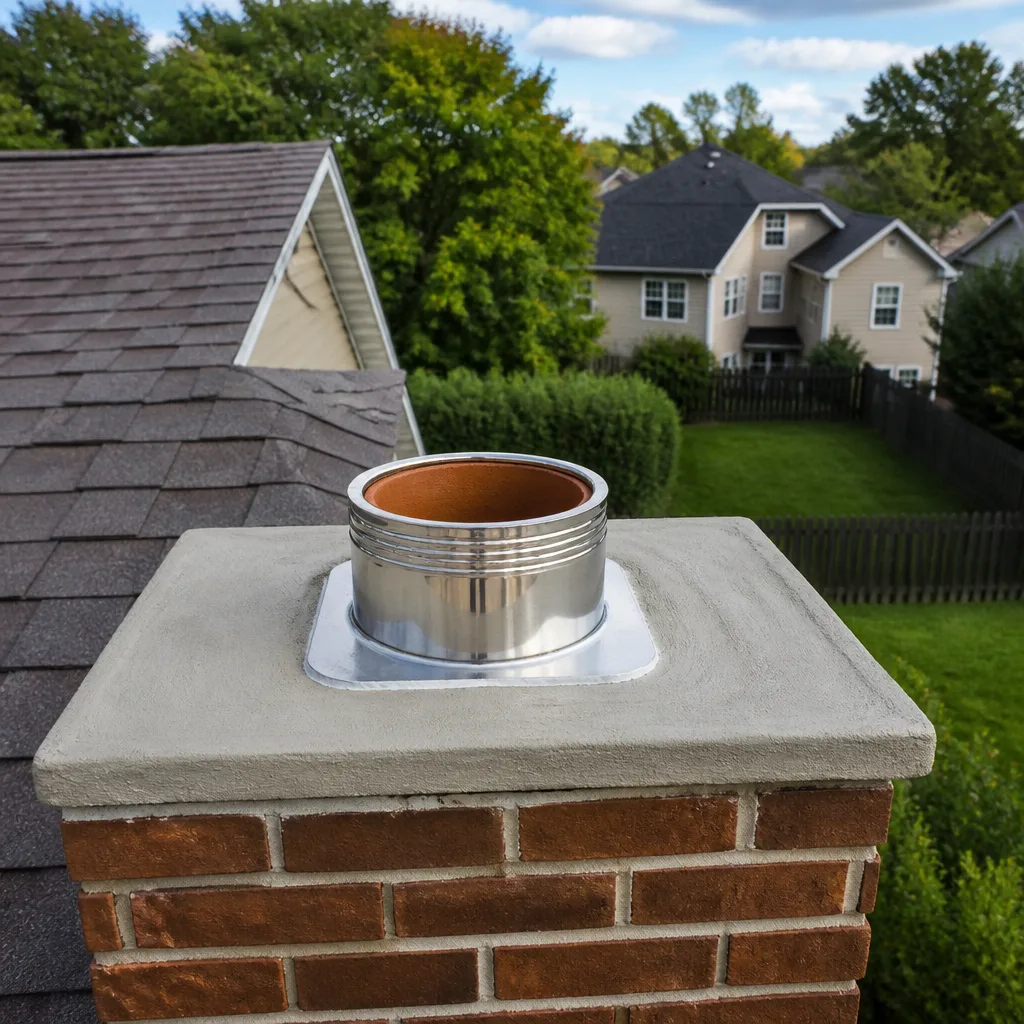 Flue relining
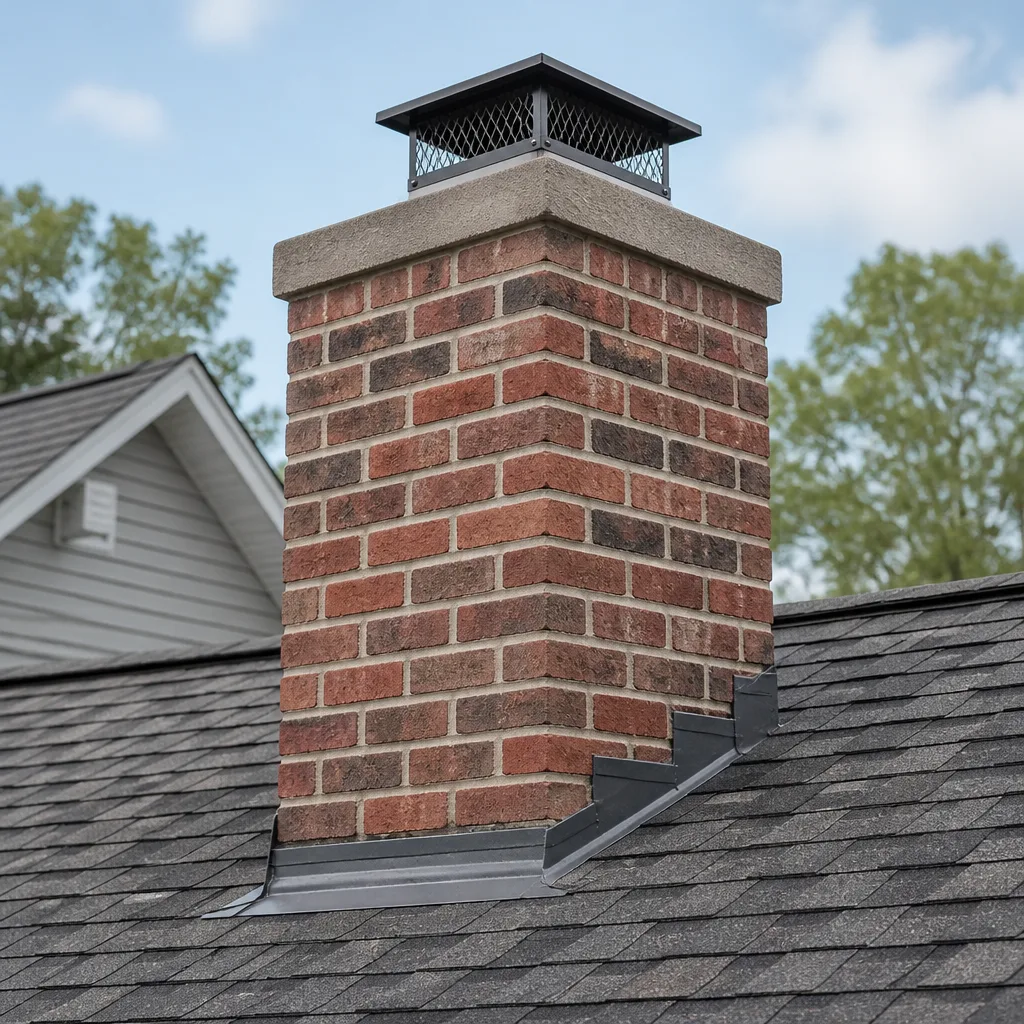 Masonry repair
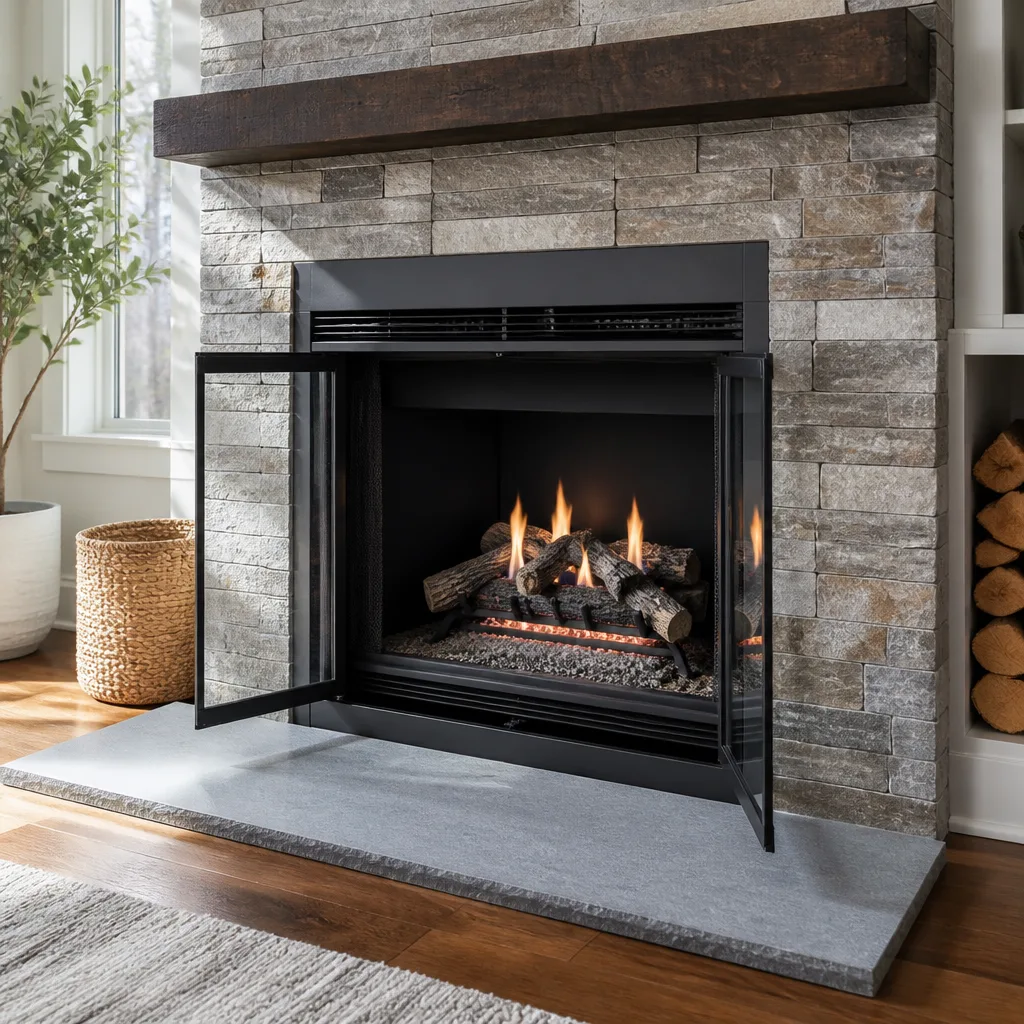 Gas fireplace service
Level 1 sweep and inspection to the NFPA 211 annual standard - flue, crown, cap, and flashing checked and photographed
Chimney sweep logs do not sweep chimneys. They loosen some creosote - which then falls where a brush and vacuum still have to collect it.
The Complete Guide to Chimney Cleaning in Draper
Most chimney fires don’t start in neglected flues. They start in flues that were swept but never properly inspected, because the sweep stopped at the soot and missed a cracked tile or a degraded smoke shelf behind it. That distinction matters more than most homeowners realize, and it’s the reason a cleaning without an inspection is only half a service. In this guide, we’ll walk through what chimney cleaning in Draper actually involves from top to bottom, how the area’s elevation and burning patterns change what “clean” means, which inspection level applies to your situation, and what paperwork you should walk away with when the job is done right.
Quick Answer
A proper chimney cleaning in Draper covers the firebox, smoke shelf, flue liner, smoke chamber, and crown, and it’s paired with an inspection so the technician can confirm the flue is structurally sound, not just free of soot. Most wood-burning chimneys need this annually, and gas-log systems need their own protocol. Elevation near 4,500 feet and cold-snap burning habits in Draper affect how fast creosote builds, which is why a fixed calendar date matters less than how and how often you burn.
Styles & brands we work with
- Sweep & inspection
- Caps & crowns
- Flue relining
- Masonry repair
- Gas fireplace service
Table of Contents
- How Draper’s Elevation Changes Creosote Formation
- Level 1, 2, and 3 Inspections: Which One Applies
- What a Thorough Cleaning Actually Covers
- Gas-Log vs. Wood-Burning: Different Systems, Different Protocols
- The Documentation You Should Walk Away With
- How Often You Really Need a Sweep in Draper
- What Chimney Cleaning Typically Costs
- What to Watch For Between Cleanings
How Draper’s Elevation Changes Creosote Formation
Draper sits at roughly 4,500 feet, and that elevation changes how a fire burns. Thinner air means less oxygen per cubic foot, which makes a wood fire harder to keep hot and clean. A fire that runs cool and smolders produces more creosote than one that burns hot and fast, so a homeowner in Draper can do everything “right” by sweeping on schedule and still build deposits faster than a neighbor down in the valley.
What that means in practice:
- Cold starts matter more. A fire that never reaches a hot, clean burn dumps unburned gases onto a cool flue, and those gases condense as creosote. Warming the flue before lighting the main load helps.
- Seasoned wood is non-negotiable. Wet or green wood fights the fire, cools the flue, and speeds deposit buildup at this elevation.
- Cold-snap burning is a real pattern here. Many Draper households burn hard during the first cold snap, then let the fireplace sit for weeks. That stop-and-start pattern matters, because short, cool fires are the worst kind for creosote.
- Gas inserts change the picture. A lot of newer Draper homes run gas-log systems, which form no creosote but still need cleaning and inspection for debris, venting, and component wear.
The takeaway isn’t a new schedule. It’s that the condition of your flue depends on how you burn, how hot the fire runs, and what your particular system is. That’s why inspection first, recommendations second, is the right order for any chimney sweep visit.
Level 1, 2, and 3 Inspections: Which One Applies
Not every visit calls for the same depth of inspection, and knowing which level fits your situation keeps you from paying for more than you need or accepting less than you should. The three levels follow recognized industry inspection standards.
Level 1 Inspection
A Level 1 inspection is the basic visual check, covering all readily accessible parts of the chimney and venting system with the tools normally used during a routine cleaning. It’s the right call for a system that hasn’t changed and has been maintained on schedule.
Level 2 Inspection
A Level 2 inspection goes further and includes areas that aren’t normally accessed, using video and specialty tools. It applies whenever something about the system has changed. Reach for a Level 2 when:
- You’ve bought or are buying a home. A home purchase is a classic trigger, since you don’t know how the previous owner burned.
- You’ve added or replaced an appliance, switched fuels, or changed the flue configuration.
- The home has been through a chimney fire or a structural event, even a minor one.
- You’ve had storm or seismic damage near the chimney.
- You suspect a problem you can’t see from the firebox.
Level 3 Inspection
A Level 3 inspection is the most involved. It’s used when a serious hazard is suspected and parts of the chimney or building may need to be accessed in ways that go beyond a standard service call. It’s not a routine option; it’s reserved for real diagnostic concerns.
The good part is that our inspection is offered as a standalone service. That means you can get an honest system assessment in Draper without it being bundled into a cleaning upsell. If you’ve inherited an older home or just moved in, that level of inspection is worth asking about up front.
What a Thorough Cleaning Actually Covers
A cleaning isn’t a single action. It’s a sweep of several connected zones, and skipping any one of them leaves a gap. Here’s what a complete cleaning should cover:
- Firebox. The firebox is cleaned of ash, soot, and debris. This is the visible zone and the easiest to judge.
- Smoke shelf. The smoke shelf is a horizontal ledge behind the damper that catches soot and debris. It’s one of the most commonly skipped and most important zones, and a degraded or clogged smoke shelf affects draft and safety.
- Flue liner. The flue liner is the vertical channel carrying exhaust out. It’s swept and inspected for cracks, separation, and other breakdown.
- Smoke chamber. The smoke chamber is the transition zone between the firebox and the flue, and its shape makes it easy to leave soot behind.
- Crown and cap. The crown and cap sit at the top and keep water out. They’re checked for cracks and fit, since water infiltration is a leading cause of long-term structural damage.
Why does this matter so much? Because the dangerous problems in a chimney typically don’t announce themselves in the firebox. A cracked flue tile or a failed smoke shelf behind the visible zone won’t show up in a routine swept-and-done job. A complete cleaning paired with inspection is the difference between a surface pass and a verified system. That principle, built to last rather than patched to pass, is how we approach every job.
When the inspection turns up a problem, you shouldn’t have to hunt for a separate contractor. Chimney Sweep Draper handles the full lifecycle, from fireplace repair through chimney repair, cap and crown work, and liner restoration, all under one company.
Gas-Log vs. Wood-Burning: Different Systems, Different Protocols
A gas-log fireplace and a wood-burning fireplace are not the same job, and the most common shortcut in this trade is treating them as if they are. Cleaning a gas-log system with a wood-fire mindset misses what actually needs attention. Here’s what each system demands:
Wood-Burning Systems
- Creosote removal from the flue is the main event, since wood smoke condenses as creosote on the flue walls.
- The full zone-by-zone sweep matters because creosote accumulates where heat and deposits collect.
- Elevation and burning patterns (see above) affect buildup rate, so cleaning follows condition, not just a date.
Gas-Log Systems
- No creosote forms, but the venting and components still need inspection. Debris, insect activity, and wear still happen behind a decorative log set.
- The correct protocol inspects the venting and the component condition, not just the firebox.
- Contractors that use a one-size cleaning method on a gas-log system are doing a wood-fire procedure on a system it doesn’t fit.
In a mix of older masonry Draper homes and newer construction with gas inserts, the right protocol depends on the system. Asking “what kind of fire do you burn?” before a visit is a good sign you’re talking to someone who knows the difference. It’s also why we handle both at the same call, rather than passing you off.
The Documentation You Should Walk Away With
After every cleaning and inspection, you should leave with paperwork, not just a cleaned firebox. Documentation does two things: it tells you the state of your system, and it gives you a record for the future if you sell the home or need to compare condition over time. A proper service should produce:
- An inspection report. It records the condition of the flue liner, smoke chamber, smoke shelf, and other accessible components, with any findings noted.
- A cleaning certificate or record. This documents that the system was cleaned and when, which is useful for your own records and for a buyer.
- Photographic evidence where a problem is found. If something needs repair, you should be able to see what the technician sees. We work so that nothing is recommended without evidence you can look at yourself. That means you’re never told you need thousands of dollars of repair you have no way to verify.
Documentation also helps put a stop to the biggest source of chimney-repair anxiety, which is being told work is needed without being able to check it. It’s also fair to ask whether recommended work can wait. Sometimes it can. If the inspection shows a problem that isn’t a safety hazard, we’ll say so plainly.
How Often You Really Need a Sweep in Draper
The safest answer for most wood-burning systems is once a year, but in a high, cold-snap climate like Draper’s, the “how often” question is really about how, how hard, and how consistently you burn.
Consider these practical rules:
- Annually is the baseline. A yearly inspection and cleaning catches buildup and structural problems before they compound.
- Burn more, check more. Households that run a fire most of the winter should be more attentive to accumulation than occasional users.
- The 1/8-inch rule. If creosote buildup reaches roughly a quarter inch, it’s time to stop postponing the sweep. Thicker deposits are the ones most associated with chimney fire risk.
- Gas systems need inspection too. Even without creosote, gas logs benefit from regular checks of venting and components.
If you’ve inherited a home in Draper or moved in during the last year or so, don’t assume a fresh coat of paint means a clean flue. Start with an inspection and a Level 2 if the history is unknown. From there, condition drives the schedule, and the technician can tell you what to expect. Call (866) 947-8303 for an exact quote, and remember that the written estimate sets the final price.
What Chimney Cleaning Typically Costs
Nobody likes surprises, so here’s the honest way to think about cost. A cleaning and inspection are quoted per job based on your system and its condition, not pulled off a flat price list. The written estimate you receive is the number that governs, and our estimates are free. Use the table below as a general guide to how typical visits are structured, not as a fixed promise.
- Standard cleaning and inspection: routine sweep of a wood-burning system with a Level 1 inspection to confirm condition.
- Level 2 inspection add-on: deeper inspection with video and specialty tools when there’s a triggering event like a home purchase or appliance change.
- Liner or repair evaluation: when the inspection reveals a problem, a separate written estimate covers the repair before any work begins.
- Gas-log cleaning: its own protocol, based on system condition and components.
What can safely wait versus what shouldn’t? That’s the question that separates an honest inspection from a hard sell. If a repair is recommended, you should see the evidence. If the system is sound, you shouldn’t be sold work you don’t need. Our process is inspection first, recommendations second, and the written estimate before anything gets booked. For a specific number for your chimney in Draper, call (866) 947-8303 and get a free estimate.
What to Watch For Between Cleanings
You don’t need to inspect your own chimney, and for anything high or structural, you shouldn’t. But you can watch for signs that a call is due, and those signs are worth knowing:
- Strong smoky odors coming from the firebox outside of burning, especially after rain or a cold snap.
- Visible soot or creosote on the firebox walls or around the damper area.
- Draft problems where smoke spills into the room at lighting or doesn’t draw cleanly up the flue.
- Water stains or rust around the flue or cap, which points to a crown or cap problem letting moisture in.
- Crumbling masonry or cracked tiles near the top of the chimney, which need a professional look rather than a DIY patch.
A chimney is a safety system, and its failure modes aren’t always visible from the firebox. That’s the whole case for inspection. When it’s time, call (866) 947-8303. We answer 24/7. Fast dispatch from 7am to 7pm, Sunday through Friday.
Common Mistakes to Avoid
- Treating the sweep as the whole job. A cleaning that stops at soot and skips the smoke shelf and flue inspection leaves the real problems in place. The two belong together, and the inspection is where safety gets verified.
- Using wood-fire methods on a gas-log system. Gas logs don’t make creosote, but they still need their own inspection protocol. A one-size service misses the system it’s working on.
- Assuming a recent move-in means a clean flue. A home in Draper that changed hands recently has an unknown burn history. A Level 2 inspection fills that gap before you light the first fire.
- Burning unseasoned wood at high elevation. Cool fires and wet wood build deposits faster, so burning dry and hot matters more here than in lower, warmer valleys.
- Putting off a cap or crown fix. Small cracks at the top are the two components most responsible for water intrusion. Fixing them early is cheaper than repairing what water does to the structure.
- Skipping a repair you’ve already been told about. If an inspection found a cracked flue tile or degraded liner, ignoring it doesn’t make it safe. One company from sweep to repair means you don’t have to source a second contractor and forget the first one’s advice.
- Accepting a repair recommendation you can’t see the evidence for. You should be shown what the technician sees. If you can’t verify the problem, ask to see it before you book the work.
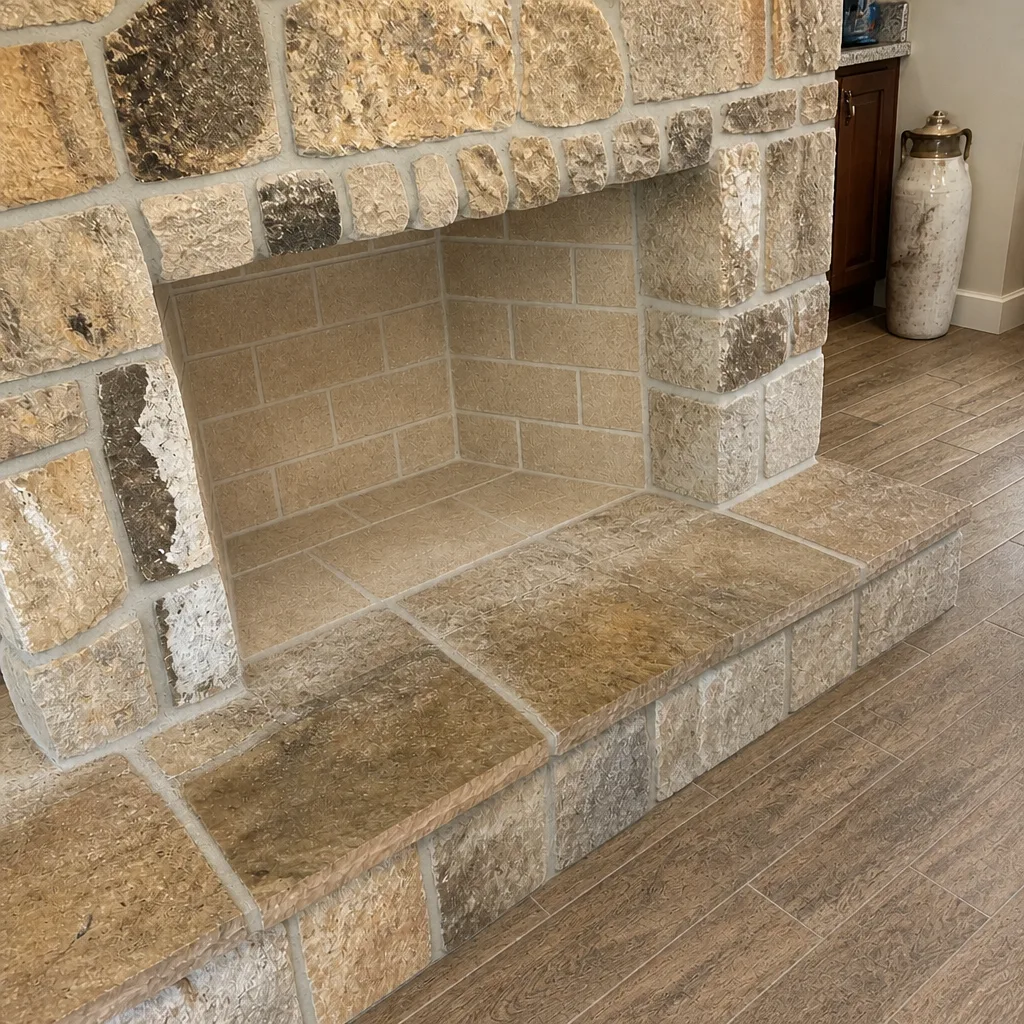
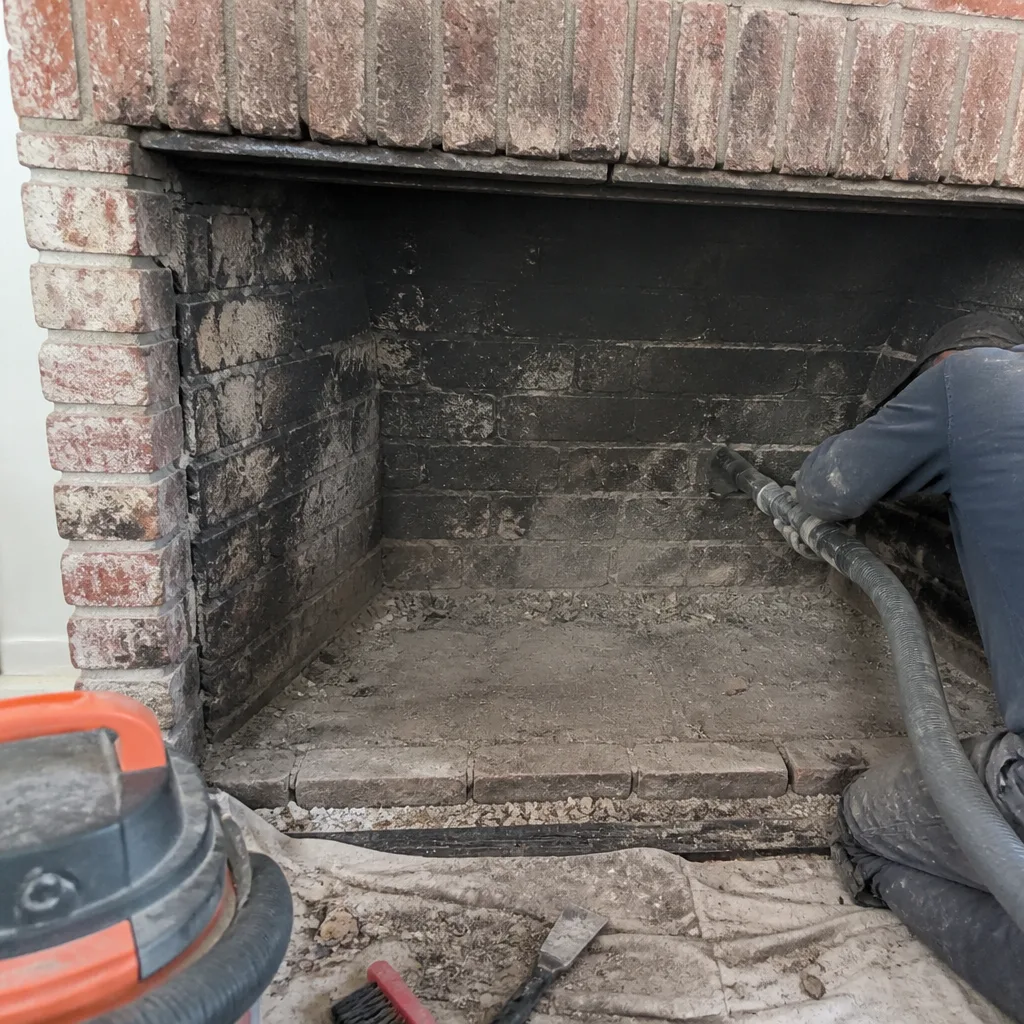
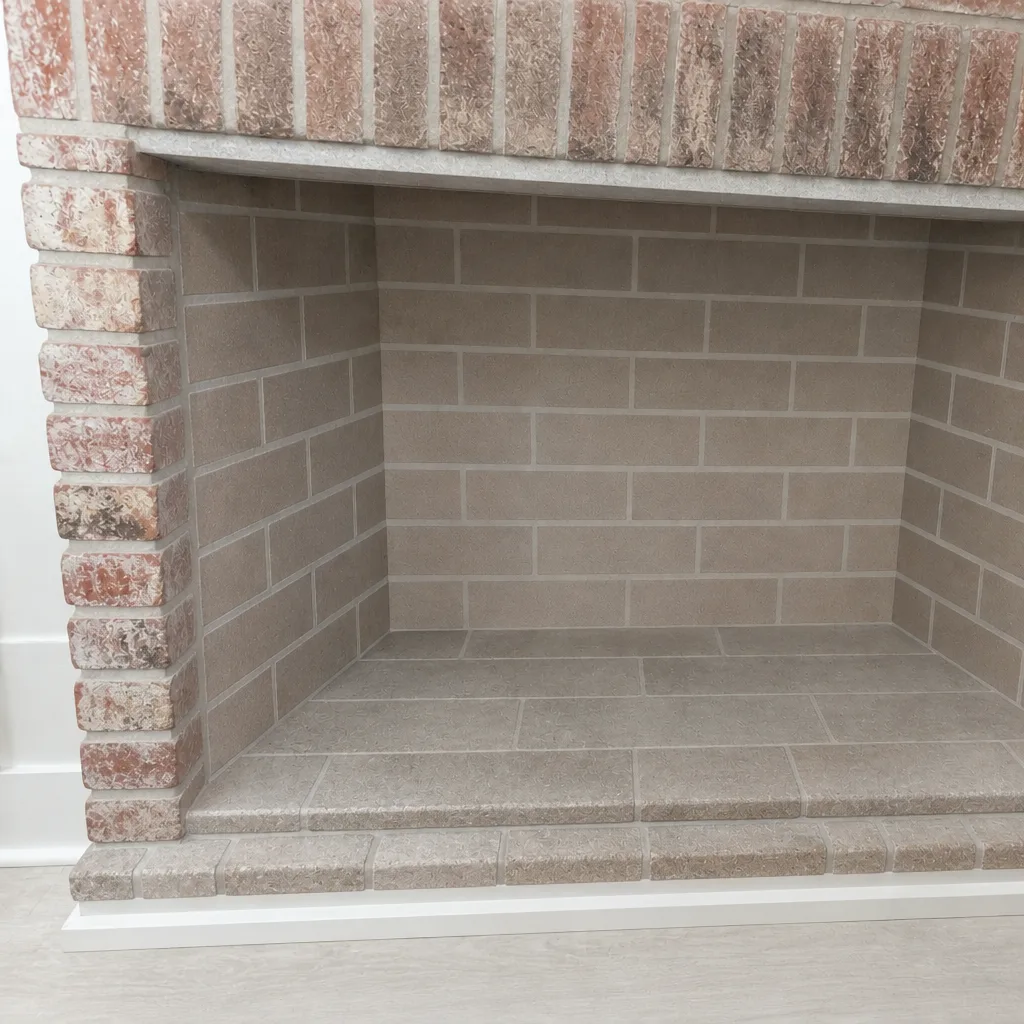
See the difference
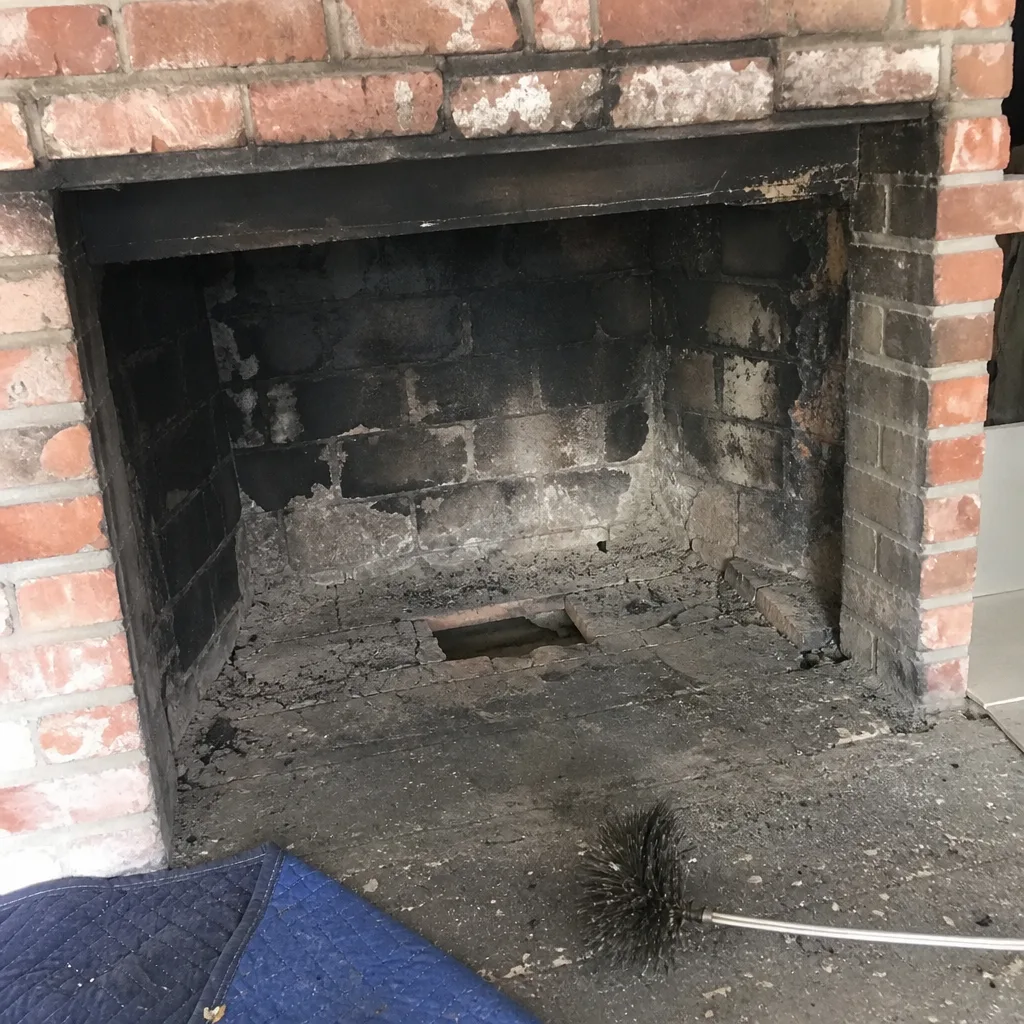 Before
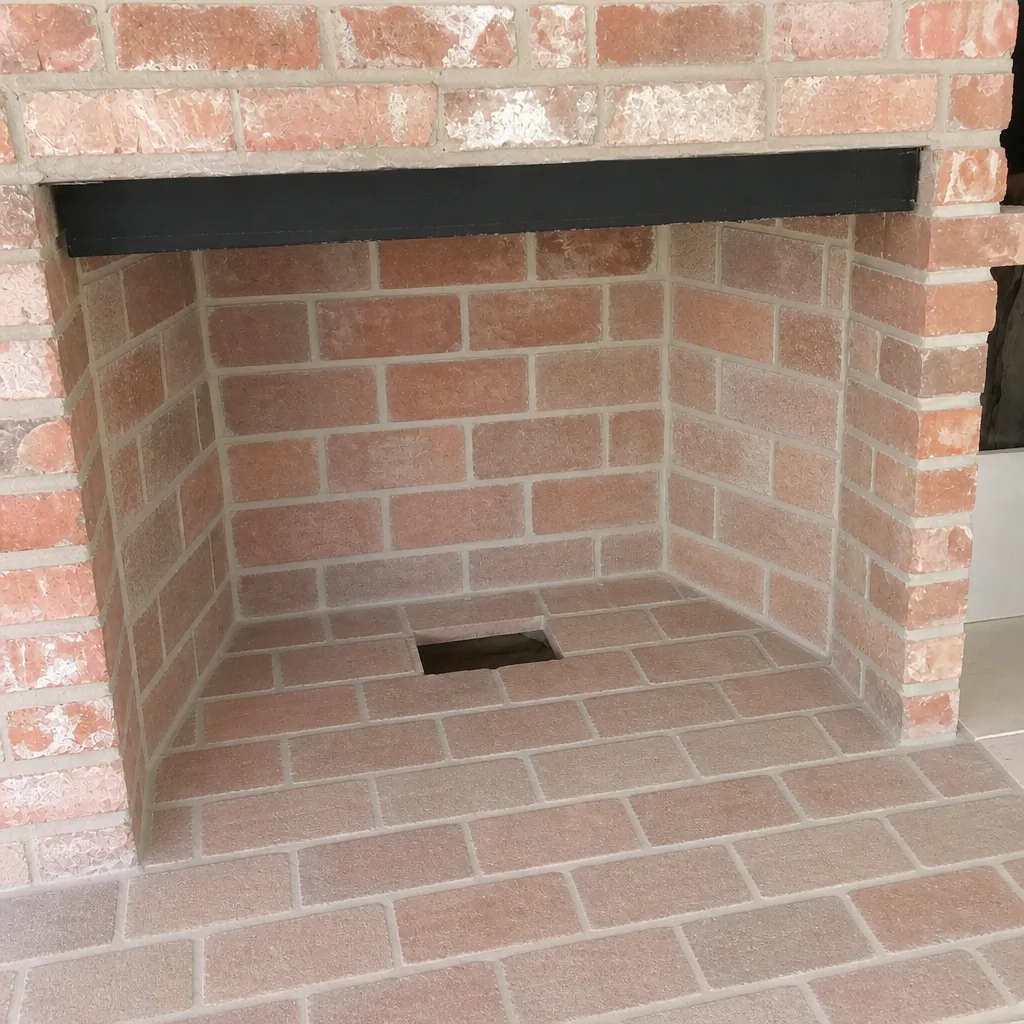 After
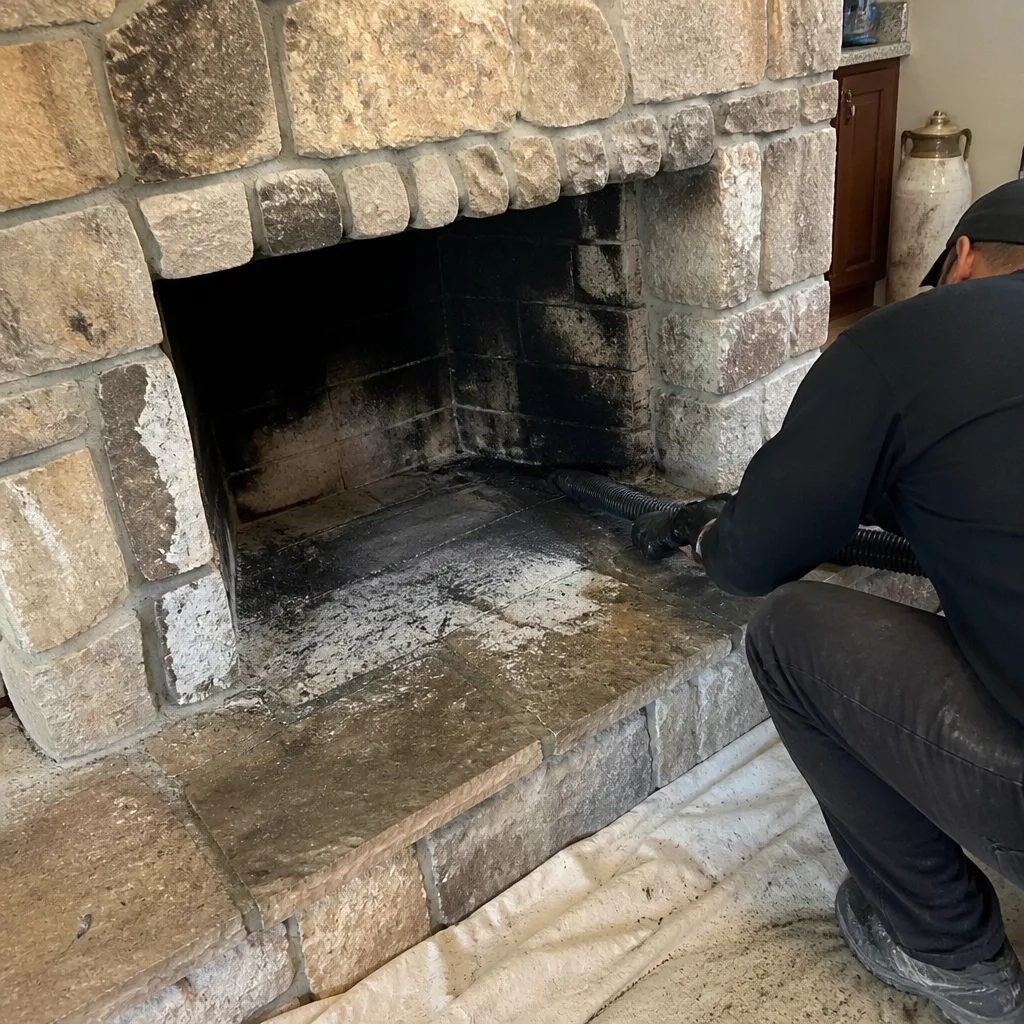 Before
 After
 Before
 After
When to Call a Professional
Call a professional when the work involves anything high, structural, or dangerous, and don’t try to reach a flue liner or a crown on your own. Specific situations that call for a pro: you haven’t had an inspection in more than a year; you just bought or inherited a Draper home and don’t know its burn history; you’ve added or changed an appliance, or switched fuels; you’ve had a chimney fire, storm damage, or seismic concern; you see water stains, rust, or crumbling masonry; or a gas-log or wood-stove installation needs evaluation. A routine annual cleaning qualifies too, since the inspection comes with it. Chimney Sweep Draper offers free estimates in Draper. Call (866) 947-8303. Our technicians have up to 11 years of experience, and we handle the full lifecycle, from cleaning through liner and structural repair, using professional-grade brands like HeatShield for flue resurfacing, DuraFlex for flexible liner work on complex flue configurations, Olympia Chimney, Famco, and Copperfield. If you’re ready to book or just want a Chimney Sweep Draper assessment, we’ll take it from there.
Frequently Asked Questions
A cleaning and inspection are quoted per job based on your system and its condition, so the best number comes from a free estimate. The written estimate sets the final price, and nothing is booked until you’ve agreed to it. Call (866) 947-8303 for an exact quote, and keep in mind that the condition of your flue may call for a Level 2 inspection and a separate repair estimate if something is found.
Not always. A damaged flue liner is sometimes resurfaced rather than replaced, and HeatShield is a system that can extend the life of a damaged liner by resurfacing it when the structure allows. Whether you need a new liner or can be resurfaced depends on the inspection, and you should be shown the evidence before either is recommended. Some liner work also calls for a flexible system like DuraFlex when the flue configuration is offset and rigid systems don’t fit. Call (866) 947-8303 and we’ll walk you through what your flue actually needs.
Once a year is the baseline for most wood-burning systems in Draper, but it depends on how hard and how often you burn. A household that runs a fire most of the winter should be more attentive, and anyone whose creosote reaches roughly a quarter inch needs a sweep. Gas-log systems still need regular inspection even without creosote. If you’re not sure, call (866) 947-8303 and we’ll help you figure out the right schedule.
Skipping a cleaning lets creosote accumulate and lets unseen problems like a cracked flue tile or a degraded smoke shelf go unnoticed, and those are the problems most associated with chimney fire and poor venting. That’s not a scare tactic; it’s why the inspection is paired with the cleaning. If something is found that can safely wait, we’ll tell you so. Call (866) 947-8303 to get the system checked.
A home purchase is a classic trigger for a Level 2 inspection, because you don’t know how the previous owner burned or maintained the flue. A Level 2 uses video and specialty tools to look at areas a basic check doesn’t cover. A Level 3 is reserved for suspected serious hazards. If you’ve just moved into a Draper home, call (866) 947-8303 and ask for a Level 2 inspection up front.
Gas-log fireplaces don’t form creosote, but they still need inspection of the venting and components, and that’s a different protocol than a wood-burning sweep. Treating a gas system with wood-fire methods is a shortcut to avoid, so make sure the technician knows which system they’re working on. In Draper’s mix of older masonry homes and newer gas inserts, that distinction comes up often. Call (866) 947-8303 to book the right protocol for your system.
The Bottom Line
Chimney cleaning in Draper isn’t a single task; it’s a process that covers the firebox, smoke shelf, flue liner, smoke chamber, crown, and cap, paired with an inspection that verifies the system is sound, not just swept. Draper’s elevation around 4,500 feet and cold-snap burning patterns mean creosote builds differently here than in lower Utah cities, so condition drives schedule, not a fixed calendar date. Know your inspection level, expect documentation you can see, and avoid the shortcut of skipping zones or using wood-fire methods on gas-log systems. When something turns up, one company from sweep to repair means it gets handled without a second call around town. If you’re ready to move, call (866) 947-8303. We answer 24/7. Fast dispatch from 7am to 7pm, Sunday through Friday, and the written estimate sets the final price.
Written by the team at Chimney Sweep Draper.