
Last updated November 24, 2026
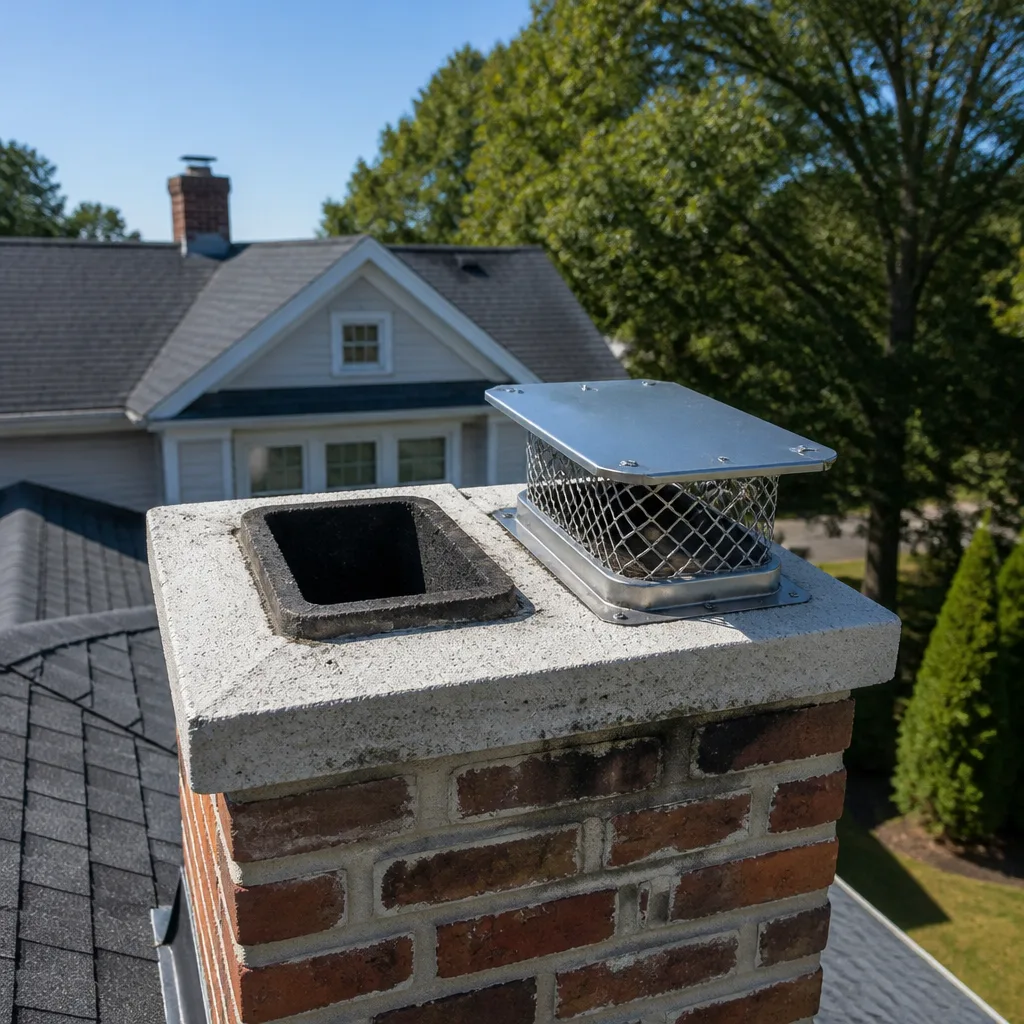 Sweep & inspection
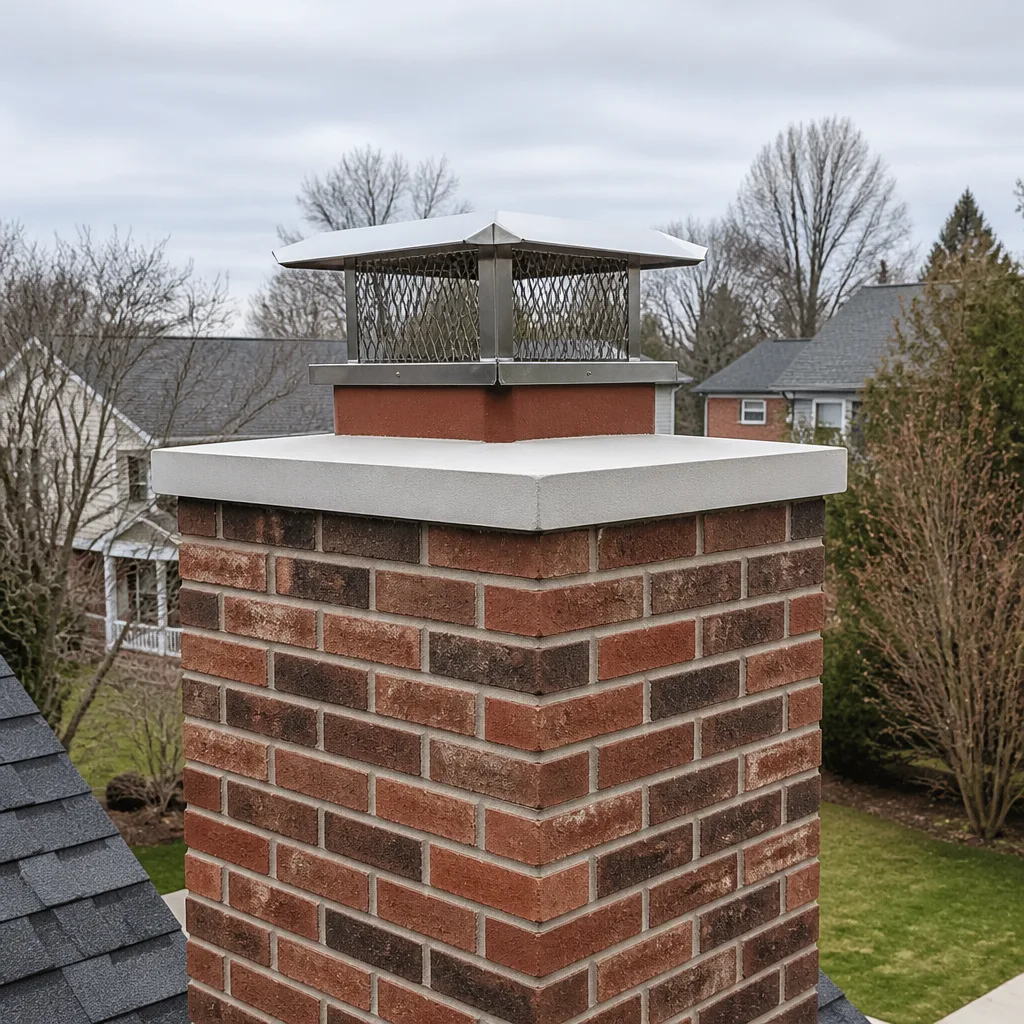 Caps & crowns
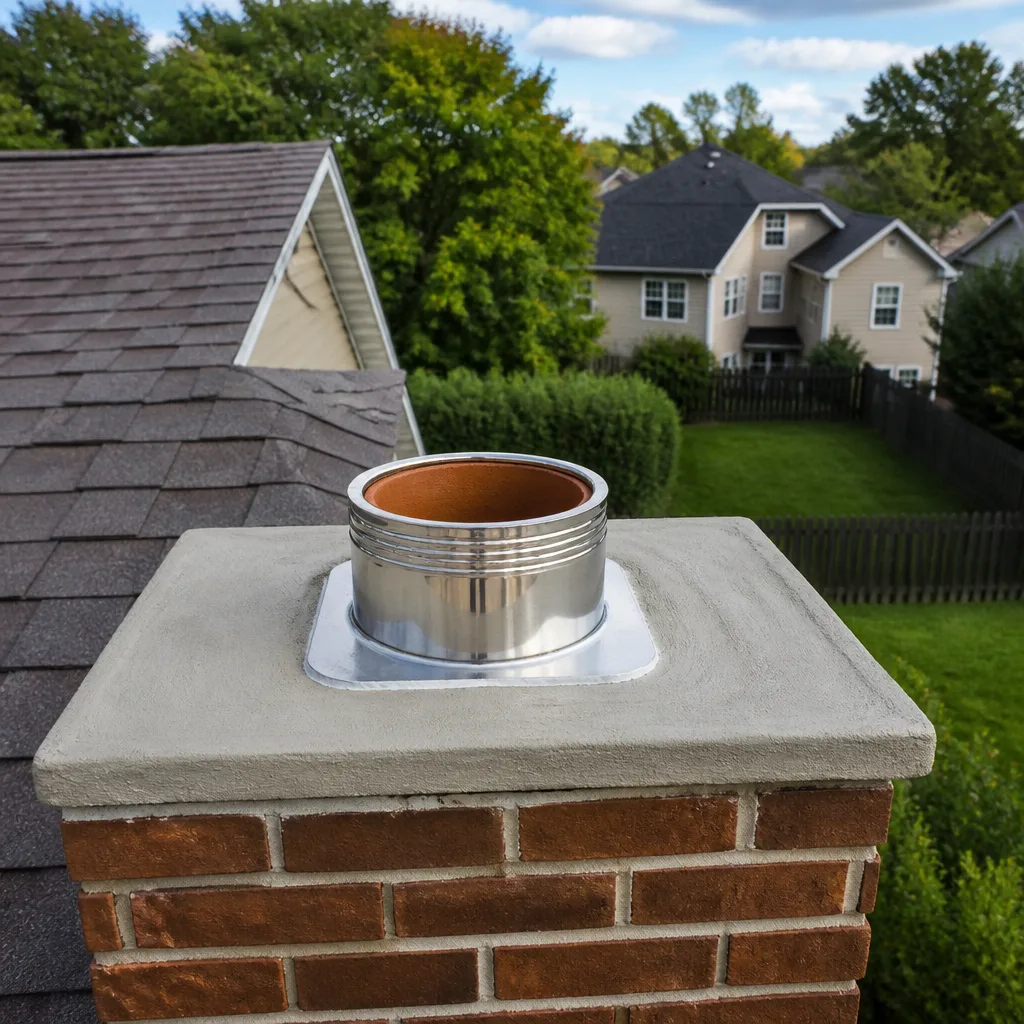 Flue relining
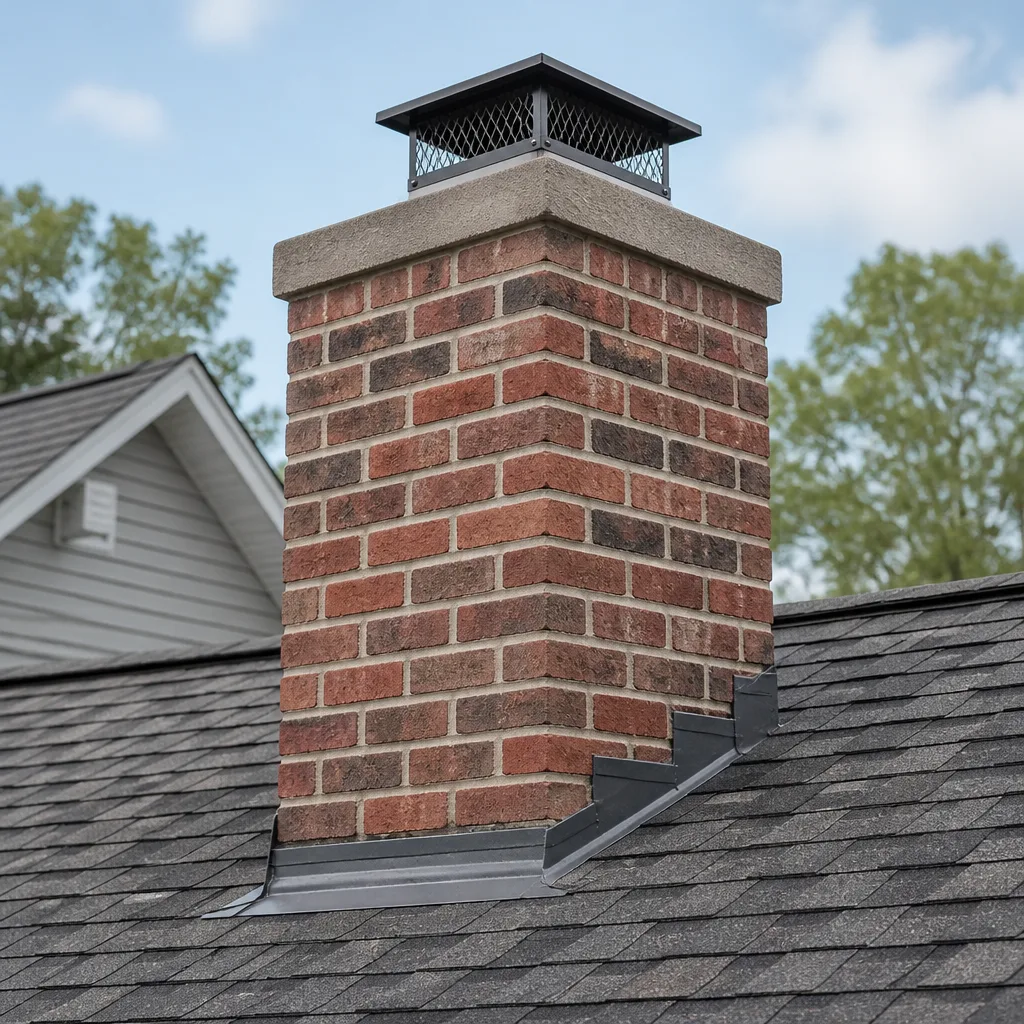 Masonry repair
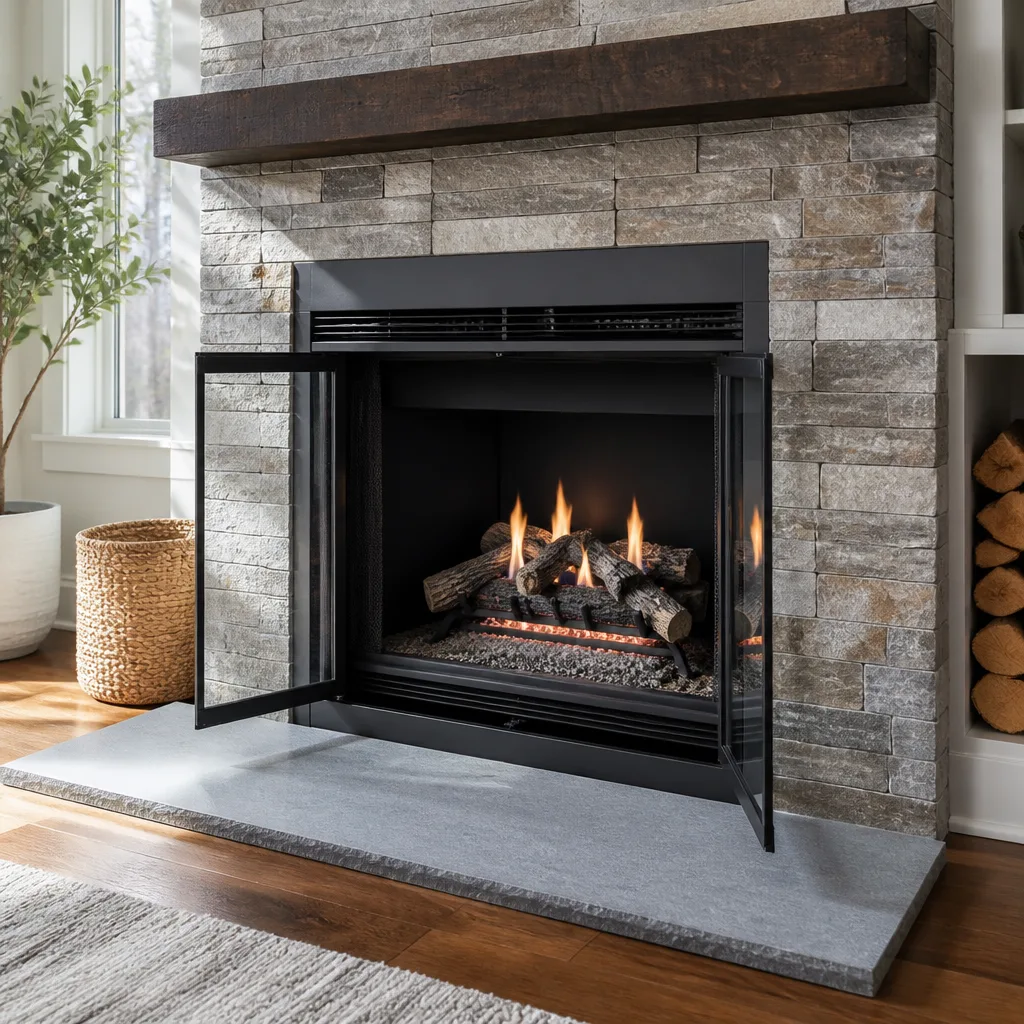 Gas fireplace service
Level 1 sweep and inspection to the NFPA 211 annual standard - flue, crown, cap, and flashing checked and photographed
Chimney sweep logs do not sweep chimneys. They loosen some creosote - which then falls where a brush and vacuum still have to collect it.
Choosing the Right Chimney Cleaning Brand: A Buyer’s Guide for Draper
Most homeowners in Draper ask the same question when they book a sweep: how much will it cost? Almost nobody asks what brand of liner, cap, or sealant is going into their chimney. That’s a mistake. Two contractors can quote the same price and install wildly different materials. One uses a UL-listed flexible liner sized to your appliance; the other slides in a generic import with no certification and wall thickness that varies along the roll. You won’t notice the difference until it fails, and by then it’s a repair job, not a cleaning job. This guide walks through the product categories that actually have meaningful quality tiers in Draper, the brands worth recognizing, and the questions that separate a careful contractor from a fast one.
Quick Answer
The right chimney brand for a Draper home depends on which component you’re replacing. For liners, look for UL-listed flexible stainless systems in 316L or 304 alloy, sized to your appliance’s BTU output, from brands like DuraFlex. For caps and crowns, 16-gauge stainless or copper from a recognized manufacturer outlasts galvanized sheet metal by a decade or more. For flue resurfacing, HeatShield is the industry reference. Ask any contractor what brand they’re installing and why. A vague answer is your signal to keep looking.
Styles & brands we work with
- Sweep & inspection
- Caps & crowns
- Flue relining
- Masonry repair
- Gas fireplace service
Table of Contents
- Why Chimney Product Brands Matter in Draper
- Flue Liner Systems: Alloy Grades and What They Mean
- Chimney Caps: Why Gauge and Metal Type Outlast Everything
- Crown Sealers and Repair Materials
- Waterproofing Sealants: Vapor-Permeable vs. Trapping
- Questions to Ask Any Contractor About Materials
- How Draper’s Climate Tests Chimney Materials
- Common Mistakes to Avoid
- When to Call a Professional
- Frequently Asked Questions
Why Chimney Product Brands Matter in Draper
A chimney is not a passive hole in the roof. It’s a working system that handles combustion byproducts, moisture cycling, and freeze-thaw expansion every winter. The materials inside that system absorb daily stress for years. When a component fails, the failure mode is rarely dramatic at first. It’s a hairline crack in the crown that lets meltwater into the masonry, or a liner seam that opens just enough to admit carbon monoxide into the attic. You don’t see it happening.
Brand matters because it’s the closest proxy you have for manufacturing consistency. A liner from a company that publishes alloy certifications and wall-thickness tolerances is a fundamentally different product from an unmarked roll that arrives from a supply house. The certification isn’t marketing decoration. It means an independent testing lab verified that the product meets a standard, and that the manufacturer accepts liability if it doesn’t. In our experience working on Draper homes, the liner is usually the single most consequential purchase a homeowner makes without knowing it.
Here’s the counterintuitive part: brand choice matters more on repairs than on cleaning. A sweep is a sweep; technique and brush type differ, but the result is comparable. A liner, a cap, or a crown repair is a permanent installation. Get it right and it lasts decades. Get it wrong and you’re paying twice. That’s why the brands worth knowing cluster around the repair side of the trade: DuraFlex for liners, HeatShield for resurfacing, Copperfield and Famco for caps and accessories. Most homeowners have never heard of any of them.
Flue Liner Systems: Alloy Grades and What They Mean
If your chimney has a damaged clay tile liner, or no liner at all, the standard fix is a flexible stainless steel liner. These are corrugated tubes that slide down the flue and connect your appliance to the chimney top. They come in different alloys, thicknesses, and configurations, and the differences are not cosmetic.
316L vs. 304 Stainless
Two alloy grades dominate the market. Type 316L includes molybdenum, which makes it more resistant to chloride attack. That matters if you burn wood, because wood smoke carries chlorides. Type 304 is the more economical option and is common in gas appliance applications where the flue gas chemistry is less aggressive. Neither is “wrong,” but installing 304 where 316L belongs shortens service life.
What Certifications Actually Tell You
A UL-listed liner has been tested for temperature rating, corrosion resistance, and structural integrity under the standard that applies to your installation. An unlisted liner may look identical. The differences hide in wall thickness consistency, seam welds, and the manufacturer’s warranty. Some flexible systems like DuraFlex are engineered for offset and complex flue configurations that rigid liners cannot navigate, which matters on older Draper homes where the flue often isn’t a straight shot from firebox to cap.
- Ask what alloy the liner is: 316L for wood, 304 where the appliance allows.
- Ask for the UL listing number and the appliance type it’s rated for.
- Ask how the liner gets sized to your appliance’s BTU output.
- Ask for the manufacturer’s warranty in writing before installation.
An undersized liner is a common failure. The flue gas doesn’t have enough velocity to clear, which accelerates creosote buildup and can affect draft. Sizing is a calculation, not a guess, and a contractor who doesn’t mention it is a contractor who doesn’t do it. If you’re not sure your current liner is sound, a scheduled chimney sweep with a camera inspection will tell you without guessing.
Chimney Caps: Why Gauge and Metal Type Outlast Everything
A chimney cap is the lid on top of the flue. It keeps rain, snow, birds, and small debris out while letting smoke escape. It’s a small component, and it’s the one most frequently replaced with the cheapest possible substitute. That’s a mistake with a measurable cost, because the cap sits in the harshest environment on the entire house.
Galvanized sheet metal caps are cheap to manufacture and cheap to replace. In Draper’s high-altitude sun and repeated freeze-thaw cycles, they rust through and develop holes in a handful of years. A 16-gauge stainless or copper cap from a recognized manufacturer like Copperfield or Famco will outlast a galvanized version by a decade or more, often much longer. The extra upfront cost is a fraction of what you’d spend replacing a cheap cap three or four times.
- 16-gauge stainless steel: heavy wall, weld-resistant at the seams, the standard for residential installations that face real weather.
- Copper: the longest service life, develops a patina over time, and never rusts through.
- Galvanized sheet metal: thin wall, seams are the first failure point, and rust-through is inevitable given time.
Caps also need to be sized to the flue, not to the chimney chase. A cap that’s too loose catches wind and rattles; one that’s too tight blocks proper venting. When you’re replacing a cap, ask which brand and what gauge. If the answer is silent on both, that tells you what’s going up there. Cap installation is one of the five services we handle directly, alongside chimney repair, so the same company that inspects the flue installs the cap correctly.
Crown Sealers and Repair Materials
The crown is the sloped concrete surface at the very top of the chimney, designed to shed water away from the masonry below. When the crown cracks, water flows into the chimney structure. Over a winter or two, that water freezes, expands, and pushes the masonry apart. The crown is where most long-term structural chimney problems begin, and it’s the repair most often done with the wrong material.
Standard Mortar Patching
Traditional crown repair uses portland cement mortar. It’s the correct choice when the crown needs rebuilding from scratch, or when the damage is structural rather than surface-level. A properly built mortar crown, sloped and properly cured, will last a long time. It is not, however, appropriate for hairline cracks or a surface that’s chalking but still structurally sound.
HeatShield Ceramic Resurfacing
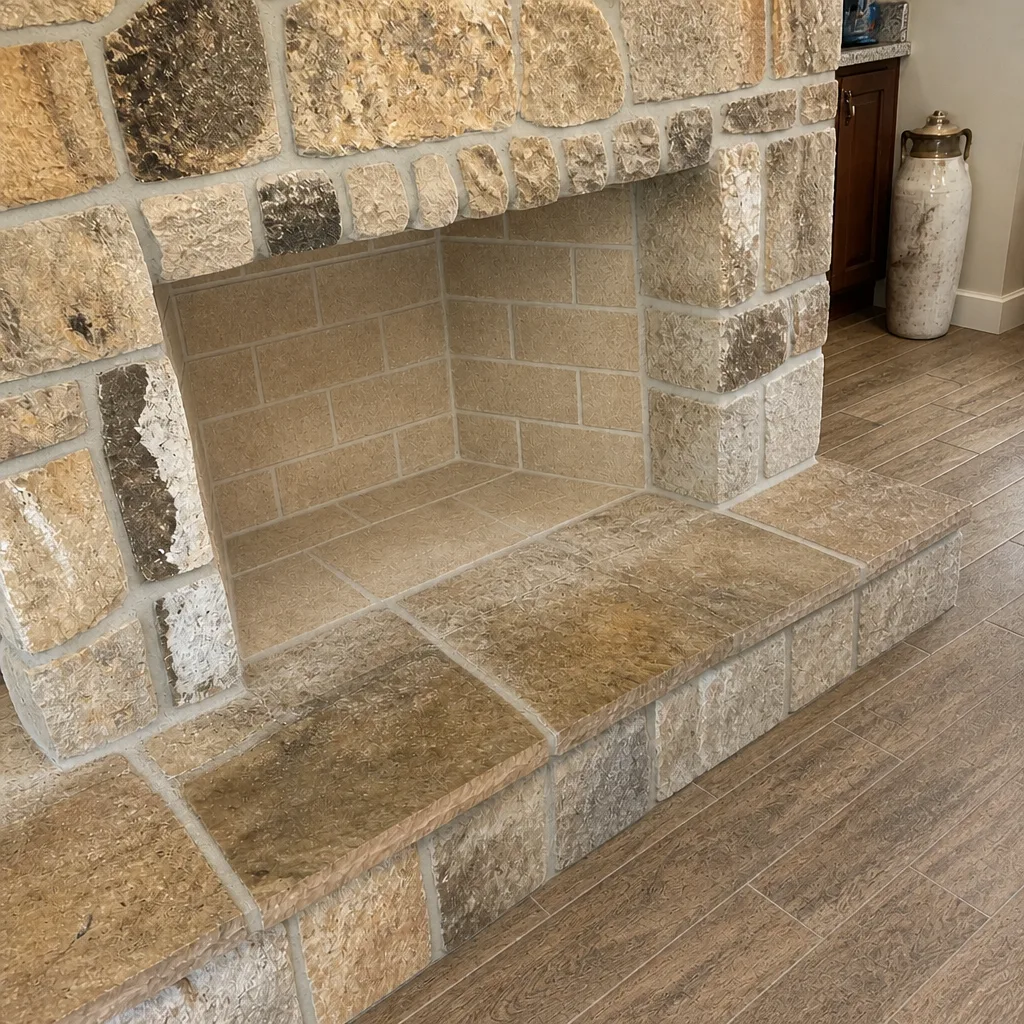
HeatShield is a ceramic-based resurfacing system designed to address damage without rebuilding. It’s applied as a trowelable compound that bonds to the existing flue or crown surface and cures into a hard, smooth layer. For flue liner restoration, HeatShield can extend the life of a damaged clay tile liner where full relining isn’t structurally necessary. That’s a real alternative to a four-figure relining job, and it’s a service many sweep-only contractors simply don’t offer because they don’t carry the material.
The judgment call between HeatShield and a full rebuild is where experience shows. In our work on older Draper homes, we’ve seen crowns that looked far worse than they were and flues that looked fine until the camera went down. The honest answer depends on what’s under the surface, and the only way to know is to look. We don’t recommend a repair without visual evidence you can see on the inspection report.
Waterproofing Sealants: Permeable vs. Trapping
Masonry is porous. Brick and mortar absorb water from rain and snowmelt, hold it, and release it slowly. When that water freezes inside the masonry, it expands and pushes the material apart, which is called spalling. A chimney that spalls loses its outer face over time, and the structural integrity goes with it. Waterproofing sealant is meant to slow that process, but only if it’s the right kind.
Vapor-permeable sealants like ChimneySaver let moisture vapor escape from inside the masonry while repelling liquid water from outside. Non-permeable sealants, including standard masonry paint, do the opposite. They trap water inside the brick with nowhere to go, and when the next freeze comes, the failure is worse than if you’d never sealed anything. This is one of the most common mistakes we see on Draper homes that were sealed by a previous owner or a painter who didn’t know better.
- Vapor-permeable (correct): ChimneySaver and other breathable masonry water repellents; allows internal vapor to pass.
- Non-permeable (avoid): standard masonry paint, elastomeric coatings, and anything labeled “sealer” without a vapor-transmission rating.
Waterproofing is a maintenance item, not a repair. It belongs on a schedule, and it should be applied to a chimney that’s already structurally sound. Sealing a chimney that’s actively spalling traps the problem and makes it worse. That’s why the inspection comes first and the sealant comes later, once the masonry is confirmed healthy.
Questions to Ask Any Contractor About Materials
You don’t need to become a chimney expert to make a good decision. You need to ask the right questions and listen for what the answers tell you. Any contractor who works with professional-grade materials will answer these without hesitation, because the brands are part of how they work.
- What brand of liner are you installing? A specific brand name in seconds means they know their materials. A pause and a wave toward the truck means they don’t.
- Is it UL-listed for my appliance type? The answer should be an immediate yes with a reference to wood or gas. If they don’t know, the liner isn’t verified for the application.
- Can I see the product spec sheet before installation? Legitimate manufacturers publish these. The contractor should have them on hand or be able to provide one.
- What alloy is the liner and why? 316L for wood, 304 for gas, sized to the appliance. A contractor who explains the “why” is a contractor who thought about it.
- What gauge and material is the cap? 16-gauge stainless or copper. Anything less and the cap is a consumable.
- Will I get a written inspection report with photos before any repair recommendation? Yes is the only acceptable answer.
- What’s the warranty on the material versus the labor? Both should be stated in writing on the estimate.
A reluctant or vague answer on any of these signals that the contractor is sourcing generically or doesn’t track what goes into the chimney. Either way, you’re the one who lives with the result. Ask the questions early, before the sweep is scheduled, so you have time to choose a different company if the answers don’t satisfy you.
How Draper’s Climate Tests Chimney Materials
Draper sits at the base of the Wasatch Range, at elevation, with dry summers and hard winters. That combination puts specific stress on chimney components. The UV index at this elevation is intense, which breaks down any material that isn’t UV-stable: plastic caps, thin galvanized coatings, and poorly formulated sealants all degrade faster here than they would at sea level. A cap that lasts a decade on the coast might only last a few years in Draper if it’s the wrong material.
The bigger stress is freeze-thaw. Draper gets repeated cycles where snow melts during the day and refreezes at night, and each cycle expands water trapped in masonry by about nine percent in volume. Over a single winter, that’s hundreds of microscopic expansions. A crown that’s properly sloped and sealed sheds water before it can enter. A crown with a hairline crack lets water in every cycle, and the masonry pays the price a little more each time.
This is why the brand tier matters more here than in milder climates. A 16-gauge stainless cap and a vapor-permeable sealant aren’t luxuries in Draper. They’re the minimum for a chimney that holds up to the local weather. The same logic applies to the flue: a liner that handles thermal cycling well is a different purchase than one that doesn’t. If you’ve inherited an older Draper home and don’t know what’s inside the chimney, the first step is equipment you can trust: Chimney Sweep Draper with a camera inspection and a written report you keep.
Common Mistakes to Avoid
- Choosing a contractor on price alone. Two quotes that look similar on paper can use wildly different materials. Ask what brand is going in before you compare the numbers.
- Letting a painter waterproof the chimney. Standard masonry paint traps moisture inside the brick and accelerates spalling. Only vapor-permeable sealants belong on a Draper chimney.
- Replacing a cap with galvanized sheet metal. It’s the cheapest option on the shelf and the shortest-lived on the roof. Go with 16-gauge stainless or copper instead.
- Skipping the standalone inspection because the sweep quote was bundled. An inspection you pay for separately gets you an honest assessment. An inspection bundled into a cleaning is often a sales tool.
- Installing a liner without sizing it to the appliance. An undersized liner drafts poorly and collects creosote faster. Sizing is a calculation, and it should be documented.
- Sealing a chimney that’s already spalling. Sealant belongs on sound masonry. Applied to failing masonry, it traps the problem and makes the eventual repair larger.
- Ignoring the crown because it “looks okay from the ground.” Cracks that size rarely show from thirty feet away. The crown needs to be seen up close on a routine basis.
When to Call a Professional
Some chimney maintenance is a routine appointment, and some issues need a professional before the next fire. Call a professional if you’ve just purchased a Draper home and don’t know the chimney’s history, if your last inspection was more than a year ago, if you see cracking on the cap or crown, if you notice water stains on the ceiling near the chimney chase, if smoke backs into the room when you light a fire, or if you’re changing appliance types (wood to gas or back) and need the flue verified for the new setup. A chimney that’s actively spalling or has visible masonry damage needs to be assessed before the next heating season, not after.
Chimney Sweep Draper offers free estimates in Draper. Call (866) 947-8303. We answer 24/7. Fast dispatch from 7am to 7pm, Sunday through Friday. A call outside dispatch hours is booked into the next opening, Sunday through Friday, 7am to 7pm. Our technicians have up to 11 years of experience, and every job includes a camera inspection and photo report so you can see what we see before anything is recommended.
Frequently Asked Questions
For flexible liners, look for UL-listed systems like DuraFlex. For flue resurfacing and crown restoration, HeatShield is the industry reference. For caps and crowns, 16-gauge stainless or copper from manufacturers like Copperfield and Famco. These names carry published certifications and real warranties, which is what separates them from generic alternatives.
You need a camera inspection. Visual checks from the firebox don’t see the mid-flue, and that’s where most liner cracks and seam failures show up. An inspection report with photos tells you the alloy, the condition, and whether the liner is still rated for your appliance. Call (866) 947-8303 to schedule an inspection and get an exact quote – estimates are free.
It depends on the liner’s structural condition. Where the clay tile is intact but the surface is cracked or spalling, HeatShield can restore the flue without a full reline and extend its life by years. Where the tile is broken or missing, a full flexible liner is the correct repair. The decision should be based on what the camera shows, not a guess – call (866) 947-8303 for an honest assessment.
The general industry guidance is an annual inspection, with sweeping as needed based on how much you burn and what you burn. Wood-burning fireplaces that see regular winter use usually need a sweep once a season. Gas appliances often go longer between sweeps but still need the annual inspection to confirm the flue and venting are clear. Call (866) 947-8303 to book the inspection and get a written report.
Vapor-permeable sealants like ChimneySaver let moisture vapor escape from inside the masonry while repelling liquid water from outside. Non-permeable products, including standard masonry paint, trap moisture inside the brick, and when it freezes, the spalling gets worse. In Draper’s freeze-thaw climate, permeable is the only correct choice on a masonry chimney.
If the cap is galvanized sheet metal with rust-through or seam failure, it needs replacing, not sealing. A 16-gauge stainless or copper cap from a recognized manufacturer will outlast the galvanized version by a decade or more in Draper weather. Call (866) 947-8303 for an estimate on cap replacement – the written estimate sets the final price.
The Bottom Line
Brand choice is the most underrated decision in chimney service. The liner, the cap, the crown material, and the waterproofing sealant you put on a Draper chimney determine how many years of service you get before the next repair, and no amount of careful technique compensates for the wrong product underneath. Ask the brand. Ask for the spec sheet. Ask what alloy and what gauge. A contractor who works with professional-grade materials answers those questions without hedging, and one who doesn’t tells you everything you need to know by avoiding them. Full-system service from sweep through repair, with the same company handling inspection, liner work, and cap installation, means nothing falls between contractors. That’s the standard worth holding out for.
Call (866) 947-8303 for a free estimate. We answer 24/7. Fast dispatch from 7am to 7pm, Sunday through Friday.
Written by the team at Chimney Sweep Draper.
See the difference
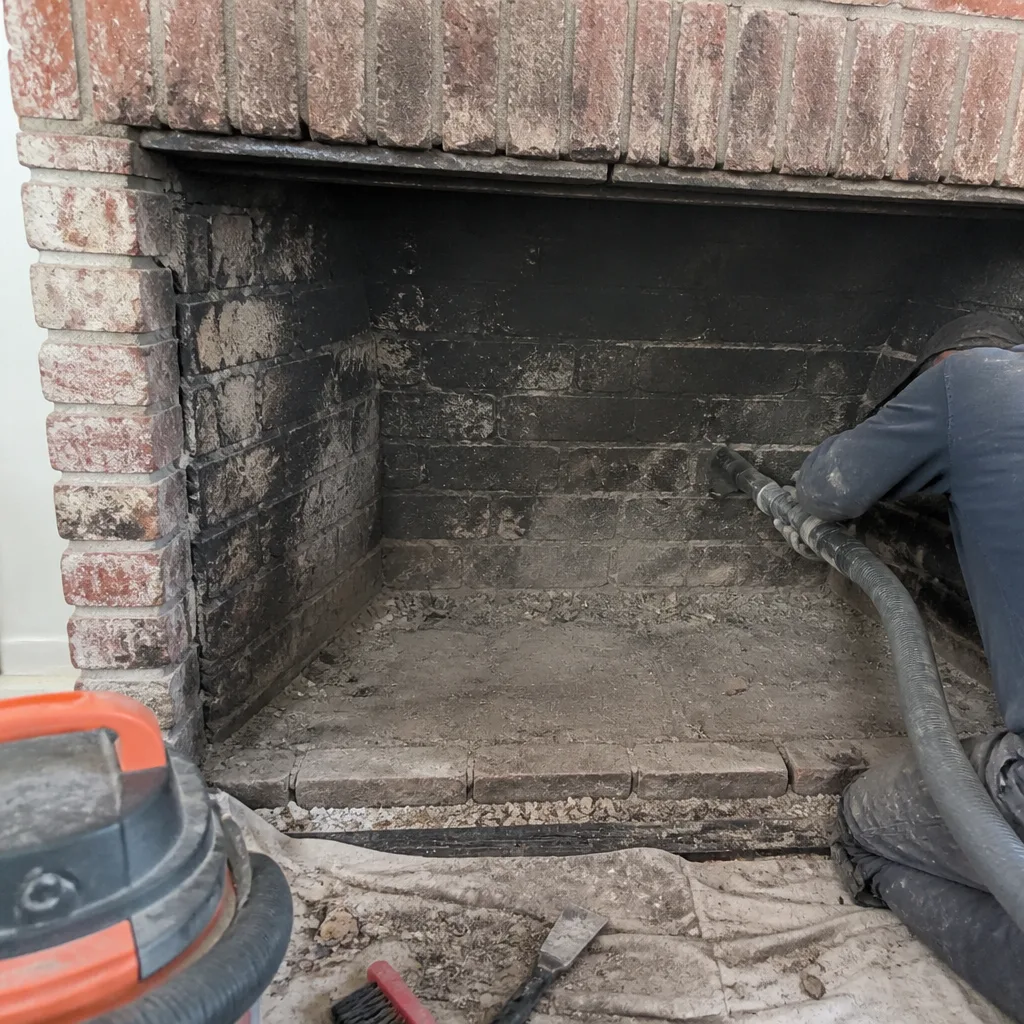
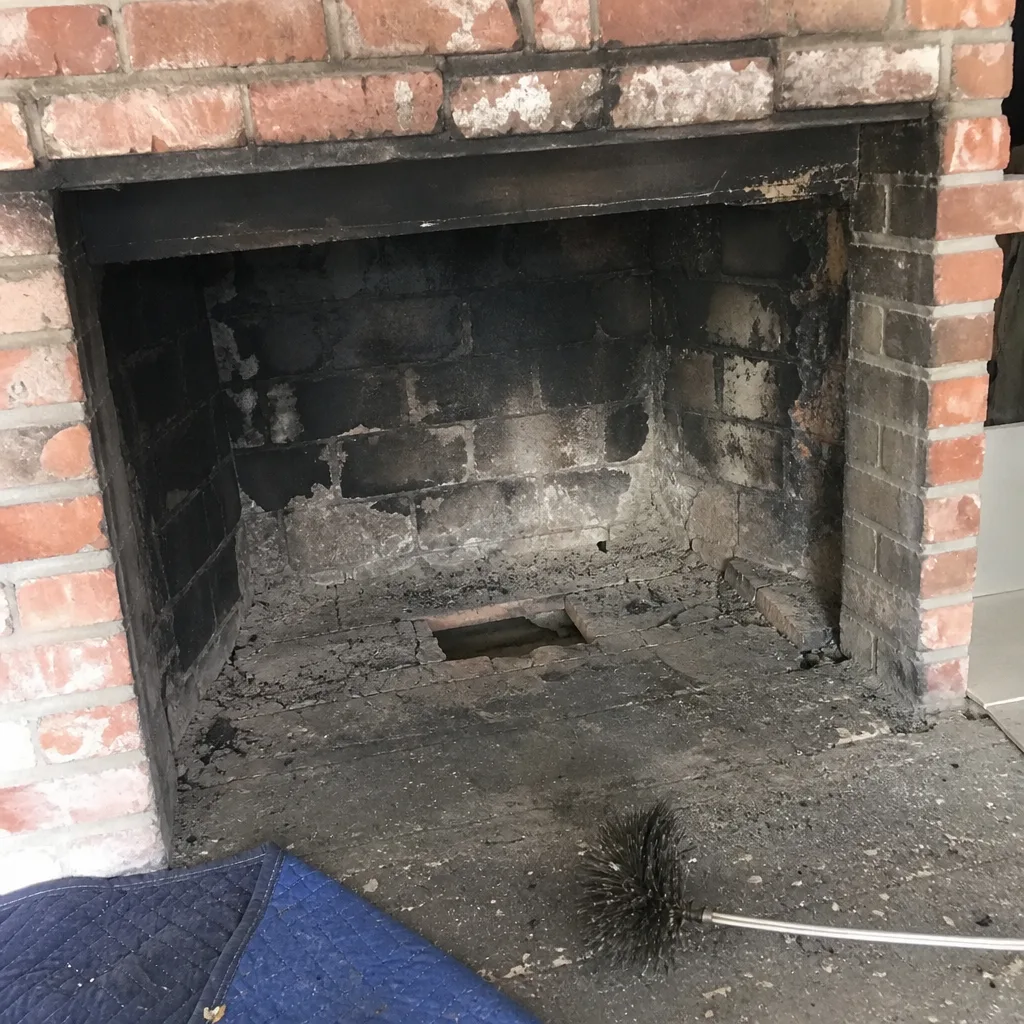 Before
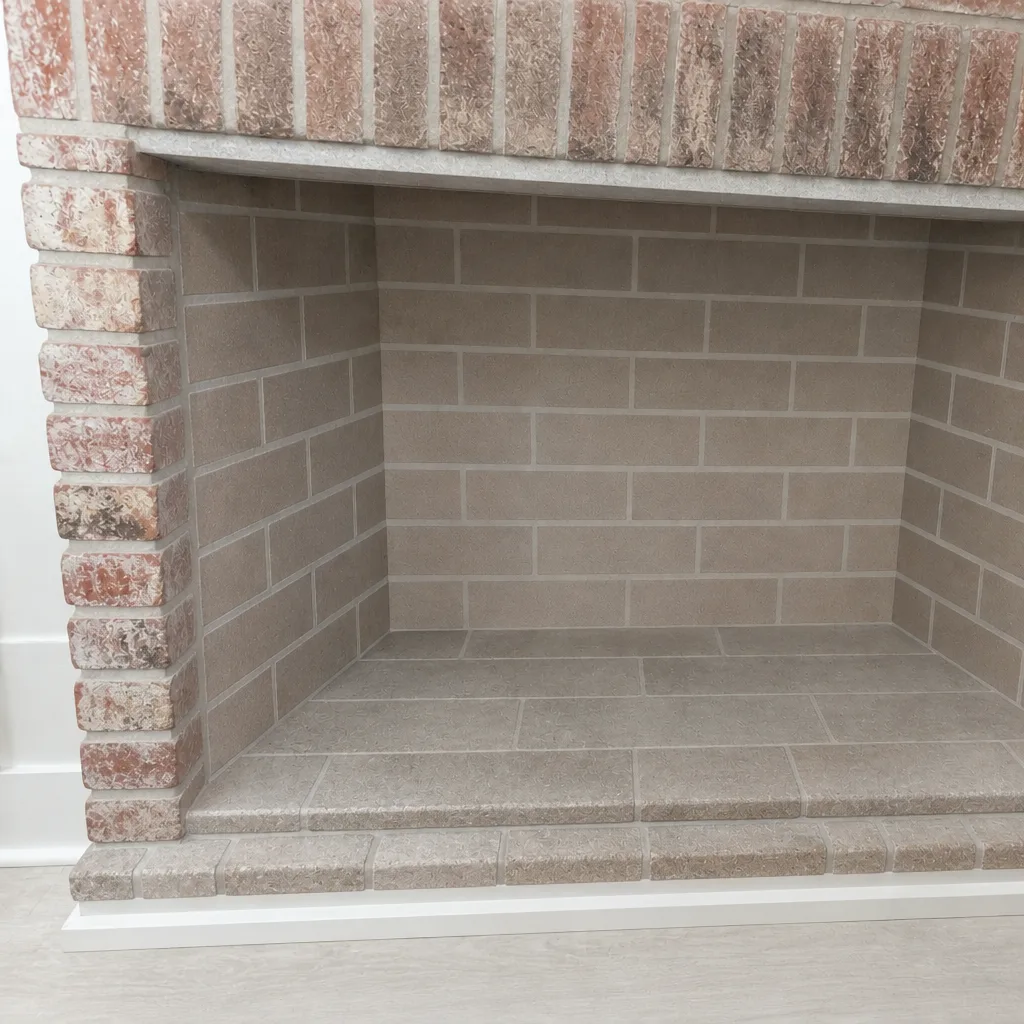
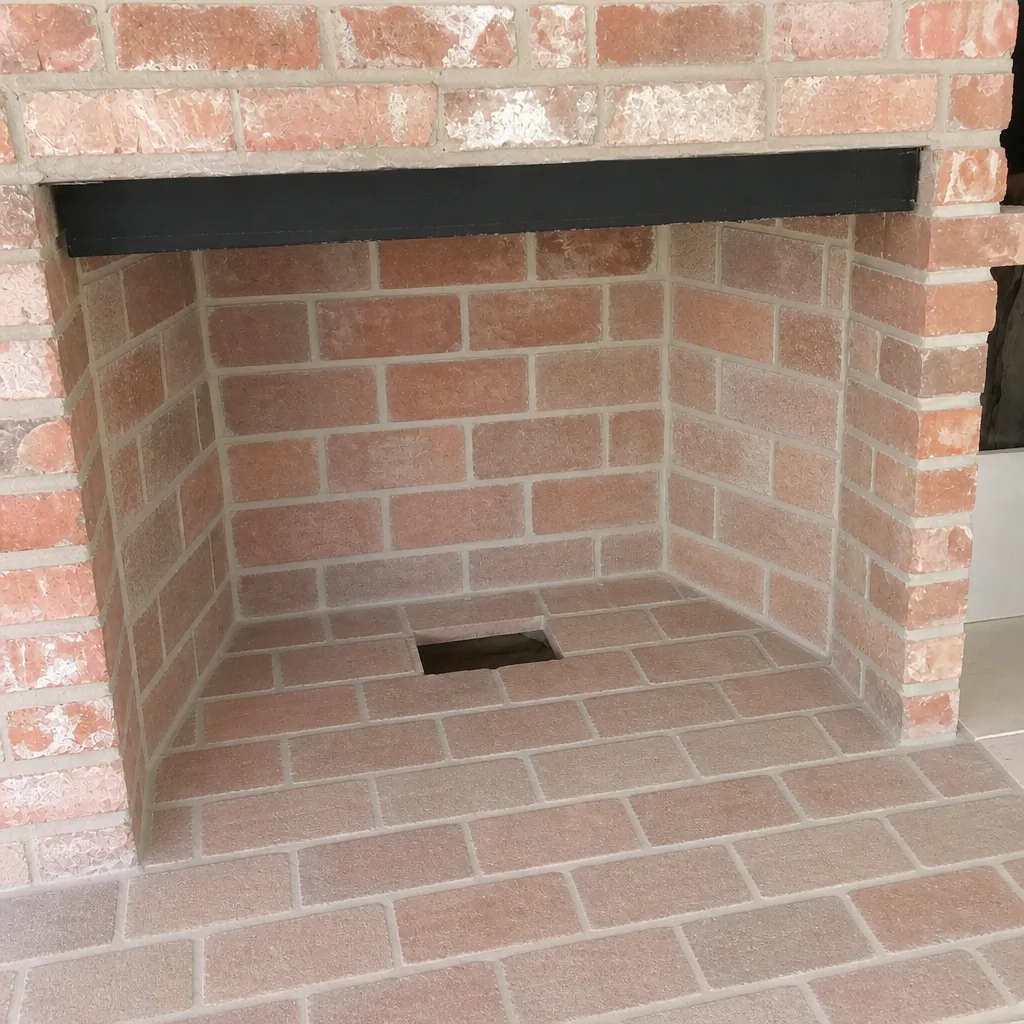 After
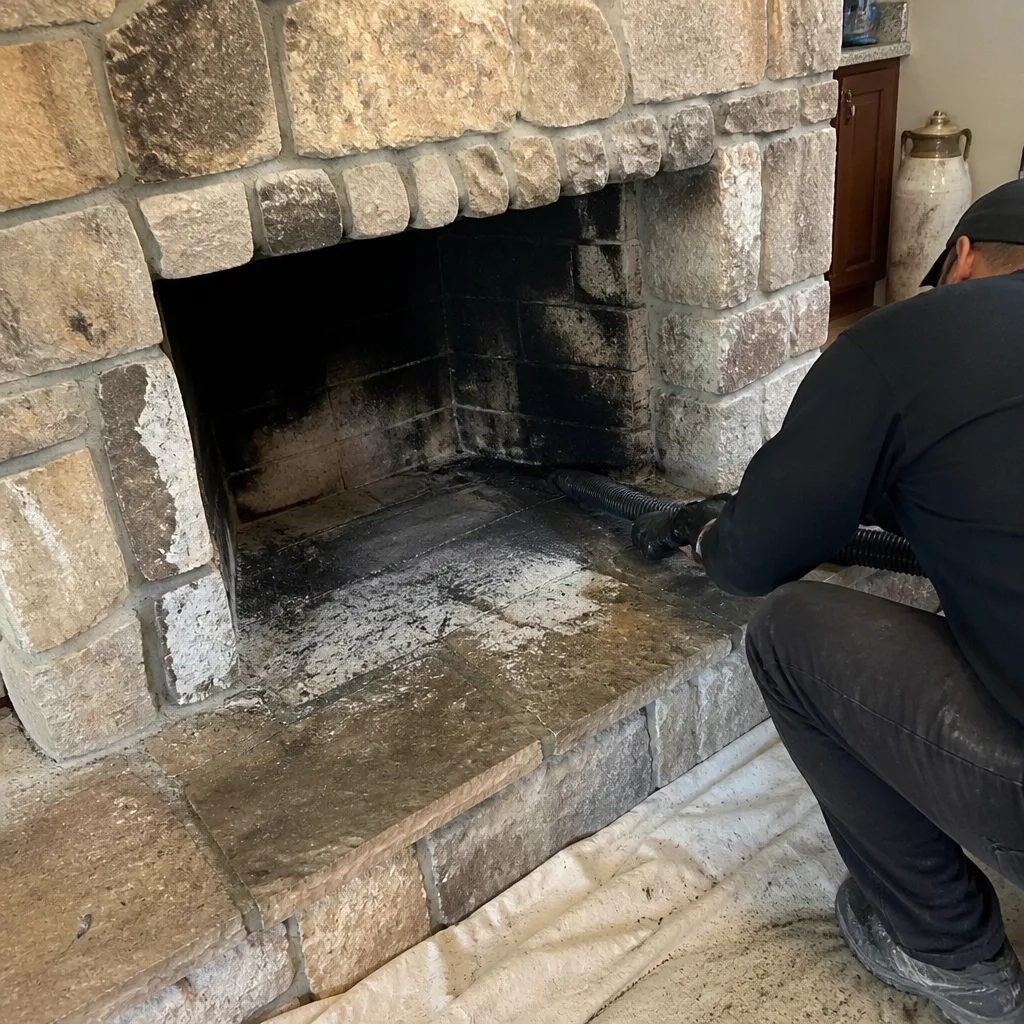 Before
 After
 Before
 After